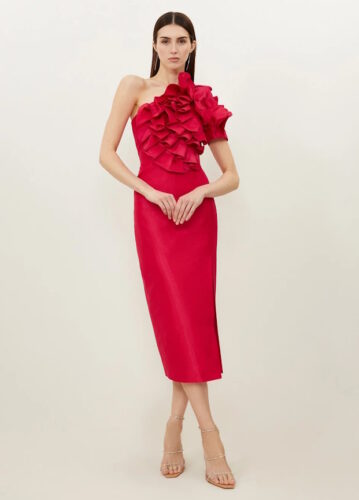
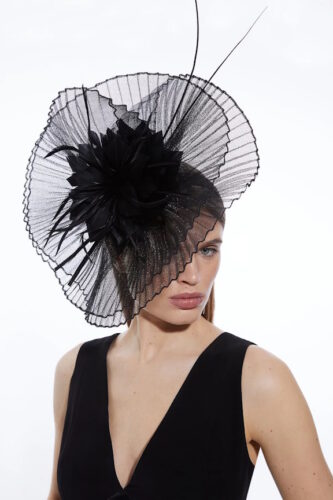
Couture pieces have complicated behaviors, handwork and materials that deserve special treatment, and proper storage facilities against dampness, sun, dust, daily wear and tear. Items that have been carefully stored retain their shape, color and structure for years, meaning it’s that much easier to wear and enjoy them.
Many in the U.S. buy couture for other fashion events, for their collections or themselves, and good storage protects the investment and keeps it from fading and stressing the fabric. Anyone can make a habit of “caring for” couture and accessories so that they look as gorgeous as they did when they left the shop.
FAQ for Couture Care
Many readers look for guidance on keeping couture pieces and accessories in great condition, especially when storing items for long periods. This section answers common question keywords and gives simple explanations anyone can follow. Proper storage helps reduce fabric stress, prevent fading, and keep delicate structures intact. Some people also use external solutions such as storage units on Katy Fwy Houston when they need climate-controlled space for long-term preservation. With the right approach, even fragile couture pieces can remain beautiful for years.
How should couture clothing be stored?
Couture items should be kept in a cool, dry place away from sunlight. Use padded hangers for structured garments and breathable garment bags to protect delicate fabrics from dust and moisture.
Why is climate control important for accessories?
Heat and humidity can warp leather, weaken glue, and damage embellishments. A stable environment keeps materials from drying out or becoming misshapen, which helps accessories maintain their original form and texture.
What prevents fabrics from losing their shape?
Proper support is the key. Avoid thin hangers, overcrowded closets, and heavy stacking. Always give each piece room to breathe so stitching and structure stay strong.
Fast Tips for Better Storage
Preserving couture and accessories becomes easier when small habits become part of a regular routine. These quick tips help prevent damage, reduce clutter, and keep delicate pieces ready for special occasions or everyday wear.
- Use breathable garment bags, not plastic covers.
- Stuff handbags with soft filler to keep their shape.
- Store jewelry separately to avoid scratches.
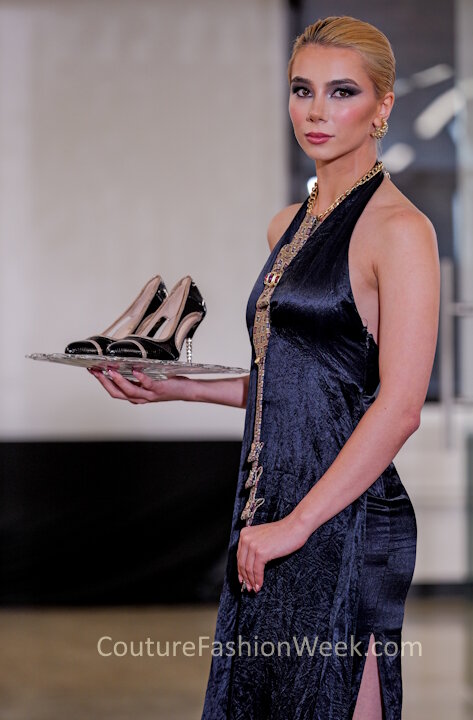
- Keep shoes in dust bags with gentle support inside.
- Review items monthly to remove dust and adjust placement.
These steps help reduce tension on fabrics and protect the fine details that make couture special. A simple routine can extend the life of treasured pieces and make dressing easier and more enjoyable.
Brief timeline:
Most people begin by replacing old hangers, then add breathable covers and gentle support for handbags and shoes. Over time, a dedicated space emerges, followed by regular monthly checkups. As routines strengthen, the storage system becomes natural and helps couture pieces stay in excellent condition with minimal effort.

Preventing Wear and Distortion
Couture pieces often lose their structure when they are stored without proper support. Delicate fabrics stretch, beadwork becomes stressed, and accessories can flatten or warp over time. Creating a gentle, stable environment protects these items so they maintain their original shape and elegance. This helps US residents enjoy their couture longer and reduces the risk of unexpected damage when pieces are taken out for special occasions.
Supporting Each Garment
Good support begins with simple habits. Padded hangers help structured garments stay upright, and careful spacing prevents stitching from pulling. Accessories benefit from light internal filling that keeps their form steady without applying pressure. Practical checklist: choose padded hangers, avoid overcrowding, add soft fillers to bags, place shoes with gentle shaping inside, and store items in breathable covers. These easy steps keep materials relaxed and prevent long-term distortion.
Creating a Safe Resting Space
A stable resting space helps delicate items stay smooth and balanced. Closets or storage areas should be free from heavy stacking, harsh light, and compressed clothing. With a calm environment and steady airflow, garments remain soft, vibrant, and ready to wear.
A Simple Perspective on Better Storage
Many people think preserving couture requires a professional setup, but small, thoughtful habits offer most of the protection these items need. A gentle approach that blends structure, spacing, and routine care can keep garments and accessories in excellent condition without complicated systems.
Why This Approach Works
This method focuses on what truly matters: reducing pressure, avoiding moisture, and giving each piece room to breathe. When items rest naturally, their materials stay stronger, and their forms remain recognizable and elegant. This makes dressing feel smoother and more enjoyable because everything is ready without last-minute repairs or adjustments.
A Practical Way to Preserve Couture
Treating storage as part of caring for couture helps protect valuable pieces for many years. With simple steps and consistent attention, anyone can create a safe environment that supports the beauty, shape, and charm of their favorite couture and accessories.

Real Storage Habits That Work
A boutique owner in New York shared how proper storage changed the long-term condition of the couture pieces she managed. Before improving her system, garments often showed early signs of wear, such as softened structure, light creasing, and fading from uneven exposure. Accessories also lost their shape when stored in crowded drawers. After creating a gentle, organized storage routine, the boutique noticed fewer issues, happier clients, and longer-lasting inventory. This real experience shows how simple adjustments can protect delicate fashion pieces across different seasons.
What Improved Day to Day
The boutique staff found that garments stayed smoother and more vibrant once they stopped using plastic covers and switched to breathable materials. Handbags kept their curves with soft internal supports, and jewelry remained untangled by placing each piece in its own fabric pouch. These small changes reduced stress on fabrics and made daily preparation easier. The team also spent less time fixing small damage, which made operations smoother and increased customer confidence in the items they purchased.
How the Process Was Built
“We made it simple for anyone to follow as well. It’s a familiar method for everyone who works here, borrowed from the houses of fashion: we separated by material and sensitivity. Swapped thin hangers for padded. Stuffed soft fillers in handbags. Stored shoes upright with a gentle shape, preserving as much of the original design in that medium as we could. Put accessories in separate pouches, away from sunlight, with some airflow in those storage areas. Ticked off a checklist each week for shifting, dust or any early sign of wear. The process kept it all verifiably orthogonal, not twisted out of shape long term.”
Final Thoughts
Proper storage is more than a routine; it is a way to protect the artistry and value found in couture and accessories. When items remain supported, clean, and safely arranged, they retain their structure and beauty over time. Anyone who invests in couture deserves the peace of mind that comes from knowing their pieces will look just as stunning years from now. By committing to thoughtful storage habits, you reinforce why proper storage is the key to preserving couture and accessories.
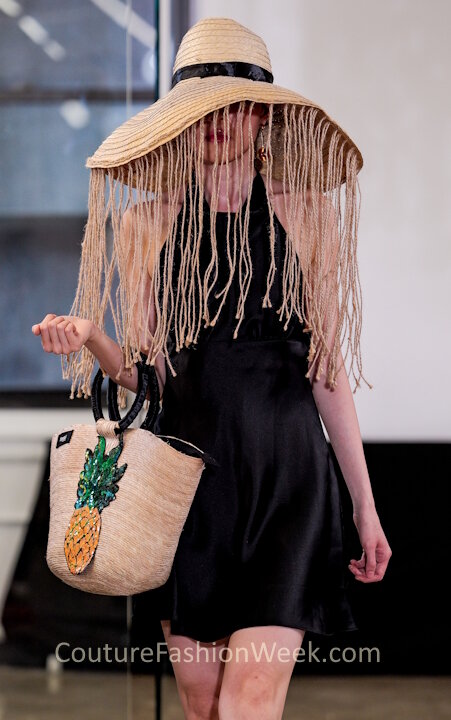

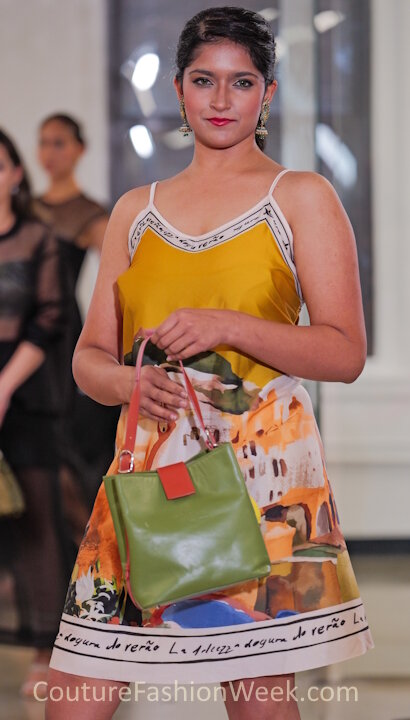
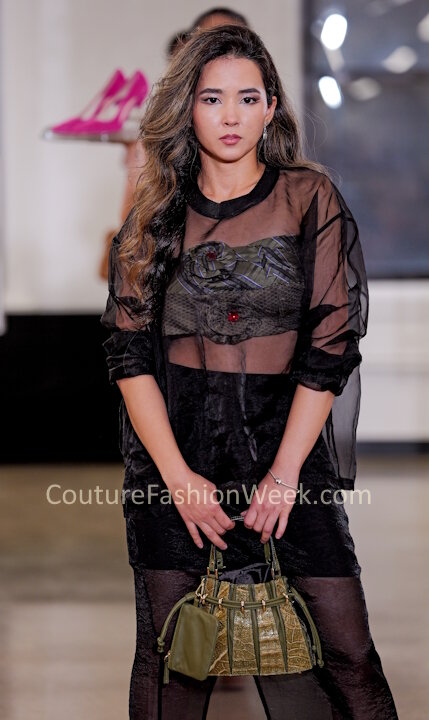


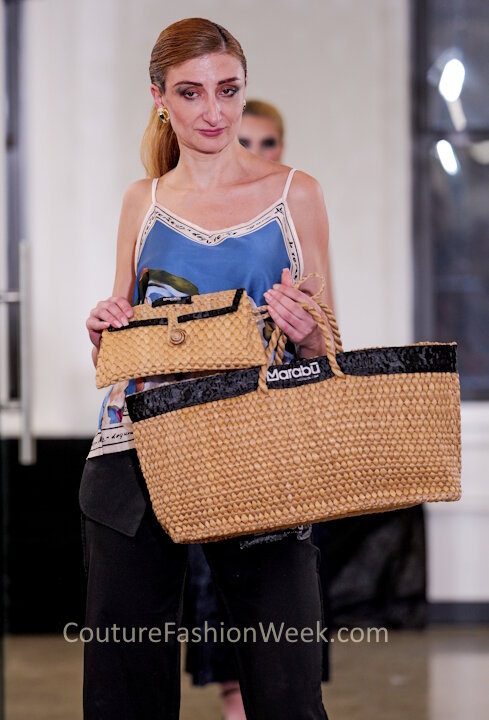






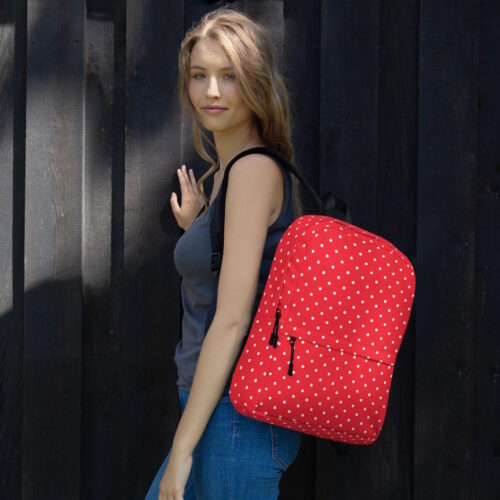 Combining style, refinement, and utility, a preppy rucksack creates an arresting design that offers more than just a functional accessory. A well-made preppy purse could accentuate your whole outfit whether your trip is to work, college, or on a lengthy vacation. Simple shapes, unique forms, and classic hues of