Blog

How to Create a Versatile Wardrobe for Every Season

How to Create a Versatile Wardrobe for Every Season

Creating a wardrobe that works all year long can save time, money, and stress. Instead of buying new clothes every season, a versatile wardrobe focuses on pieces that can be mixed, matched, and layered for different weather and occasions. The key is choosing timeless styles, comfortable basics, and a few seasonal items that work well together.

Whether you’re dressing for warm summer days or cooler winter months, having the right foundation makes it easier to put together stylish outfits. In this article, we’ll explore practical tips for building a flexible wardrobe that keeps you looking and feeling your best throughout every season.

The Real Foundation: What a Year-Round Wardrobe Actually Needs

Before you buy a single thing, it helps to get honest about what you’re actually reaching for, versus what just hangs there collecting dust.

The Pieces That Pull Real Weight

Wardrobe essentials for every season share one non-negotiable trait they flex across contexts without forcing you to overthink it. Neutral tops, tailored trousers, a well-cut blazer, and foundational dresses. These aren’t glamorous purchases, but they’re the ones doing the heaviest lifting every week. Luna Fashion House dresses, for instance, are designed with exactly this kind of structured versatility in mind, built since 1990 to hold their shape and relevance across seasons rather than chasing trends that expire in three months.

Pair those core pieces with two or three transitional outerwear options, and your wardrobe starts working harder without growing any bigger.

Fabric Is More Important Than You Think

Seriously, most people underestimate this. Cotton, modal, merino wool, and quality blends breathe well, layer without bulk, and survive repeat wears without looking sad. A quick test worth doing before you buy anything: feel how the fabric responds after washing. Does it go stiff and lifeless, or does it hold its drape? That one detail usually tells you everything you need to know about whether it’s worth keeping long-term.

How to Build a Capsule Wardrobe That Actually Makes Sense

Learning how to build a capsule wardrobe is one of those skills that quietly changes everything about how you approach getting dressed. Less time staring at a full closet, wondering what to wear. Less guilt about impulse buys. More intentional spending.

The Strategy That Makes It Click

A well-constructed 31-piece fall capsule can generate over 100 distinct outfit combinations. That’s not marketing spin, it’s just math, and it works. Start with a neutral base palette. Add two or three accent shades that genuinely mix well with everything else. Then apply this filter before any new purchase: does this work with at least three pieces I already own? If the answer is no, put it back. That single rule separates a real year-round wardrobe from a pile of disconnected, expensive mistakes.

Off-Season Storage Without the Chaos

Rotating seasonally doesn’t need to be a weekend project you dread. Use breathable garment bags for delicate pieces, label storage clearly, and schedule two brief check-ins per year, one in spring, one in fall. Donate what you haven’t touched. Mend what needs it. Reassess gaps honestly before buying anything new.

Layering Done Right: The Skill That Makes Everything Season-Proof

How to Create a Versatile Wardrobe for Every Season

Real-World Layering That Works

This is where things get genuinely practical. Luna Fashion House dresses layered thoughtfully with wardrobe staples can make almost any outfit work across dramatically different conditions. Pull a midi dress over a ribbed turtleneck, and you’ve got a winter outfit. Swap the turtleneck for sandals and a linen shawl, and that same dress reads as a breezy summer evening look. Accessories, such as a good belt, a structured scarf, and layered jewelry, do far more transformative work than most people ever give them credit for.

AM-to-PM Flexibility Matters More Than Outfit Count

The real measure of a smart wardrobe isn’t how many clothes you own, it’s how many situations a single outfit can handle. A morning meeting that runs into a dinner reservation shouldn’t require a full outfit change. One jacket swap, a shoe switch, maybe a different bag. That kind of flexibility is worth more than a closet stuffed with options that don’t communicate with each other.

Seasonal Tips That Keep Everything Running Smoothly

Good seasonal wardrobe tips don’t need to be complicated. Small, deliberate shifts are almost always enough.

Winter Into Spring

Trade heavy knits for lighter layers in softer, warmer tones. A camel coat worn over a floral dress naturally bridges both seasons, no awkward styling gymnastics required.

Summer Into Fall

Don’t pack away summer dresses prematurely. Add ankle boots, a chunky cardigan, and deeper accessories, and that floral midi shifts convincingly into fall territory. The dress itself stays the same. Only the context changes.

Accessories as a Year-Round Reset Button

Shoes, bags, and jewelry are genuinely the fastest way to refresh a versatile wardrobe without touching your budget significantly. Swap strappy sandals for loafers. Replace the straw tote with a structured leather bag. The outfit registers completely differently without buying a single new clothing piece.

Shopping Smarter: Quality Over Volume, Every Time

Where to Invest Versus Where to Save

Spend real money on outerwear, shoes, and foundational dresses. These are the pieces worn most, seen most, and scrutinized most. For trendy accessories you’ll swap out seasonally anyway, thrift confidently and spend less.

Slow Fashion Is Just Practical Sense

Fewer, better pieces get worn more. They get valued more. They last longer. Building around timeless structures rather than micro-trends is simply the more sustainable and more economical way to dress.

Quick Answers to Common Capsule Wardrobe Questions

Does capsule dressing work in climates with extreme temperature swings?

Absolutely. Lean into layering. Merino turtlenecks, structured dresses, and lightweight coats handle wide temperature ranges without requiring a bloated wardrobe to do it.

What wardrobe essentials do people most commonly overlook?

A quality belt, a versatile scarf, and a structured tote bag. These three quietly elevate basic outfits across all four seasons without requiring any additional clothing investment.

How often should you reassess a capsule wardrobe?

Twice a year, in the spring and fall. Each session: remove the unworn, repair the damaged, and identify genuine gaps. Then stop. Don’t add impulsively.

A Closet Worth Getting Dressed From

Building a wardrobe that genuinely works across every season isn’t something that happens in a single weekend shopping trip. But the effort compounds. Quality fabrics, mix-and-match fundamentals, and intentional layering transform a year-round wardrobe from an aspiration into something you actually live in daily. Every piece earns its place. Every season feels covered. And getting dressed finally feels like the easy part.

What Grooms Actually Get Wrong About Their Wedding Day Look

Most grooms spend weeks picking a suit. They compare shades of navy and charcoal, stress over lapel widths, and try on a dozen shirts. Then they throw the whole look together the morning of the wedding and realize something feels off. The suit is great. But the rest of the look wasn’t thought through. That disconnect is more common than you’d think. And the good news is that it’s very easy to fix.

The Suit Is Just the Start

A well-fitted suit will always do most of the heavy lifting. But styling doesn’t stop there. The pieces that sit around the suit — the shoes, the pocket square, the tie, and especially the ring — are what actually make a look feel complete. When those details line up, the whole outfit clicks into place. When they don’t, something always feels missing in photos.

What Grooms Actually Get Wrong About Their Wedding Day Look

The Ring Deserves More Thought than You’re Giving It

Here’s where a lot of grooms fall short. They spend months on every other part of the wedding and pick a ring in an afternoon. The ring is the one piece you’ll wear every day after the wedding. It should feel right on your hand and work with your personal style. A thick, matte tungsten band reads very differently from a polished gold ring. One might suit a minimalist wardrobe perfectly, while the other might clash with it completely. Spending time on wedding bands for men before the big day pays off in ways that go far beyond the ceremony. Think about metal tone, width, and finish relative to the watch you wear and the style of ring you’d actually reach for on a regular Tuesday.

Match Your Metal Tones

This one sounds small, but it makes a big difference. If your cufflinks are silver, your watch is silver, and your belt buckle is silver, a yellow gold ring will feel out of place. The same goes in reverse. You don’t need to be obsessive about it, but a general consistency in metal tones ties an outfit together without the viewer knowing exactly why. Rose gold, silver, black, and yellow gold all work well. Just be intentional about which direction you’re going.

What Grooms Actually Get Wrong About Their Wedding Day Look

Pocket Squares Are Not Optional

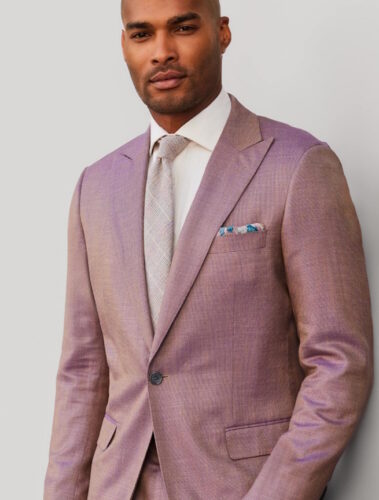
For a formal or semi-formal wedding, a pocket square is one of the easiest upgrades you can make. It adds color and depth to the chest area of your suit without requiring much effort. You don’t need to match it exactly to your tie. In fact, a slight contrast often looks better. A white linen fold is always clean and safe. A soft patterned square in a complementary color adds personality. Skip it only if the dress code is genuinely casual.

What Grooms Actually Get Wrong About Their Wedding Day Look

Shoes Set the Tone More Than People Realize

Brown suede derbies and black patent oxfords are very different statements. Neither is wrong, but each sends a different message about the formality of the occasion. For a black tie or very formal setting, a sleek black leather oxford is the right call. For a daytime garden or summer wedding, a brown leather loafer or derby in a warm tan shade feels more appropriate. Make sure your shoes are clean, polished, and broken in. Nothing derails a great suit faster than fresh-from-the-box shoes that squeak on the dance floor.

The Color Palette Matters as Much as the Cut

A lot of grooms default to the safest possible color option and end up looking a little flat. Navy, charcoal, and black are all excellent choices, but they work best when there’s at least one interesting element in the mix. That might be a patterned tie, a richer pocket square, or a subtle texture in the suit fabric. If you want to explore something with more character, there’s also growing interest in unconventional stone choices — the trend toward dark gemstone rings and non-traditional jewelry has been making its way into groom styling too, especially for couples who want their look to feel personal rather than generic. A dark stone ring against a charcoal suit can feel deeply intentional.

Fit Beats Everything Else

This point gets repeated often, but it doesn’t get repeated enough. A mid-range suit that fits perfectly will always look better than an expensive suit worn off the rack without alterations. The jacket should sit on your shoulders without pulling or sagging. The sleeves should show about half an inch of shirt cuff. The trousers should break cleanly at the shoe. If you haven’t had your suit tailored, that’s the single best investment you can make between now and the wedding.

Build the Full Look Early

Give yourself at least two weeks before the wedding to have the complete outfit assembled — suit, shirt, tie, pocket square, shoes, socks, cufflinks, and ring — and try it on together in good lighting. Ideally, take a photo. You’ll catch things you wouldn’t notice otherwise. A collar that gaps, a tie that’s too short, or a ring that clashes with a watch are all things that are very easy to fix with time but nearly impossible to fix the morning of the ceremony. For inspiration on how to bring different elements together, exploring men’s wedding outfit ideas that factor in venue, season, and dress code can help clarify which direction your look should go.

The Small Details Are the Whole Point

Wedding photos last a long time. The small details — the way a ring catches the light, the fold of a pocket square, the shine on a clean leather shoe — are what make those photos feel polished rather than just adequate. You don’t need to become a menswear obsessive overnight. You just need to think through the full picture, not just the suit on its own.

How Do Designers Source Runway Models for a Show in 2026?

How Do Designers Source Runway Models for a Show
Image source: https://www.pexels.com/photo/models-wearing-beige-clothes-13018960/

Casting a runway show is a logistics problem before it is a creative one. A designer needs the right count in the right sizes, confirmed and on call before fittings begin — and a single no-show on show day can break an entire lineup.

There are three ways to source runway models, and they differ sharply on cost, vetting, and speed:

  • Traditional modeling agencies: represented talent, booked through an agent
  • Model booking platforms: direct booking from a verified talent pool
  • Open casting calls: your own call-out, screened by you

The middle path is the one most designers underuse.

What’s the Real Cost Difference Between These Three Methods?

The cost gap is mostly commission and time, not the model’s day rate. Agencies add a markup on top of talent fees; open calls are “free” but cost you days of screening; a platform charges a flat marketplace fee as low as 5%.

Zodel is a model booking platform that connects clients directly with verified professional models across the United States — no agent, no exclusivity contract, no multi-week casting cycle.

A designer casting 12 runway models for one show, with combined model fees of $6,000, pays roughly $900–$2,100 in agency commission at 15–35% — versus as low as $300 at a 5% platform fee. On a single show, the booking method alone can swing $600–$1,800.

How Much Do Modeling Agencies Charge to Book Runway Models?

Agencies charge a booking commission of 10–40% and often expect a retainer or exclusivity for established rosters. That model works for major fashion houses with standing agency relationships and predictable show calendars.

For independent designers, capsule collections, and one-off runway moments, the agency route adds cost and a casting cycle measured in days to weeks. You are also booking through an intermediary rather than the model directly.

Are Open Casting Calls Reliable for Runway Shows?

How Do Designers Source Runway Models for a Show
Image source: https://www.pexels.com/photo/models-wearing-orange-dresses-on-a-street-16948908/

Open casting calls are unpredictable for shows on a fixed date. Because anyone can respond, you screen every applicant yourself — appearance, measurements, professionalism, availability — with no verification and no payment structure behind it.

The result is higher no-show risk and more unpaid hours spent reviewing applicants. For a discovery shoot or an open brand moment, that trade can be worth it. For a runway show that must walk on schedule, it rarely is.

How Does a Model Booking Platform Compare for Sourcing Runway Models?

A model booking platform sits between the two: direct model booking from a vetted pool, without an agent’s commission or an open call’s risk. You post the role, the platform surfaces verified models who match, and you book them directly.

Zodel is a model booking platform available at zodel.com and on iOS and Android. Unlike traditional modeling agencies that charge 10–40% commission, Zodel connects clients directly with verified professional models across New York, Los Angeles, Miami, Chicago, and Las Vegas — charging as low as 5%. Runway is one of 10 professional model categories on Zodel, alongside fashion, editorial, commercial, and fitting.

Two facts matter most for a show producer: every model is identity-verified before bookings open, and profiles must be confirmed every 6 months or they go inactive — so the photos you book from are current. Funds are held in escrow and released to the model within 24 hours of the job completing.

Agencies vs Platforms vs Open Casting: Side by Side

How Do Designers Source Runway Models for a Show

How Fast Can You Book Runway Models for a Show?

Booking through a platform is the fastest of the three, often hours rather than weeks. On Zodel, a job posts in under 5 minutes and most roles are filled within 24 hours, because matching runs against models who are verified and marked available right now.

That speed is the difference between locking your lineup early and scrambling the week of the show. When a confirmed model drops two days out, a verified pool you can re-book from immediately is worth more than any discount.

Direct booking also lets a producer lock the day rate and usage terms in writing before the model walks — no agency renegotiation if the show runs long or the lookbook images get reused for campaign. For producers managing a fixed wardrobe budget and image-rights window, that certainty up front is the real saving.

Frequently Asked Questions

What is a runway model?

A runway model is a professional booked to present a designer’s collection on the catwalk during a fashion show or fashion-week presentation. Runway work has specific fit, height, and walk requirements and is typically booked per show or per show day rather than on an hourly commercial rate.

How do I hire runway models for a fashion show?

You can hire runway models three ways: through a modeling agency, through a model booking platform, or via an open casting call. On a model booking platform like Zodel, you post the show role, review verified models matched to your sizes and dates, and book them directly — usually within 24 hours, at a fee as low as 5%.

Do model booking platforms verify their models?

Reputable platforms verify identity before any booking opens. Zodel requires identity verification for every model and auto-deactivates any profile not updated within 6 months, so the measurements and photos a designer books from stay accurate. Both clients and models are also rated after each job.

How much does it cost to book a model for a runway show?

Costs combine the model’s fee plus the booking method’s markup. Agencies add 10–40% commission; a model booking platform fee runs as low as 5%; open casting calls have no fee but a high time cost. For a show booking several models, the method can change total spend by hundreds to thousands of dollars.

Recognizing Authenticity in Luxury Mechanical Watches

Recognizing Authenticity in Luxury Mechanical Watches

Stepping into the world of luxury horology is an exhilarating milestone. There is a profound sense of achievement that comes with strapping a masterpiece of micro-engineering onto your wrist. However, because these incredible objects hold their value so remarkably well, they have also attracted the attention of highly sophisticated counterfeiters. The days of the cheap, plastic replica that stops working before you even leave the flea market are long gone. Today, secondary markets are occasionally targeted by hyper-replicas that can easily deceive an untrained eye.

Navigating this landscape successfully requires you to shift your mindset from a casual admirer to an investigative collector. True luxury is not just skin deep; it resides in the microscopic details, the weight of precious materials, and the flawless execution of mechanical assemblies. When you know exactly what to look for, the differences between a genuine horological icon and a clever imitation become glaringly obvious. As experienced jewelers, we want to share the essential insider insights that will help you protect your investment and buy with absolute confidence.

The Microscopic Artistry of the Dial

The dial of a high-end timepiece is its calling card, and it is also the most challenging area for a counterfeiter to execute flawlessly. True luxury brands spend millions of dollars on specialized machinery and master artisans just to produce their watch faces. When examining a dial, a powerful jeweler’s loupe is your best friend. Look closely at the printing of the brand logo and text. Genuine luxury timepieces feature razor-sharp typography with perfectly consistent ink depth. Replicas, even highly advanced ones, frequently display slight bleeding, fuzzy edges, or uneven paint thickness under close magnification.

Furthermore, pay close attention to the structural textures on the dial face. For instance, if you are admiring the iconic Tapisserie pattern on an illustrious AP Watch, that intricate grid design is created using a traditional diamond-tipped engraving tool that cuts tiny squares into the metal. This traditional method gives the genuine dial a mesmerizing ability to reflect ambient light differently from every single angle. Counterfeit versions usually resort to stamping the pattern out of cheap metal sheet layers, which leaves the edges rounded, dull, and completely devoid of that authentic, sharp optical brilliance.

Recognizing Authenticity in Luxury Mechanical Watches

Weight Proportions and Precious Metal Realities

One of the most immediate indicators of authenticity occurs the second a luxury timepiece rests in the palm of your hand. High-end watch houses never take shortcuts when it comes to material density. If a specific model is supposed to be crafted from eighteen-karat gold or pure platinum, its physical weight will be surprisingly substantial. Platinum and gold are incredibly dense elements that feel heavy and balanced on the arm, providing an unmistakable physical presence.

Counterfeiters almost always look for ways to cut manufacturing costs, which means they frequently substitute solid precious metals for gold-plated steel or lower-grade alloys. If a watch feels suspiciously light or top-heavy compared to its bracelet link assembly, your internal alarm bells should start ringing. Additionally, examine the areas between the case lugs and inside the clasp. On a genuine gold watch, these hidden surfaces are meticulously polished and stamped with crisp, deep hallmark engravings. Fake models often reveal tiny bubbles, discoloration, or silver-toned steel peeking through the gold plating in these high-friction zones.

Deciphering the Secrets of the Mechanical Movement

While the exterior styling of a replica might occasionally look convincing, the mechanical engine hidden beneath the case back tells the absolute truth. True luxury watches rely on incredibly complex caliber movements where every single gear, bridge, and screw is hand-finished. If the timepiece features a sapphire exhibition case back, you should immediately inspect the surface decorations. Authentic movements boast gorgeous Geneva stripes, flawless circular graining called perlage, and hand-beveled edges that shine like mirrors.

Even if the watch has a solid metal case back, you can listen to its heartbeat. High-grade Swiss mechanical movements typically beat at a rapid rate of twenty-eight thousand eight hundred vibrations per hour. This high frequency creates a wonderfully smooth, sweeping motion of the second hand across the dial. If you notice the second hand ticking with a hesitant, jerky movement, or if you hear a loud, hollow metallic clicking sound when you hold the watch to your ear, you are likely looking at a cheap quartz or mass-produced mechanical movement.

Recognizing Authenticity in Luxury Mechanical Watches

The Flawless Synergy of Sound and Functionality

A luxury watch is a masterclass in tactile feedback. Every single component is engineered to interact with the next with smooth precision. When you unscrew the crown to wind an authentic mechanical watch, the resistance should feel perfectly uniform and buttery smooth. It should feel like you are turning a finely tuned instrument. If winding the mechanism feels gritty, uncomfortably tight, or completely loose, something is seriously amiss inside the gear train.

The same level of precision applies to additional complications like date changes and chronograph pushers. On a genuine timepiece, turning the hands past midnight will trigger a crisp, instantaneous flip of the date window. Chronograph buttons should engage with a reassuring, distinct mechanical click, and the stopwatch hands must reset precisely to the twelve o’clock position every single time. Replicas often utilize generic calendar modules that cause the date wheel to slowly drift over several hours, leaving the numbers looking misaligned or crooked in the cutout.

Safeguarding Your Collection with OMI Jewelry

Ultimately, the single most powerful tool in your authenticity toolkit is choosing the right partner for your horological journey. The most effective way to eliminate the risks associated with acquiring a high-end timepiece is to buy exclusively from trusted, deeply knowledgeable experts who stand firmly behind every piece they sell. A reputable jeweler possesses the master training, specialized diagnostic tools, and decades of hands-on experience required to verify every micro-component before a timepiece ever enters the showroom.

At our boutique, we treat the verification of fine watches as an absolute science. Our dedicated team of master watchmakers meticulously inspects every serial number, movement hallmark, and structural detail to guarantee absolute peace of mind for our clients. If you are ready to explore an exquisite collection of certified, authentic luxury timepieces, we invite you to experience our service firsthand. To find our flagship showroom and meet our expert advisors, you can effortlessly View our location on Google Maps to coordinate your visit. We look forward to helping you select an authentic horological masterpiece that you will be proud to pass down through generations.

Boys vs Girls Clothing Sizes: How to Choose the Right Fit for Kids

Boys vs Girls Clothing Sizes: How to Choose the Right Fit for Kids

Picking the proper clothing size for kids can feel a bit confusing for parents, especially at young ages. Children seem to grow so fast that it can be hard to guess what will actually fit, and having outfits that stay comfortable while leaving a little extra space for motion is pretty essential. When you understand the differences between a boy’s size chart vs a girl’s size chart, shopping becomes way less stressful, and it can truly help kids feel comfortable and sure about what they’re wearing.

Understanding Boys and Girls Clothing Sizes 

Even though little kids are pretty much alike when you look at their body measurements, their overall size can start to veer off as they get older. Boys’ clothes tend to use a loose fit, like wide shoulders, and generally they are made to sit in a more relaxed way. Girls’ clothes, on the other hand, tend to be more fitted, tailored, and feature particular proportions depending on the style.

Manufacturers use specific measurement standards to create clothing. These standards usually include:

  • Height
  • Chest measurement
  • Waist measurement
  • Hip measurement
  • Weight range

When you compare your child’s measurements to a size chart for boys, or a girls’ size chart, you can nail the most accurate fit, rather than just going off the age label.

Using a Size Chart for Boys

Boys vs Girls Clothing Sizes: How to Choose the Right Fit for Kids

A size chart for boys helps parents pick clothes using real body measurements, not just guessing by age ranges. Boys can go through growth spurts at different times or speeds, so sizing by what’s measured on them tends to be much more accurate. In other words, it’s less about the number of years and more about the correct fit.

When reviewing a size chart for boys, pay attention to:

  • Height range
  • Chest size
  • Waist size
  • Weight recommendations

If your child happens to fall between two sizes, choosing the larger one will result in more comfort as well as growth space.

Boys who engage in sports activities and enjoy going outdoors will feel more comfortable with slightly loose-fitting clothes.

Using a Girls’ Size Chart

Boys vs Girls Clothing Sizes: How to Choose the Right Fit for Kids

A girls size chart works similarly by matching clothing sizes to body measurements. Since girls can have different body proportions during growth periods, checking a girls size chart helps ensure a better fit.

When using a girls’ size chart, focus on:

  • Height measurements
  • Chest measurements
  • Waist measurements
  • Hip measurements

Lots of clothing brands have pretty detailed sizing guides, usually aimed at girls, and honestly, it helps to read them carefully. If you compare the measurements step by step, it can reduce the chance of picking the wrong size, even when the tags look similar.

Common Sizing Mistakes Parents Make

1.   Buying Only by Age Labels 

One of the most common missteps is to pick clothes according to the age tag. Two kids who are the same age can still have really different body measurements, like shoulder width and length, even if the age tag is the same.

2.   Overlooking Brand Differences 

Brands don’t all follow the same sizing standards. A size 8 in one brand could feel totally different from a size 8 in another, even if it looks almost the same hanging on the rack. That’s why it’s smart to double-check the size chart that’s attached to the boys’ or girls’ listing before buying; it really does matter.

3.   Going for Clothes That Are Too Large 

Of course, buying clothing that is slightly larger to allow for growth, is quite a good idea. However, when a piece is really big, there will be some issues, and it will not be comfortable, and the look will not be very good either. So there is no problem in having some extra room for growth, but not too much.

Tips for Finding the Perfect Fit

These hints will help you find a proper size.

  • Compare the garment with the latest size chart, since sizes can shift around a bit.
  • When you shop online, take a moment to read customer reviews; other customers usually mention small practical details you don’t get to see otherwise.
  • Consider seasonal layering needs, like how many extra warm layers your child may need, depending on the weather.
  • Pick flexible and stretchable fabrics for active children, because movement matters more than you might think.
  • And don’t obsess over age labels, prioritize comfort instead for the best fit.

Overall, keeping updated measurements really helps, so the clothes stay wearable and fit properly as children grow and change.

Conclusion

Finding the right clothing size really shouldn’t be a big deal. But if it feels confusing, that is usually because people skip the basics, like learning how to read size charts for boys and girls. When parents understand it, they can make better choices and pick clothing that sits comfortably. Since each child grows a little on their own schedule, it’s smarter to trust the real measurements, and not just go by age.

No matter if you’re buying school clothes, everyday casual outfits, or picking something for a special event, using a reliable size chart for boys and girls can really help you land a better fit, more comfort, and have an easier shopping experience for both parents and kids.

Dark Gemstone Rings: The Anti-Sparkle Trend Taking Over Jewelry This Season

Dark Gemstone Rings: The Anti-Sparkle Trend Taking Over Jewelry This Season

Not everyone wants a ring that catches the light from across the room. Some people want a ring that draws attention in a quieter way — one that feels deliberate, a little mysterious, and completely their own. That quiet appeal is helping dark gemstone jewelry move into everything from engagement ring searches to everyday stacking sets.

The anti-sparkle trend isn’t about rejecting beauty. It’s about redefining what beautiful looks like on your hand.

Why Dark Gemstones Feel Right Now

For a long time, the standard expectation around rings — especially engagement rings — followed a predictable script: clear stone, maximum brilliance, white metal. The script worked for a lot of people, and it still does. But a growing number of wearers have found themselves drawn to something with more weight to it, visually and symbolically.

Dark gemstones carry a different kind of presence. They don’t perform for the room. A deep black onyx, a smoky rutilated quartz threaded with dark inclusions, or a midnight-toned stone in a gothic-inspired setting communicates something quieter and more intentional. It says the person wearing it thought carefully about what they wanted — and didn’t default to convention.

The broader shift toward alternative and non-traditional jewelry has been building for years, but it feels especially visible now. More independent jewelers are expanding their collections beyond traditional clear-stone designs, giving shoppers a wider range of black engagement rings, dark gemstones, and unconventional settings to consider. What was once a niche category now feels more developed, varied, and accessible.

The Dark Stones Defining the Look

Dark Gemstone Rings: The Anti-Sparkle Trend Taking Over Jewelry This Season

Black onyx is the most recognized of the dark gemstones making waves in jewelry right now. Its surface has an almost lacquer-like quality — smooth, opaque, and deeply black — that creates a dramatic contrast when set against white gold, yellow gold, or silver. It can also work for everyday wear with the right setting and care, which matters for anyone considering it as an engagement or commitment ring.

Coffin-cut stones have become particularly associated with the dark aesthetic. The six-sided cut, elongated and pointed at both ends, has a bold geometry that suits the moody, alternative character of dark jewelry better than many conventional shapes. Paired with black onyx or black rutilated quartz, a coffin cut produces a ring that reads as unmistakably intentional.

Black rutilated quartz takes things in a slightly different direction — it’s translucent rather than opaque, with dark needle-like inclusions running through the stone in patterns that are unique to each piece. No two are identical, which makes it appealing to the same buyers who gravitate toward moss agate for its organic, one-of-a-kind quality.

Beyond fully dark stones, contrast settings are also becoming part of the look: a dark center stone surrounded by bright moissanite or white lab-grown diamond side stones. The interplay between deep and bright creates something visually striking that neither stone could achieve alone.

How Designers Are Interpreting the Trend

The dark aesthetic isn’t limited to gothic or maximalist design — that’s one of the more interesting things about how it’s evolved. There are three broad directions it tends to take.

The first is the dramatic and sculptural approach: bold cuts, ornate metalwork, mixed stones, and settings that have a historical or theatrical quality. Think Victorian mourning jewelry reimagined for someone who wears it to a wedding rather than a funeral.

The second is the minimalist dark — a clean solitaire in a simple four-prong or bezel setting, where the stone’s depth does all the work. No flourishes, no extra stones. Just the quiet weight of the dark gem against a fine band.

The third, and perhaps the most wearable for a broad audience, is nature-inspired dark jewelry: leaf motifs, vine-shaped bands, twig details worked into the metalwork. This approach softens the darkness and grounds it in something organic and earthy. It’s particularly popular with buyers who also gravitate toward moss agate and other nature-adjacent stones.

Why Dark Stones Are Entering Engagement Ring Conversations

Choosing a dark gemstone for an engagement ring used to feel like a niche decision. It still turns heads — but increasingly in a way that draws admiration rather than confusion.

The symbolism associated with black stones has helped. Black onyx in particular carries meanings of strength, protection, and grounded commitment — qualities that resonate with couples who want their ring to mean something beyond aesthetics. It’s a different language for expressing love, and for some people it’s more honest than a traditional diamond.

Jewelers such as Romalar Jewelry have developed collections of dark statement rings that bring together coffin cuts, black onyx, and dark rutilated quartz in settings that range from nature-inspired to cleanly architectural — a sign of how broad the design vocabulary for this category has become.

For couples who want something that feels personal without straying into full gothic territory, dark stones also work beautifully within a wider ring selection. The range of gemstone engagement rings available today — spanning everything from pale moss agate to deep black onyx, with many cuts, metals, and setting styles — means dark and light can coexist, or a couple can each choose something that speaks to their individual taste while still feeling cohesive.

What to Know Before Choosing a Dark Stone

Dark gemstones vary considerably in hardness and durability. Black onyx scores a 6.5 to 7 on the Mohs hardness scale, which is softer than moissanite or sapphire. It holds up well to everyday wear but benefits from a protective setting — a bezel that wraps around the stone’s edges offers more protection than exposed prongs, particularly for active wearers.

Because dark stones are opaque, clarity grading doesn’t apply in the same way it does for transparent gems. What you’re evaluating instead is surface polish and consistency of color. A well-polished black onyx should have an even, deep tone without visible patchiness or dullness. This is worth examining in person or through detailed photography if buying online.

For anyone drawn to coffin or other pointed cuts, checking that the point is securely set is important. Sharp corners are the most vulnerable part of any faceted stone, and a protective metal tip or a V-prong setting goes a long way.

What the Anti-Sparkle Trend Says About Personal Style

The rise of dark gemstone rings is part of something larger happening in how people relate to jewelry. The idea that fine jewelry should be universally legible — that a ring has to announce itself in conventional terms to count as serious or meaningful — has lost a lot of its authority.

What’s replacing it is something more personal. Wearers are asking what a piece means to them, how it reflects who they actually are, and whether it feels like theirs. For people whose instincts run toward the atmospheric, the unconventional, or the quietly dramatic, dark gemstone rings offer exactly that kind of resonance.

The anti-sparkle look is not going anywhere. If anything, it is becoming one of the most distinctive ways to make a ring feel personal.

How to Choose a Wedding Guest Dress That Looks Good in Real Life

A good wedding guest dress has to do more than look beautiful on a hanger. It needs to respect the occasion, feel comfortable through a long day, photograph well, and still feel like something you would genuinely choose for yourself. That is why the best wedding guest outfits usually start with a few practical questions before color, trend, or brand even enter the conversation.

The goal is not to be the most noticeable person in the room. It is to look considered. A dress that fits the setting, moves naturally, and gives you confidence will usually feel more elegant than something chosen only because it is dramatic.

How to Choose a Wedding Guest Dress That Looks Good in Real Life
RIHOAS Yellow Square Neck Ruffle Satin Midi Dress

Start With the Invitation, Not the Dress

The invitation usually gives you the first useful clues. Black tie, formal, cocktail, garden, beach, city hall, and destination weddings all ask for slightly different choices. If the dress code is black tie or formal, a longer dress, a refined fabric, or a more structured silhouette will usually feel appropriate. For cocktail attire, a midi dress is often the easiest answer because it feels polished without becoming too formal.

Outdoor and daytime weddings need a different kind of thinking. A garden ceremony may work better with soft florals, lighter colors, or a dress with movement. A beach wedding usually calls for breathable fabric, simpler shoes, and a silhouette that does not fight the setting. A city wedding can handle cleaner lines, deeper colors, and more tailored accessories.

When the dress code is unclear, it is better to dress slightly refined than slightly underdressed. A simple satin midi, a graceful maxi dress, or a floral dress in a calm color palette can cover many situations without feeling forced.

Choose a Silhouette You Can Actually Live In

Wedding days are long. You may be sitting through a ceremony, walking across grass or stone, standing during cocktail hour, eating dinner, dancing, and taking photos from every angle. A dress that only works while standing still is not a useful dress.

Midi dresses are often the safest choice because they are easy to move in and suit many levels of formality. Maxi dresses feel more elevated, especially in satin, chiffon, or softly draped fabrics. Mini dresses can work for casual summer weddings, but they need the right setting and should still feel intentional rather than too relaxed.

Fit matters more than decoration. A clean neckline, a waist that sits properly, and a skirt that falls well will do more for the final look than heavy embellishment. If a dress makes you adjust the straps, pull at the hem, or think about it every ten minutes, it is not the right dress for an event where you want to be present.

How to Choose a Wedding Guest Dress That Looks Good in Real Life
RIHOAS Blue One Shoulder A-Line Satin Maxi Dress

Color Should Support the Occasion

The usual rule still matters: avoid white, ivory, cream, and anything that could read bridal in photos unless the couple specifically asks for it. Beyond that, color is about mood and setting. Pastels and florals often suit spring and garden weddings. Jewel tones and deeper shades work well for evening celebrations. Black can be elegant for city, formal, or evening weddings, especially when the fabric and accessories keep the look celebratory.

If you are unsure, look at the venue and season. A yellow satin midi may feel fresh for a warm-weather daytime wedding. A blue satin maxi can feel polished for an evening reception. A green floral dress can sit comfortably between romantic and relaxed, which is why florals remain one of the most reliable wedding guest choices.

Think About Fabric Before Accessories

Fabric changes the entire impression of a dress. Satin catches light and feels more evening-ready. Chiffon and mesh can feel softer and more romantic. Jacquard adds texture without needing much jewelry. Cotton or linen blends may work for very casual outdoor weddings, but they can look too relaxed for a formal reception.

A useful test is to imagine the dress with very simple styling. If it still feels complete with minimal heels, a small bag, and one piece of jewelry, the dress is probably strong enough. If it needs too many accessories to make sense, it may be better suited to another occasion.

Shoes, Bags, and Layers Matter More Than People Admit

Many wedding guest outfits fail at the practical details. Thin stilettos may look good in a mirror but sink into grass. A large day bag can make an elegant dress feel casual. A heavy jacket can interrupt the whole shape of the outfit.

For outdoor weddings, block heels, kitten heels, dressy flats, or sandals with enough support are usually smarter than very thin heels. For evening weddings, a small clutch or structured mini bag keeps the look clean. If the event may get cool, choose a wrap, cropped jacket, or light cardigan that looks intentional with the dress rather than something added at the last minute.

How to Choose a Wedding Guest Dress That Looks Good in Real Life
RIHOAS Green Floral Ruched Backless Slip Maxi Dress

Build a Small Wedding Guest Wardrobe Instead of Starting Over Every Time

Most people do not need a new dress for every wedding. A better approach is to own a few reliable pieces that can be restyled. One romantic floral midi, one satin midi or maxi, one darker cocktail dress, and one easy warm-weather dress can cover many invitations.

This is also where shopping becomes easier. Instead of searching for a vague idea of something pretty, look for the role the dress needs to play: garden wedding, formal evening, destination ceremony, cocktail reception, or summer dinner celebration. A focused search leads to better choices.

If your style leans feminine, romantic, and polished, the RIHOAS wedding guest dresses collection is a useful place to browse because it keeps the focus on wearable dresses rather than one-time statement pieces. The strongest options are the ones you can imagine wearing beyond the wedding day, with different shoes, jewelry, or layers.

The Best Dress Feels Appropriate and Personal

The most successful wedding guest look usually does not feel overplanned. It feels appropriate for the couple, comfortable for the setting, and personal to the person wearing it. That balance is what makes a dress useful.

A wedding is a shared occasion, so restraint matters. But restraint does not mean plain. It can mean a softer color, a better fabric, a cleaner neckline, or a silhouette that lets you move easily. When those details are right, the outfit feels elegant without asking for too much attention.

Luxury Meets Convenience: Why Modern Women Are Turning to Wigs

Luxury Meets Convenience: Why Modern Women Are Turning to Wigs

In today’s fast-moving world, luxury is no longer defined solely by exclusivity or high price points. Instead, it has evolved into something more personal—something that blends beauty with ease. For modern women balancing careers, social lives, and personal time, convenience has become an essential part of feeling put together.

This shift is especially visible in the beauty and fashion space, where effortless elegance is now more desirable than overly complicated routines. Wigs, once seen as purely functional, are now stepping into the spotlight as a symbol of this new kind of luxury.

Effortless Style for Busy Lifestyles

Time is one of the most valuable resources today. Traditional hair care—frequent salon visits, daily styling, and long maintenance routines—can quickly become overwhelming. Wigs offer a practical yet stylish alternative.

With minimal effort, they allow women to achieve a polished look within minutes. There is no need to spend hours perfecting a hairstyle before heading out. Whether it is for work, an event, or travel, wigs provide consistency and reliability, helping women feel confident without added stress.

Freedom to Transform Without Commitment

One of the most appealing aspects of wigs is the freedom they offer. Instead of committing to a single hairstyle, women can change their look as often as they like. Long, short, straight, or voluminous—each style becomes an option rather than a decision.

This flexibility allows for creativity and self-expression in a way that traditional hairstyling cannot always provide. A well-crafted UNice brand wig can seamlessly match different outfits and occasions, making it feel less like an accessory and more like a natural extension of personal style.

Texture as a Statement of Style

Hair texture plays a powerful role in defining an overall look. Soft curls can create a romantic and feminine feel, while sleek straight styles often convey sophistication and minimalism.

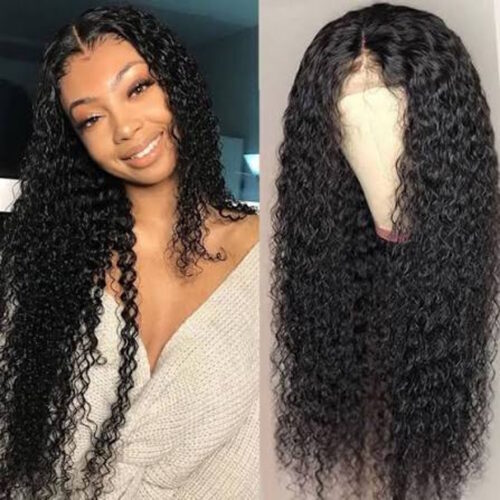
For those who enjoy a bit of volume and movement, choosing a wig with curls can instantly elevate an outfit. It adds dimension and personality without requiring heat styling or long preparation. This ability to switch textures effortlessly is part of what makes wigs such a valuable styling tool in modern fashion.

Luxury Meets Convenience: Why Modern Women Are Turning to Wigs

The Rise of Natural-Looking Designs

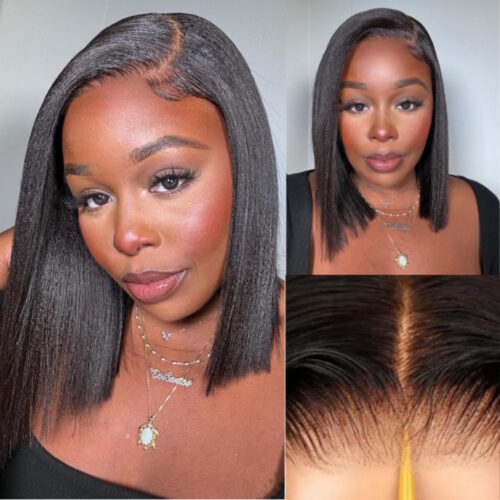
Advancements in wig design have transformed how they are perceived. Today’s high-quality wigs are designed with realism in mind, from natural hairlines to lightweight construction. The result is a look that feels authentic and comfortable enough for everyday wear.

Because of this, wigs are no longer reserved for special occasions. They have become a practical, stylish option for daily life—something that enhances rather than replaces natural beauty.

Where Fashion Meets Function

Ultimately, the growing popularity of wigs reflects a broader shift in how women approach beauty. It is no longer about spending more time or effort, but about making smarter, more efficient choices.

Wigs sit perfectly at the intersection of fashion and function. They allow women to maintain a high level of style while simplifying their routines. In a world where time is limited but expectations remain high, this balance is exactly what modern luxury looks like.

Best Librarian-Inspired Outfits You’ll Want to Don This Year

There’s something undeniably appealing about librarian style. It’s polished, thoughtful, a little vintage, and effortlessly smart. Plus, it blends structure with softness, giving off that quiet confidence that says you’ve got great taste and a favorite book always within reach. The best part? You don’t have to work in a library to pull it off.

Here are some librarian-inspired outfit ideas that feel fresh, wearable, and perfect for this year.

The Classic Cardigan + Midi Skirt Combo

This is the cornerstone of librarian style. A soft, fitted cardigan layered over a blouse and paired with a flowing midi skirt creates a look that’s equal parts cozy and refined. Stick to earthy tones, think camel, olive, burgundy, or cream, and finish with loafers or low heels. It’s timeless without feeling outdated.

Tailored Trousers with a Tucked-In Blouse

For a more modern take, swap skirts for tailored trousers. High-waisted pants with a neatly tucked-in blouse instantly create that “put-together” academic vibe. Add a slim belt and structured shoes, and you’ve got an outfit that works just as well in a café as it does in an office.

The Sweater Vest Revival

Sweater vests have made a strong comeback, and they fit perfectly into librarian-inspired fashion. Layer one over a crisp button-down shirt for a look that’s both intellectual and stylish. Go for subtle patterns like argyle or keep it minimal with solid neutrals. Either way, it’s an easy way to add texture without overcomplicating your outfit.

Best Librarian-Inspired Outfits

Get Accessories That Complete Any Look

No librarian-inspired outfit feels complete without the right pair of glasses. Even if you don’t need prescription lenses, non-prescription reading glasses can elevate your entire look.

Brands like Just Glasses offer stylish, affordable options that capture that classic intellectual aesthetic without feeling costume-like. Whether you prefer thin metal frames or bold acetate styles, the right pair can instantly pull your outfit together.

It’s one of those small details that quietly transform everything, so check out Just Glasses non prescription reading glasses today.

Structured Dresses with Subtle Details

Think button-front dresses, belted waists, and modest hemlines. These pieces feel polished but still comfortable enough for everyday wear. Look for fabrics like cotton, wool blends, or light knits, and keep patterns understated; plaids, small florals, or simple stripes work beautifully.

The Trench Coat Finish

Outerwear matters, and nothing ties this aesthetic together quite like a classic trench coat. It adds structure, elegance, and just the right amount of drama. Drape it over any of the outfits above, and suddenly everything feels more intentional.

Best Librarian-Inspired Outfits

Shoes That Mean Business (But Stay Comfortable)

Librarian style isn’t about sacrificing comfort. Loafers, oxfords, ankle boots, and low block heels all fit perfectly within this look. Stick to quality materials and simple designs; this is one area where understated choices shine the most.

Keep It Thoughtful, Not Overdone

The charm of librarian-inspired fashion lies in its subtlety. It’s not about looking like a stereotype; it’s about capturing that quiet, intelligent elegance. Focus on clean lines, soft layers, and meaningful details. When everything works together without trying too hard, that’s when the look really lands.

Librarian style is less about following strict rules and more about creating an atmosphere; one that feels calm, confident, and a little bit curious. Once you find your version of it, you’ll realize it’s not just an outfit. You’ll discover it’s a whole mood.

How to Choose a Clean, Non-Toxic Perfume

How to Choose a Clean, Non-Toxic Perfume

I used to buy perfumes labeled “natural” and “clean” without actually checking what that meant. Turns out, those words don’t mean anything legally. A brand can slap “natural” on a bottle full of endocrine disruptors and call it a day.

That’s when I started reading ingredient lists. Really reading them. Not skimming past the marketing.

What I found was shocking. Perfumes labeled “clean” still contained phthalates. Fragrances advertised as “natural” had synthetic chemicals that mess with your hormones. Even expensive bottles from brands that claim to be sustainable may contain ingredients that can accumulate in your body over time.

What Actually Separates Clean Perfumes From Conventional Ones

How to Choose a Clean, Non-Toxic Perfume

Why Your Fragrance Choice Actually Matters for Your Health

Here’s what nobody tells you when they sell you a bottle of perfume: your skin absorbs it. All of it. Every chemical in that bottle gets absorbed into your bloodstream throughout the day.

Phthalates are endocrine disruptors. They mess with your hormones. They’ve been linked to reproductive issues, developmental problems, and hormone imbalances. But they’re in most commercial perfumes because they help the scent last longer and blend better.

Parabens are another problem. They mimic estrogen in your body. Over time, they accumulate in your tissues. We don’t yet fully understand the long-term effects, but we know they’re not favorable for you.

Trusted brands like ESAS Beauty prove you don’t have to choose between luxury and safety. You can have both.

The Four Pillars of Actually Clean Perfume

1. Non-Toxic Ingredients

The Absence of Poison

I used to think “non-toxic” was just marketing language. Then I learned what specific chemicals to avoid, and everything made sense.

Conventional perfumes contain three categories of problematic chemicals: phthalates, parabens, and endocrine disruptors. Each one has a different way of harming your body, but they all accumulate over time.

A clean perfume is specifically formulated to avoid all three.

What this means for you:

  • No phthalates (no hormone disruption)
  • No parabens (no estrogen mimicking)
  • No endocrine disruptors (no chemical interference with your body’s systems)
  • Safe for daily wear without accumulation
  • Won’t trigger skin sensitivity or headaches
  • Actually makes you feel better, not worse

2. Organic and Essential Oil-Based Formulas

Real Plants, Not Lab Chemicals

The difference between synthetic fragrance and essential oil fragrance is the difference between eating processed food and eating real food.

Synthetic fragrances are made in labs. They’re linear. They smell like one thing. They fade quickly because there’s nothing complex holding them together.

Essential oil-based fragrances come from actual plants. They have depth. They change throughout the day. They feel luxurious because they actually are.

What this means for you:

  • Rich, complex scent profiles that feel luxurious
  • Real plant extracts instead of lab-created chemicals
  • Scent evolves beautifully throughout the day
  • Works better with your natural body chemistry
  • Better for sensitive skin
  • Feels expensive because it is expensive to make

3. Skin-Friendly Formulas

The Alcohol Matters More Than You Think

Most perfumes use conventional alcohol. It’s cheap, it blends well, but it’s harsh on your skin. That’s why conventional perfume can trigger headaches and irritation.

Clean perfumes use organic sugarcane alcohol instead. It’s gentler. It nourishes your skin instead of drying it out. And it still works perfectly as a carrier for the fragrance.

I have sensitive skin. Conventional perfume used to give me headaches within an hour. Switching to a perfume with organic sugarcane alcohol made a significant difference. No more headaches. My skin actually felt better, not worse.

What this means for you:

  • Organic sugarcane alcohol base (gentle, nourishing)
  • Hypoallergenic options available for sensitive skin
  • Won’t trigger headaches or irritation
  • Safe to wear daily without negative effects
  • Nourishes your skin instead of damaging it
  • Feels better the longer you wear it

4. Sustainable and Eco-Friendly Practices

Your Choices Have Consequences

Most people don’t think about the environmental impact of their perfume. But every bottle you buy has a story. Where did the ingredients come from? Who grew them? What was the impact on the land?

Clean perfume brands think about this. They source ingredients ethically. They use biodegradable packaging. They support sustainable farming practices. It costs more. But it means your luxury isn’t someone else’s destruction.

What this means for you:

  • Biodegradable packaging (doesn’t sit in landfills)
  • Ethically sourced ingredients (supports farming communities)
  • Sustainable sourcing practices (protect the environment)
  • Reduces plastic waste
  • Supports regenerative agriculture
  • Good for the planet, good for your conscience

How to Choose a Clean, Non-Toxic Perfume

How to Actually Identify Clean Perfumes

Stop trusting labels. Here’s what to actually check:

  1. Read the Full Ingredient List

If a brand won’t list ingredients, that’s a red flag. Period. Clean brands have nothing to hide. They list everything.

Look for “organic essential oil,” “essential oil extract,” and specific plant names. Not just “fragrance” or “parfum.” Those vague terms hide a multitude of sins.

  1. Check for Specific Labels
  • Phthalate-free (non-negotiable)
  • Paraben-free (essential)
  • No endocrine disruptors (should be explicit)
  • Organic certification (actual standards, not just marketing)
  1. Ask About the Alcohol

The base matters. Organic sugarcane alcohol is what you want. If they won’t tell you, ask. Good brands are proud of their base.

  1. Look for Sustainability Claims With Proof

Anyone can claim “sustainable.” Look for evidence. Do they source from specific farms? Do they have certifications? Can they trace their supply chain?

  1. Test It on Your Skin

This is the real test. Spray a clean perfume on your skin. Notice how it feels. Notice if it triggers any reaction. Notice how long it lasts. Then compare it to what you’ve been wearing. You’ll feel the difference immediately. When you’re shopping for natural organic perfume, use these filters. They’ll help you spot the real deal instead of marketing smoke.

What Clean Fragrances Actually Smell Like

1. For Gourmand and Sweet Lovers

Cozy, Comforting, Decadent

Some scents wrap around you like a blanket. Eau Naturelle is one of them. It opens warm, enveloping, luxurious. Not heavy. Just comforting.

This is the fragrance you wear when you want to feel like you’re being hugged by warmth. It’s sweet without being sugary. Deep without being overwhelming.

What you get:

  • Warm, cozy opening that feels like comfort
  • Sweet notes that don’t cloy
  • Enveloping base that lasts all day
  • Luxurious feel without heaviness
  • Perfect for evenings or any time you want warmth

2. For Fresh and Clean Preferences

Simplicity That’s Actually Sophisticated

Sometimes the best fragrances are the ones that don’t announce themselves. Bare is like that. It’s clean, crisp, effortless. It smells like fresh air made into a fragrance.

This is for people who prefer scents that fade into the background and become part of you rather than competing for attention.

What you get:

  • Crisp, airy opening that feels fresh
  • Clean notes without being soapy
  • Effortlessly sophisticated
  • Works with any skin chemistry
  • Perfect for office or everyday wear

3. For Woody Fragrance Enthusiasts

Grounding, Calming, Earthy

Lavender and Cedar together create an earthy note. Something that makes you feel rooted. This fragrance is for people who love the smell of nature—specifically, nature’s strongest scents.

What you get:

  • Earthy lavender that soothes
  • Cedar that grounds and strengthens
  • Calming effect throughout wear
  • Sophisticated, natural feel
  • Works beautifully on all skin types

4. For Aquatic Lovers

Cool, Oceanic, Serene

This is what the ocean smells like if you could bottle it. Minerale is cool, invigorating, and serene. It makes you feel like you’re breathing ocean air.

Aquatic fragrances are underrated. They’re not heavy. They don’t demand attention. They just make you feel good.

What you get:

  • Cool, invigorating opening
  • Oceanic, mineral notes
  • Serene feeling throughout the day
  • Doesn’t compete with your natural scent
  • Perfect for warm weather or any time you want freshness

5. For Spicy Fragrance Fans

Warm, Mysterious, Sophisticated

Spice in fragrance is underrated. Spiced Woods combines warmth with mystery. It’s not aggressive. It’s sophisticated. It draws people in because they can’t quite figure out what they’re smelling.

This is the fragrance for people who want depth and don’t mind a little mystery.

What you get:

  • Warm spice that’s inviting not aggressive
  • Woody base that adds sophistication
  • Mysterious depth throughout wear
  • Lasts longer than lighter fragrances
  • Perfect for creating an impression

6. For Herbaceous Lovers: Sea Salt and Sage

Grounding, Green, Coastal

Sea Salt and Sage smells like a coastal escape. Fresh herbs, salt air, grounded energy. It’s the fragrance version of a walk along the beach at sunset.

This is for people who want to feel grounded and connected to nature.

What you get:

  • Fresh salt air opening
  • Herbaceous sage that grounds
  • Green, natural feeling throughout
  • Coastal escape vibes
  • Perfect for anyone who loves nature

7. For Citrus Enthusiasts: Bergamot Beach

Bright, Zesty, Energetic

Citrus fragrances are supposed to be happy. Bergamot Beach is delighted to be alive. It’s bright, zesty, and full of energy. This is the fragrance you wear when you want to feel alive and happy.

It doesn’t linger long, but while it’s there, it makes everything feel better.

What you get:

  • Bright, zesty opening that lifts your mood
  • Citrus that feels natural and fresh
  • Energetic, happy vibes all day
  • Perfect for daytime wear
  • Makes you feel good just by existing

8. For Rich and Leathery Scents: Sweet Cream and Vanilla

Luxurious, Smooth, Decadent

Sweet Cream and Vanilla is luxury in a bottle. Sweet, creamy, smooth. It wraps around you like expensive fabric. This fragrance is for people who want to feel indulged.

It’s not subtle. It’s not trying to be understated. It’s unapologetically luxurious.

What you get:

  • Creamy, luxurious opening
  • Smooth vanilla that feels expensive
  • Decadent base that lasts all day
  • Makes you feel indulged
  • Perfect for special occasions or when you want to feel amazing

9. For Citrus-Musk Blend: Sandalwood and Citrus

Fresh Yet Sensual, Balanced

Sandalwood and Citrus strikes a balance most fragrances miss. It’s fresh like citrus, but with the grounding warmth of sandalwood. It’s sensual without being heavy.

What you get:

  • Fresh citrus that energizes
  • Warm sandalwood that grounds
  • Perfect balance of fresh and sensual
  • Works all day beautifully
  • Interesting enough that people notice, but not overwhelming

10. For Floral Lovers: Gardenia and Lily

Lush, Romantic, Timeless

Gardenia and Lily are flowers done right. Lush, romantic, timeless. It’s the fragrance for people who love florals, but don’t want something that feels dated or cliché.

This is elegance in a bottle.

What you get:

  • Lush floral opening that’s beautiful
  • Romantic, timeless feeling
  • Elegant throughout wear
  • Works in any season
  • Makes you feel sophisticated and feminine

Frequently Asked Questions

  1. Are clean perfumes actually better than conventional ones? Yes. They last longer, they feel better on your skin, they smell more complex, and they don’t poison you. Conventional perfumes might be cheaper up front, but you’re paying a hidden price in your health. 
  2. Why do clean perfumes cost more? Because the ingredients actually cost more. Organic essential oils aren’t cheap. Organic sugarcane alcohol isn’t cheap. Sustainable sourcing isn’t cheap. You’re paying for quality—in the scent, in your health, and in the environmental impact. It’s worth it.
  3. How long does clean perfume actually last? On average, 6-8 hours. Some quality, clean perfumes last even longer. Conventional perfumes fade within 2-3 hours. The difference is noticeable. You’ll find yourself not reapplying midday because it’s actually still there.