Category: luxury

What Should You Expect at Your First Custom Suit Appointment in NYC?

What Should You Expect at Your First Custom Suit Appointment in NYC

Walking into a custom tailor for the first time can feel unfamiliar, especially if you’ve only ever bought off the rack. The process is slower, more deliberate, and involves a level of detail most people don’t anticipate.

The good news is that it’s also straightforward once you know the structure. Your first custom suit appointment in NYC typically follows five clear stages, and understanding each one before you arrive makes the whole experience far less intimidating.

The Initial Consultation and Fabric Selection

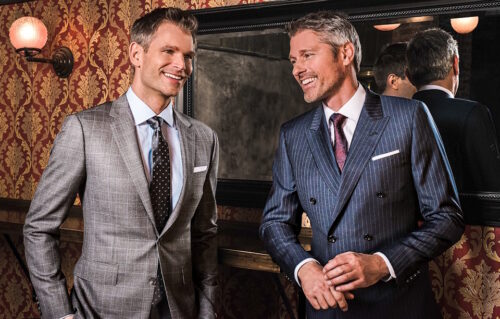
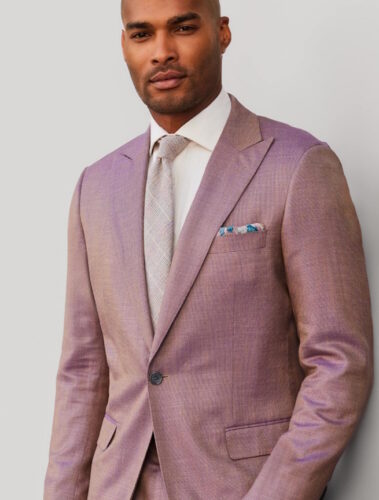
The first stage sets the direction for everything that follows. At NYC bespoke shops, including Alan David bespoke tailoring, or other independent tailoring houses and custom studios across Manhattan, the initial consultation usually focuses on how the suit will be worn, preferred fit, fabric, and budget. This is a working conversation. The tailor wants to understand whether you need something for daily office wear, a wedding, or a formal event, because that shapes every decision from lapel shape to lining.

Fabric selection happens during the same visit. You’ll review swatches from Italian and English mills, wool, wool-cashmere blends, and worsted fabrics in dozens of weights and weaves. A heavier cloth suits a New York winter; a lighter 120s wool works better for year-round wear. Don’t rush this part. The fabric you pick affects how the finished suit looks, feels, and holds its shape over years of use. Most tailors in NYC carry hundreds of options across different price points, so ask to see a range before settling.

Measurements Taken by a Master Tailor

At a bespoke shop, measurements aren’t handled by sales staff. A master tailor or pattern cutter takes every relevant dimension: chest, waist, seat, shoulder width, sleeve pitch, trouser rise, and more. Expect to stand naturally and answer questions about how you prefer the jacket to sit (snug through the waist, a bit more room through the chest, a slightly higher trouser break). These preferences get recorded alongside your numbers.

This is the step that truly separates bespoke from custom. Custom simply adjusts an existing pattern to rough measurements; bespoke cuts an entirely new pattern built around your specific body. That difference matters most when one shoulder sits lower than the other, your torso runs longer than average, or there’s a meaningful drop between your chest and waist. The tailor accounts for every one of those variables right here, so the finished garment doesn’t have to compensate later.

The Basted Fitting

This stage surprises most first-time clients. Before the final suit comes together, the tailor assembles a rough version called a basted fitting using long, removable stitches. The garment looks unfinished and feels strange, but that’s deliberate. It allows the tailor to see exactly how the pattern sits on your body and make corrections before any permanent work happens.

You’ll try it on, move around, sit down, and raise your arms. The tailor marks adjustments directly on the fabric: a shoulder seam shifted forward, a suppression added at the waist, a sleeve rotated to eliminate a drag line at the elbow. This is the most technically involved part of the process, and it’s where the fit gets locked in. Many shops skip this step entirely. The ones that include it consistently produce better results because corrections are far easier to make at this stage than after final construction.

What Should You Expect at Your First Custom Suit Appointment in NYC

Construction Timeline and Final Delivery

Once the basted fitting gets the green light, construction starts. At most NYC tailors, a custom suit runs four to five weeks from final fitting to completion. Some shops do offer a ten-day rush for clients under deadline pressure, but standard timelines aren’t arbitrary. Hand-basted shoulders and pick-stitching on lapels take real time, the kind you can’t compress without the quality showing it.

When the suit’s ready, you’ll come in for a final try-on. By this point, it should fit cleanly, with only minor finishing tweaks left. If something still needs attention – a trouser hem, a sleeve pitch refinement – any reputable tailor handles it at no extra charge. Before you walk out, ask about care instructions for your specific fabric weight and construction. Hand-sewn canvas suits behave differently from fused ones, and knowing how to press and store the jacket properly can extend its life by years.

Pricing, Discounts, and What to Bring to Your First Appointment

Custom suits in NYC start around $1,295, with tuxedos typically opening at $1,395. Overcoats and raincoats run higher, generally from $1,700. Some tailors extend a first-time client discount – a $100 reduction on your first order is fairly common – so it’s worth asking when you book. Those prices reflect hand work, imported fabric, and a pattern made exclusively for your body, which makes a direct comparison with off-the-rack pricing pretty difficult.

Wear or bring the shoes you plan to pair with the suit to your appointment. Trouser length and break get measured with footwear in mind, and the difference between a dress shoe and a sneaker shifts the hem by a noticeable amount. If you own a shirt with a collar you like, bring that too; it helps the tailor set back length and sleeve length correctly. Don’t overthink the rest. Just show up ready to talk honestly about how you actually live in your clothes.

Conclusion

A first custom suit appointment in NYC covers a lot of ground: fabric selection, precise measurement, a basted fitting, and final construction. Each stage serves a specific purpose, and the four-to-five-week timeline reflects how much hand work is genuinely involved. Going in with a clear picture of how you’ll wear the suit and the patience to move through the process properly is what turns a custom suit appointment in NYC from something intimidating into something straightforward.

Farah Naz and the Future of Ethical Couture

Farah Naz and the Future of Ethical Couture

Within the fashion industry, a Creative Director serves as the principal architect of a brand’s creative vision, ensuring that design, storytelling, and visual presentation align with organizational objectives. The position requires leadership, creative problem-solving, and the ability to translate abstract concepts into compelling brand experiences. By directing multidisciplinary teams and overseeing creative execution, Creative Directors help shape the public perception and market positioning of fashion brands.

Fashion Designers specialize in developing original apparel and accessory concepts that reflect both artistic creativity and commercial viability. Their role encompasses the entire design process, from initial inspiration and concept sketches to material selection and final product refinement. Through an understanding of fashion trends, consumer behavior, and production techniques, designers create collections that contribute to a brand’s identity while addressing the needs of its intended audience.

Luxury fashion has traditionally been associated with exclusivity, craftsmanship, and artistic expression. In recent years, however, the industry has also faced increasing scrutiny regarding environmental sustainability and ethical production. Designers who successfully combine these priorities have become important voices in shaping the future of fashion. Among them is Farah Naz, an American fashion designer and creative director whose work reflects a commitment to both haute couture traditions and sustainable innovation.

A native of Karachi, Pakistan, Farah Naz developed an early appreciation for design, textiles, and artistic craftsmanship. Growing up in a culture known for its decorative arts and embroidery traditions provided her with exposure to forms of creative expression that would later influence her professional work. These early experiences contributed to a lifelong interest in fashion and design.

Her journey into the fashion industry was supported by a strong educational foundation. Recognizing the importance of understanding both creativity and business, Naz pursued studies in multiple disciplines. She earned an Associate Degree in Business Management from Warren County Community College in 2017, graduating magna cum laude. The program equipped her with knowledge of management principles, entrepreneurship, and organizational strategy.

In 2018, Naz completed an Associate Degree in Fashion Design at Parsons School of Design. Widely recognized for its influence on contemporary fashion education, Parsons provided her with opportunities to refine her technical skills and develop her creative vision. During her academic career, she was inducted into Sigma Alpha Pi, the National Society of Leadership and Success, further highlighting her achievements.

Following graduation, Naz launched Farah Naz New York, a luxury fashion label headquartered in Manhattan. The company was founded on the belief that high-end fashion could embrace sustainability without sacrificing quality or sophistication. This philosophy became a central element of the brand’s identity and continues to influence its collections.

Farah Naz and the Future of Ethical Couture

The brand attracted attention during its debut presentation at New York Fashion Week in 2019 at Pier 59 Studios. The collection featured elegant gowns distinguished by intricate embroidery, hand-crafted details, and the use of sustainable materials. The runway show introduced a design aesthetic that balanced traditional craftsmanship with contemporary fashion sensibilities.

At the core of Naz’s design philosophy is the concept of sustainable luxury. She advocates for the use of environmentally responsible materials and production methods while maintaining the high standards associated with couture fashion. Her approach challenges the perception that sustainability requires compromise, demonstrating instead that ethical practices can enhance both creativity and quality.

Many of her collections incorporate recycled fabrics and responsibly sourced materials. These choices reflect an effort to reduce environmental impact while encouraging more thoughtful consumption. By focusing on garments designed for longevity, she promotes an alternative to fast-fashion models that prioritize short-term trends and rapid turnover.

Naz’s designs are frequently characterized by a fusion of Eastern and Western influences. Traditional embroidery techniques and handcrafted embellishments are combined with modern silhouettes and contemporary styling. This integration of cultural traditions contributes to a distinctive visual identity that celebrates craftsmanship while appealing to global audiences.

The brand’s expansion into bridal couture further illustrates its dedication to artisanal excellence. Bridal designs often feature detailed handwork, personalized craftsmanship, and carefully selected fabrics. These elements reinforce the company’s commitment to creating garments that are both meaningful and enduring.

As a creative director, Naz oversees the broader artistic direction of her company. Her responsibilities extend beyond garment design to include branding, visual presentation, and collection development. Through this leadership role, she ensures that every aspect of the brand reflects its core values of elegance, sustainability, and craftsmanship.

Beyond her commercial work, Naz advocates for ethical practices within the fashion industry. She supports responsible labor standards, sustainable sourcing, and the preservation of traditional artisan techniques. Her perspective aligns with broader industry efforts to create more transparent and environmentally conscious systems of production.

Today, operating from the New York metropolitan region while residing in New Jersey, Naz continues to guide the growth of her brand. Her work reflects an ongoing commitment to combining artistic excellence with social and environmental responsibility, demonstrating how fashion can evolve to meet contemporary challenges while preserving its creative heritage.

Farah Naz represents a new generation of fashion entrepreneurs who view sustainability as an essential component of luxury design. Through Farah Naz New York, she has developed a brand that integrates haute couture craftsmanship, ethical production, and cultural artistry. Her educational achievements, entrepreneurial leadership, and commitment to responsible fashion practices have shaped a distinctive career in the industry. As conversations about sustainability continue to influence the future of fashion, Farah Naz’s work serves as an example of how innovation, tradition, and environmental responsibility can be successfully combined within the world of luxury couture.

Luxury Meets Convenience: Why Modern Women Are Turning to Wigs

Luxury Meets Convenience: Why Modern Women Are Turning to Wigs

In today’s fast-moving world, luxury is no longer defined solely by exclusivity or high price points. Instead, it has evolved into something more personal—something that blends beauty with ease. For modern women balancing careers, social lives, and personal time, convenience has become an essential part of feeling put together.

This shift is especially visible in the beauty and fashion space, where effortless elegance is now more desirable than overly complicated routines. Wigs, once seen as purely functional, are now stepping into the spotlight as a symbol of this new kind of luxury.

Effortless Style for Busy Lifestyles

Time is one of the most valuable resources today. Traditional hair care—frequent salon visits, daily styling, and long maintenance routines—can quickly become overwhelming. Wigs offer a practical yet stylish alternative.

With minimal effort, they allow women to achieve a polished look within minutes. There is no need to spend hours perfecting a hairstyle before heading out. Whether it is for work, an event, or travel, wigs provide consistency and reliability, helping women feel confident without added stress.

Freedom to Transform Without Commitment

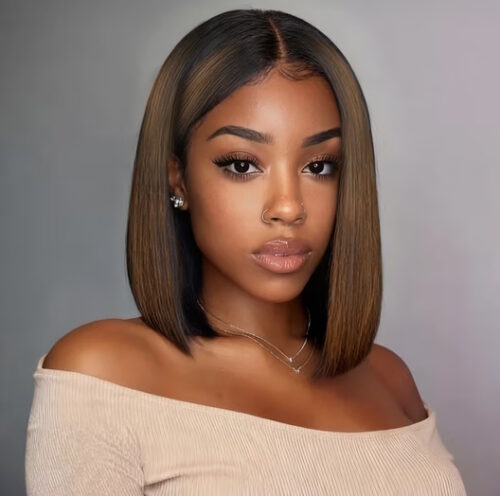
One of the most appealing aspects of wigs is the freedom they offer. Instead of committing to a single hairstyle, women can change their look as often as they like. Long, short, straight, or voluminous—each style becomes an option rather than a decision.

This flexibility allows for creativity and self-expression in a way that traditional hairstyling cannot always provide. A well-crafted UNice brand wig can seamlessly match different outfits and occasions, making it feel less like an accessory and more like a natural extension of personal style.

Texture as a Statement of Style

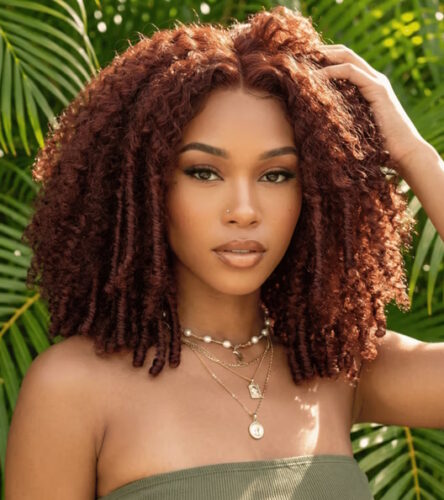
Hair texture plays a powerful role in defining an overall look. Soft curls can create a romantic and feminine feel, while sleek straight styles often convey sophistication and minimalism.

For those who enjoy a bit of volume and movement, choosing a wig with curls can instantly elevate an outfit. It adds dimension and personality without requiring heat styling or long preparation. This ability to switch textures effortlessly is part of what makes wigs such a valuable styling tool in modern fashion.

Luxury Meets Convenience: Why Modern Women Are Turning to Wigs

The Rise of Natural-Looking Designs

Advancements in wig design have transformed how they are perceived. Today’s high-quality wigs are designed with realism in mind, from natural hairlines to lightweight construction. The result is a look that feels authentic and comfortable enough for everyday wear.

Because of this, wigs are no longer reserved for special occasions. They have become a practical, stylish option for daily life—something that enhances rather than replaces natural beauty.

Where Fashion Meets Function

Ultimately, the growing popularity of wigs reflects a broader shift in how women approach beauty. It is no longer about spending more time or effort, but about making smarter, more efficient choices.

Wigs sit perfectly at the intersection of fashion and function. They allow women to maintain a high level of style while simplifying their routines. In a world where time is limited but expectations remain high, this balance is exactly what modern luxury looks like.

How to Choose a Clean, Non-Toxic Perfume

How to Choose a Clean, Non-Toxic Perfume

I used to buy perfumes labeled “natural” and “clean” without actually checking what that meant. Turns out, those words don’t mean anything legally. A brand can slap “natural” on a bottle full of endocrine disruptors and call it a day.

That’s when I started reading ingredient lists. Really reading them. Not skimming past the marketing.

What I found was shocking. Perfumes labeled “clean” still contained phthalates. Fragrances advertised as “natural” had synthetic chemicals that mess with your hormones. Even expensive bottles from brands that claim to be sustainable may contain ingredients that can accumulate in your body over time.

What Actually Separates Clean Perfumes From Conventional Ones

How to Choose a Clean, Non-Toxic Perfume

Why Your Fragrance Choice Actually Matters for Your Health

Here’s what nobody tells you when they sell you a bottle of perfume: your skin absorbs it. All of it. Every chemical in that bottle gets absorbed into your bloodstream throughout the day.

Phthalates are endocrine disruptors. They mess with your hormones. They’ve been linked to reproductive issues, developmental problems, and hormone imbalances. But they’re in most commercial perfumes because they help the scent last longer and blend better.

Parabens are another problem. They mimic estrogen in your body. Over time, they accumulate in your tissues. We don’t yet fully understand the long-term effects, but we know they’re not favorable for you.

Trusted brands like ESAS Beauty prove you don’t have to choose between luxury and safety. You can have both.

The Four Pillars of Actually Clean Perfume

1. Non-Toxic Ingredients

The Absence of Poison

I used to think “non-toxic” was just marketing language. Then I learned what specific chemicals to avoid, and everything made sense.

Conventional perfumes contain three categories of problematic chemicals: phthalates, parabens, and endocrine disruptors. Each one has a different way of harming your body, but they all accumulate over time.

A clean perfume is specifically formulated to avoid all three.

What this means for you:

  • No phthalates (no hormone disruption)
  • No parabens (no estrogen mimicking)
  • No endocrine disruptors (no chemical interference with your body’s systems)
  • Safe for daily wear without accumulation
  • Won’t trigger skin sensitivity or headaches
  • Actually makes you feel better, not worse

2. Organic and Essential Oil-Based Formulas

Real Plants, Not Lab Chemicals

The difference between synthetic fragrance and essential oil fragrance is the difference between eating processed food and eating real food.

Synthetic fragrances are made in labs. They’re linear. They smell like one thing. They fade quickly because there’s nothing complex holding them together.

Essential oil-based fragrances come from actual plants. They have depth. They change throughout the day. They feel luxurious because they actually are.

What this means for you:

  • Rich, complex scent profiles that feel luxurious
  • Real plant extracts instead of lab-created chemicals
  • Scent evolves beautifully throughout the day
  • Works better with your natural body chemistry
  • Better for sensitive skin
  • Feels expensive because it is expensive to make

3. Skin-Friendly Formulas

The Alcohol Matters More Than You Think

Most perfumes use conventional alcohol. It’s cheap, it blends well, but it’s harsh on your skin. That’s why conventional perfume can trigger headaches and irritation.

Clean perfumes use organic sugarcane alcohol instead. It’s gentler. It nourishes your skin instead of drying it out. And it still works perfectly as a carrier for the fragrance.

I have sensitive skin. Conventional perfume used to give me headaches within an hour. Switching to a perfume with organic sugarcane alcohol made a significant difference. No more headaches. My skin actually felt better, not worse.

What this means for you:

  • Organic sugarcane alcohol base (gentle, nourishing)
  • Hypoallergenic options available for sensitive skin
  • Won’t trigger headaches or irritation
  • Safe to wear daily without negative effects
  • Nourishes your skin instead of damaging it
  • Feels better the longer you wear it

4. Sustainable and Eco-Friendly Practices

Your Choices Have Consequences

Most people don’t think about the environmental impact of their perfume. But every bottle you buy has a story. Where did the ingredients come from? Who grew them? What was the impact on the land?

Clean perfume brands think about this. They source ingredients ethically. They use biodegradable packaging. They support sustainable farming practices. It costs more. But it means your luxury isn’t someone else’s destruction.

What this means for you:

  • Biodegradable packaging (doesn’t sit in landfills)
  • Ethically sourced ingredients (supports farming communities)
  • Sustainable sourcing practices (protect the environment)
  • Reduces plastic waste
  • Supports regenerative agriculture
  • Good for the planet, good for your conscience

How to Choose a Clean, Non-Toxic Perfume

How to Actually Identify Clean Perfumes

Stop trusting labels. Here’s what to actually check:

  1. Read the Full Ingredient List

If a brand won’t list ingredients, that’s a red flag. Period. Clean brands have nothing to hide. They list everything.

Look for “organic essential oil,” “essential oil extract,” and specific plant names. Not just “fragrance” or “parfum.” Those vague terms hide a multitude of sins.

  1. Check for Specific Labels
  • Phthalate-free (non-negotiable)
  • Paraben-free (essential)
  • No endocrine disruptors (should be explicit)
  • Organic certification (actual standards, not just marketing)
  1. Ask About the Alcohol

The base matters. Organic sugarcane alcohol is what you want. If they won’t tell you, ask. Good brands are proud of their base.

  1. Look for Sustainability Claims With Proof

Anyone can claim “sustainable.” Look for evidence. Do they source from specific farms? Do they have certifications? Can they trace their supply chain?

  1. Test It on Your Skin

This is the real test. Spray a clean perfume on your skin. Notice how it feels. Notice if it triggers any reaction. Notice how long it lasts. Then compare it to what you’ve been wearing. You’ll feel the difference immediately. When you’re shopping for natural organic perfume, use these filters. They’ll help you spot the real deal instead of marketing smoke.

What Clean Fragrances Actually Smell Like

1. For Gourmand and Sweet Lovers

Cozy, Comforting, Decadent

Some scents wrap around you like a blanket. Eau Naturelle is one of them. It opens warm, enveloping, luxurious. Not heavy. Just comforting.

This is the fragrance you wear when you want to feel like you’re being hugged by warmth. It’s sweet without being sugary. Deep without being overwhelming.

What you get:

  • Warm, cozy opening that feels like comfort
  • Sweet notes that don’t cloy
  • Enveloping base that lasts all day
  • Luxurious feel without heaviness
  • Perfect for evenings or any time you want warmth

2. For Fresh and Clean Preferences

Simplicity That’s Actually Sophisticated

Sometimes the best fragrances are the ones that don’t announce themselves. Bare is like that. It’s clean, crisp, effortless. It smells like fresh air made into a fragrance.

This is for people who prefer scents that fade into the background and become part of you rather than competing for attention.

What you get:

  • Crisp, airy opening that feels fresh
  • Clean notes without being soapy
  • Effortlessly sophisticated
  • Works with any skin chemistry
  • Perfect for office or everyday wear

3. For Woody Fragrance Enthusiasts

Grounding, Calming, Earthy

Lavender and Cedar together create an earthy note. Something that makes you feel rooted. This fragrance is for people who love the smell of nature—specifically, nature’s strongest scents.

What you get:

  • Earthy lavender that soothes
  • Cedar that grounds and strengthens
  • Calming effect throughout wear
  • Sophisticated, natural feel
  • Works beautifully on all skin types

4. For Aquatic Lovers

Cool, Oceanic, Serene

This is what the ocean smells like if you could bottle it. Minerale is cool, invigorating, and serene. It makes you feel like you’re breathing ocean air.

Aquatic fragrances are underrated. They’re not heavy. They don’t demand attention. They just make you feel good.

What you get:

  • Cool, invigorating opening
  • Oceanic, mineral notes
  • Serene feeling throughout the day
  • Doesn’t compete with your natural scent
  • Perfect for warm weather or any time you want freshness

5. For Spicy Fragrance Fans

Warm, Mysterious, Sophisticated

Spice in fragrance is underrated. Spiced Woods combines warmth with mystery. It’s not aggressive. It’s sophisticated. It draws people in because they can’t quite figure out what they’re smelling.

This is the fragrance for people who want depth and don’t mind a little mystery.

What you get:

  • Warm spice that’s inviting not aggressive
  • Woody base that adds sophistication
  • Mysterious depth throughout wear
  • Lasts longer than lighter fragrances
  • Perfect for creating an impression

6. For Herbaceous Lovers: Sea Salt and Sage

Grounding, Green, Coastal

Sea Salt and Sage smells like a coastal escape. Fresh herbs, salt air, grounded energy. It’s the fragrance version of a walk along the beach at sunset.

This is for people who want to feel grounded and connected to nature.

What you get:

  • Fresh salt air opening
  • Herbaceous sage that grounds
  • Green, natural feeling throughout
  • Coastal escape vibes
  • Perfect for anyone who loves nature

7. For Citrus Enthusiasts: Bergamot Beach

Bright, Zesty, Energetic

Citrus fragrances are supposed to be happy. Bergamot Beach is delighted to be alive. It’s bright, zesty, and full of energy. This is the fragrance you wear when you want to feel alive and happy.

It doesn’t linger long, but while it’s there, it makes everything feel better.

What you get:

  • Bright, zesty opening that lifts your mood
  • Citrus that feels natural and fresh
  • Energetic, happy vibes all day
  • Perfect for daytime wear
  • Makes you feel good just by existing

8. For Rich and Leathery Scents: Sweet Cream and Vanilla

Luxurious, Smooth, Decadent

Sweet Cream and Vanilla is luxury in a bottle. Sweet, creamy, smooth. It wraps around you like expensive fabric. This fragrance is for people who want to feel indulged.

It’s not subtle. It’s not trying to be understated. It’s unapologetically luxurious.

What you get:

  • Creamy, luxurious opening
  • Smooth vanilla that feels expensive
  • Decadent base that lasts all day
  • Makes you feel indulged
  • Perfect for special occasions or when you want to feel amazing

9. For Citrus-Musk Blend: Sandalwood and Citrus

Fresh Yet Sensual, Balanced

Sandalwood and Citrus strikes a balance most fragrances miss. It’s fresh like citrus, but with the grounding warmth of sandalwood. It’s sensual without being heavy.

What you get:

  • Fresh citrus that energizes
  • Warm sandalwood that grounds
  • Perfect balance of fresh and sensual
  • Works all day beautifully
  • Interesting enough that people notice, but not overwhelming

10. For Floral Lovers: Gardenia and Lily

Lush, Romantic, Timeless

Gardenia and Lily are flowers done right. Lush, romantic, timeless. It’s the fragrance for people who love florals, but don’t want something that feels dated or cliché.

This is elegance in a bottle.

What you get:

  • Lush floral opening that’s beautiful
  • Romantic, timeless feeling
  • Elegant throughout wear
  • Works in any season
  • Makes you feel sophisticated and feminine

Frequently Asked Questions

  1. Are clean perfumes actually better than conventional ones? Yes. They last longer, they feel better on your skin, they smell more complex, and they don’t poison you. Conventional perfumes might be cheaper up front, but you’re paying a hidden price in your health. 
  2. Why do clean perfumes cost more? Because the ingredients actually cost more. Organic essential oils aren’t cheap. Organic sugarcane alcohol isn’t cheap. Sustainable sourcing isn’t cheap. You’re paying for quality—in the scent, in your health, and in the environmental impact. It’s worth it.
  3. How long does clean perfume actually last? On average, 6-8 hours. Some quality, clean perfumes last even longer. Conventional perfumes fade within 2-3 hours. The difference is noticeable. You’ll find yourself not reapplying midday because it’s actually still there.
From Atelier to Street Style: The Rise of the Florence Leather Jacket

From Atelier to Street Style: The Rise of the Florence Leather Jacket
Few garments move as effortlessly between high fashion and everyday wear as the leather jacket. And when it comes to blending Italian craftsmanship with modern design, a Florence leather jacket leads the way – both on the runway and in the streets.

Once a symbol of rebellion, today the leather jacket has been redefined through the lens of Italian heritage. In Florence, where fashion intersects with centuries of artisanal skill, this outerwear staple has evolved into a luxury essential.

A legacy shaped in leather

Florence is globally renowned for its leather artisanship. Within its ateliers, jackets are crafted not by machines, but by the hands of skilled makers who treat each piece as an individual creation. The commitment to high-quality materials and traditional techniques ensures that every garment offers more than just style – it carries a legacy.

The Florence leather jacket is typically made from full-grain, vegetable-tanned leather, chosen for its ability to age beautifully over time. This natural tanning method results in a soft, breathable material that gains character with wear, developing a distinctive patina unique to the wearer.

Among the standout names representing this tradition is Jennifer Tattanelli, a designer whose work embodies the Florentine approach to fashion. With boutiques in Florence and around the world, her collections reflect a commitment to timeless silhouettes, precise tailoring, and luxury materials. The Florence leather jacket is one of her signature pieces – a perfect fusion of traditional Italian leatherwork and cosmopolitan style.

Modern interpretations of a classic form

While rooted in tradition, the modern Florence leather jacket has adapted to the demands of contemporary wardrobes. Designs now range from cropped, minimalist cuts to oversized, structured silhouettes – each maintaining the essential balance between function and form.

What sets the Florentine style apart is its restraint. Instead of excessive hardware or overly distressed finishes, these jackets favor clean lines, high-end linings, and refined details. You’ll find subtle touches like tonal stitching, suede inserts, or matte hardware – features that elevate the garment without overwhelming it.

Jennifer Tattanelli’s approach reflects this evolution perfectly. Her jackets are available in a variety of cuts, textures, and colors, from classic black to rich camel or olive. Each piece is designed to complement a curated wardrobe, making it easy to transition from daywear to evening attire with a single outer layer.

Jennifer Tattanelli also provides personalized services such as the tailor made or bespoke ones, were the jacket will be crafted based only on your own body measurements.

From the workshop to the front row

The Florence leather jacket has made its way from artisan studios to the fashion capitals of the world. On the streets of Paris, Milan, and New York, it’s a recurring feature in both street style photography and off-duty model wardrobes.

What makes it so visible yet so discreet? The answer lies in its versatility. A well-cut leather jacket can be worn over a silk dress or tailored trousers just as easily as over jeans and sneakers. It adapts to the wearer’s style without compromising its identity.

Designers like Jennifer Tattanelli have contributed to this global reach, not only by crafting exceptional jackets but by making them accessible to an international clientele. Her boutiques offer personalized fittings and bespoke detailing, giving clients a chance to own a piece that fits not just their body, but their lifestyle.

A sustainable mindset

Today’s consumers are increasingly looking for fashion that reflects their values. In this sense, the Florence leather jacket aligns naturally with the shift toward quality over quantity.

Many Florentine ateliers, including Tattanelli’s, follow eco-conscious practices, from responsibly sourced leather to low-impact tanning techniques. Jackets are made to last – not just physically, but stylistically. They defy seasonal trends, instead offering a wardrobe foundation that can be worn for years, even decades.

The slow fashion model embraced in Florence encourages thoughtful purchasing, where clients invest in fewer, better pieces. This approach reduces waste and supports artisan economies, all while offering a product that improves with time.

Personal luxury, everyday wear

One of the most appealing aspects of the Florence leather jacket is how personal it becomes. Over time, the leather molds to the wearer’s shape, recording movements and moments. Every crease and subtle variation in tone tells a story.

Customizable elements – such as color, cut, lining, and hardware – allow for further personalization. At Jennifer Tattanelli’s atelier, for example, clients can select specific leather finishes or request monogrammed interiors, turning a fashion item into a personal heirloom.

Yet despite its luxury, the jacket remains grounded in daily use. It’s built for comfort, style, and practicality – ready to be worn on a chilly evening in Florence, during a city commute in New York or a stroll on Worth Avenue in Palm Beach. That’s what makes it such a powerful item: it elevates the everyday without demanding attention.

Sustainable Accessories Elevate Luxury with Eco-Conscious Design

Sustainable accessories elevate luxury with eco-conscious design

Fashion is evolving as sustainable accessories become more prominent. Consumers are increasingly demanding eco-friendly options, prompting the luxury market to innovate. This trend marks a significant shift in how luxury fashion is perceived and valued.

The luxury fashion industry is undergoing a transformative shift with the rise of sustainable accessories. As consumers prioritize eco-conscious choices, designers are integrating sustainable materials into their collections. This change reflects a response to environmental concerns and an evolution in luxury fashion aesthetics. Fashion enthusiasts are embracing pieces like leg warmers designed for warmth and comfort, showcasing the balance between style and sustainability.

Growing demand for eco-friendly luxury accessories

The presence of sustainable accessories at major fashion events is increasing, indicating a broader industry movement towards eco-consciousness. Designers are showcasing collections that feature sustainable materials, captivating audiences with innovation and elegance. You might notice how these events highlight new eco-friendly trends, making sustainability synonymous with luxury.

As you explore these fashion shows, you’ll see an array of accessories crafted from materials like recycled metals and organic fabrics. Designers are not only meeting consumer demands for sustainability but also redefining what it means to be luxurious. The integration of these materials into high-end fashion demonstrates the industry’s commitment to both style and sustainability.

Consumer awareness about environmental impact has reached unprecedented levels, driving a fundamental change in purchasing behavior within the luxury sector. Today’s discerning shoppers are conducting thorough research into brand practices, supply chain transparency, and environmental certifications before making investment purchases. This educated consumer base is willing to pay premium prices for accessories that align with their values, creating a lucrative market segment that luxury brands cannot afford to ignore. The demographic driving this change spans generations, from environmentally conscious millennials to Gen Z consumers who view sustainability as a non-negotiable aspect of their lifestyle choices.

Innovative use of materials and design

The types of materials used in sustainable accessories are diverse, ranging from recycled metals to organic fabrics. Designers are creatively incorporating these elements without compromising on the allure of luxury. For instance, you can find handbags crafted from upcycled leather or jewelry designed with repurposed precious stones.

This innovative approach extends beyond material use, influencing design aesthetics and functionality. By prioritizing sustainability, designers maintain the luxurious appeal of their products while promoting environmental responsibility. This dual focus ensures that the future of fashion remains stylish and sustainable.

Impact of eco-friendly designs on the industry

The shift towards sustainable accessories is reshaping industry standards and practices. Fashion houses are increasingly adopting eco-friendly methods, setting new benchmarks for luxury. This change is met with positive reactions from both critics and enthusiasts who appreciate the blend of innovation and environmental consciousness.

As you consider this trend, you’ll see how these changes influence not only design practices but also consumer expectations. Sustainable accessories signal a commitment to preserving the planet while still providing consumers with products that are both stylish and luxurious. The industry’s embrace of these practices highlights a broader cultural shift towards sustainability.

Future of sustainable luxury fashion

The future of sustainable luxury accessories looks promising, with ongoing innovations likely to drive wider adoption across the fashion industry. Designers are expected to continue exploring new materials and technologies that enhance both sustainability and design aesthetics.

This forward-thinking approach could lead to more accessible eco-friendly options within high fashion, broadening their appeal among consumers who value sustainability. As you consider your own fashion choices, recognizing this trend towards environmentally conscious design can inspire more thoughtful purchasing decisions.