Category: fashion trends

Farah Naz and the Future of Ethical Couture

Farah Naz and the Future of Ethical Couture

Within the fashion industry, a Creative Director serves as the principal architect of a brand’s creative vision, ensuring that design, storytelling, and visual presentation align with organizational objectives. The position requires leadership, creative problem-solving, and the ability to translate abstract concepts into compelling brand experiences. By directing multidisciplinary teams and overseeing creative execution, Creative Directors help shape the public perception and market positioning of fashion brands.

Fashion Designers specialize in developing original apparel and accessory concepts that reflect both artistic creativity and commercial viability. Their role encompasses the entire design process, from initial inspiration and concept sketches to material selection and final product refinement. Through an understanding of fashion trends, consumer behavior, and production techniques, designers create collections that contribute to a brand’s identity while addressing the needs of its intended audience.

Luxury fashion has traditionally been associated with exclusivity, craftsmanship, and artistic expression. In recent years, however, the industry has also faced increasing scrutiny regarding environmental sustainability and ethical production. Designers who successfully combine these priorities have become important voices in shaping the future of fashion. Among them is Farah Naz, an American fashion designer and creative director whose work reflects a commitment to both haute couture traditions and sustainable innovation.

A native of Karachi, Pakistan, Farah Naz developed an early appreciation for design, textiles, and artistic craftsmanship. Growing up in a culture known for its decorative arts and embroidery traditions provided her with exposure to forms of creative expression that would later influence her professional work. These early experiences contributed to a lifelong interest in fashion and design.

Her journey into the fashion industry was supported by a strong educational foundation. Recognizing the importance of understanding both creativity and business, Naz pursued studies in multiple disciplines. She earned an Associate Degree in Business Management from Warren County Community College in 2017, graduating magna cum laude. The program equipped her with knowledge of management principles, entrepreneurship, and organizational strategy.

In 2018, Naz completed an Associate Degree in Fashion Design at Parsons School of Design. Widely recognized for its influence on contemporary fashion education, Parsons provided her with opportunities to refine her technical skills and develop her creative vision. During her academic career, she was inducted into Sigma Alpha Pi, the National Society of Leadership and Success, further highlighting her achievements.

Following graduation, Naz launched Farah Naz New York, a luxury fashion label headquartered in Manhattan. The company was founded on the belief that high-end fashion could embrace sustainability without sacrificing quality or sophistication. This philosophy became a central element of the brand’s identity and continues to influence its collections.

Farah Naz and the Future of Ethical Couture

The brand attracted attention during its debut presentation at New York Fashion Week in 2019 at Pier 59 Studios. The collection featured elegant gowns distinguished by intricate embroidery, hand-crafted details, and the use of sustainable materials. The runway show introduced a design aesthetic that balanced traditional craftsmanship with contemporary fashion sensibilities.

At the core of Naz’s design philosophy is the concept of sustainable luxury. She advocates for the use of environmentally responsible materials and production methods while maintaining the high standards associated with couture fashion. Her approach challenges the perception that sustainability requires compromise, demonstrating instead that ethical practices can enhance both creativity and quality.

Many of her collections incorporate recycled fabrics and responsibly sourced materials. These choices reflect an effort to reduce environmental impact while encouraging more thoughtful consumption. By focusing on garments designed for longevity, she promotes an alternative to fast-fashion models that prioritize short-term trends and rapid turnover.

Naz’s designs are frequently characterized by a fusion of Eastern and Western influences. Traditional embroidery techniques and handcrafted embellishments are combined with modern silhouettes and contemporary styling. This integration of cultural traditions contributes to a distinctive visual identity that celebrates craftsmanship while appealing to global audiences.

The brand’s expansion into bridal couture further illustrates its dedication to artisanal excellence. Bridal designs often feature detailed handwork, personalized craftsmanship, and carefully selected fabrics. These elements reinforce the company’s commitment to creating garments that are both meaningful and enduring.

As a creative director, Naz oversees the broader artistic direction of her company. Her responsibilities extend beyond garment design to include branding, visual presentation, and collection development. Through this leadership role, she ensures that every aspect of the brand reflects its core values of elegance, sustainability, and craftsmanship.

Beyond her commercial work, Naz advocates for ethical practices within the fashion industry. She supports responsible labor standards, sustainable sourcing, and the preservation of traditional artisan techniques. Her perspective aligns with broader industry efforts to create more transparent and environmentally conscious systems of production.

Today, operating from the New York metropolitan region while residing in New Jersey, Naz continues to guide the growth of her brand. Her work reflects an ongoing commitment to combining artistic excellence with social and environmental responsibility, demonstrating how fashion can evolve to meet contemporary challenges while preserving its creative heritage.

Farah Naz represents a new generation of fashion entrepreneurs who view sustainability as an essential component of luxury design. Through Farah Naz New York, she has developed a brand that integrates haute couture craftsmanship, ethical production, and cultural artistry. Her educational achievements, entrepreneurial leadership, and commitment to responsible fashion practices have shaped a distinctive career in the industry. As conversations about sustainability continue to influence the future of fashion, Farah Naz’s work serves as an example of how innovation, tradition, and environmental responsibility can be successfully combined within the world of luxury couture.

How to Create a Versatile Wardrobe for Every Season

How to Create a Versatile Wardrobe for Every Season

Creating a wardrobe that works all year long can save time, money, and stress. Instead of buying new clothes every season, a versatile wardrobe focuses on pieces that can be mixed, matched, and layered for different weather and occasions. The key is choosing timeless styles, comfortable basics, and a few seasonal items that work well together.

Whether you’re dressing for warm summer days or cooler winter months, having the right foundation makes it easier to put together stylish outfits. In this article, we’ll explore practical tips for building a flexible wardrobe that keeps you looking and feeling your best throughout every season.

The Real Foundation: What a Year-Round Wardrobe Actually Needs

Before you buy a single thing, it helps to get honest about what you’re actually reaching for, versus what just hangs there collecting dust.

The Pieces That Pull Real Weight

Wardrobe essentials for every season share one non-negotiable trait they flex across contexts without forcing you to overthink it. Neutral tops, tailored trousers, a well-cut blazer, and foundational dresses. These aren’t glamorous purchases, but they’re the ones doing the heaviest lifting every week. Luna Fashion House dresses, for instance, are designed with exactly this kind of structured versatility in mind, built since 1990 to hold their shape and relevance across seasons rather than chasing trends that expire in three months.

Pair those core pieces with two or three transitional outerwear options, and your wardrobe starts working harder without growing any bigger.

Fabric Is More Important Than You Think

Seriously, most people underestimate this. Cotton, modal, merino wool, and quality blends breathe well, layer without bulk, and survive repeat wears without looking sad. A quick test worth doing before you buy anything: feel how the fabric responds after washing. Does it go stiff and lifeless, or does it hold its drape? That one detail usually tells you everything you need to know about whether it’s worth keeping long-term.

How to Build a Capsule Wardrobe That Actually Makes Sense

Learning how to build a capsule wardrobe is one of those skills that quietly changes everything about how you approach getting dressed. Less time staring at a full closet, wondering what to wear. Less guilt about impulse buys. More intentional spending.

The Strategy That Makes It Click

A well-constructed 31-piece fall capsule can generate over 100 distinct outfit combinations. That’s not marketing spin, it’s just math, and it works. Start with a neutral base palette. Add two or three accent shades that genuinely mix well with everything else. Then apply this filter before any new purchase: does this work with at least three pieces I already own? If the answer is no, put it back. That single rule separates a real year-round wardrobe from a pile of disconnected, expensive mistakes.

Off-Season Storage Without the Chaos

Rotating seasonally doesn’t need to be a weekend project you dread. Use breathable garment bags for delicate pieces, label storage clearly, and schedule two brief check-ins per year, one in spring, one in fall. Donate what you haven’t touched. Mend what needs it. Reassess gaps honestly before buying anything new.

Layering Done Right: The Skill That Makes Everything Season-Proof

How to Create a Versatile Wardrobe for Every Season

Real-World Layering That Works

This is where things get genuinely practical. Luna Fashion House dresses layered thoughtfully with wardrobe staples can make almost any outfit work across dramatically different conditions. Pull a midi dress over a ribbed turtleneck, and you’ve got a winter outfit. Swap the turtleneck for sandals and a linen shawl, and that same dress reads as a breezy summer evening look. Accessories, such as a good belt, a structured scarf, and layered jewelry, do far more transformative work than most people ever give them credit for.

AM-to-PM Flexibility Matters More Than Outfit Count

The real measure of a smart wardrobe isn’t how many clothes you own, it’s how many situations a single outfit can handle. A morning meeting that runs into a dinner reservation shouldn’t require a full outfit change. One jacket swap, a shoe switch, maybe a different bag. That kind of flexibility is worth more than a closet stuffed with options that don’t communicate with each other.

Seasonal Tips That Keep Everything Running Smoothly

Good seasonal wardrobe tips don’t need to be complicated. Small, deliberate shifts are almost always enough.

Winter Into Spring

Trade heavy knits for lighter layers in softer, warmer tones. A camel coat worn over a floral dress naturally bridges both seasons, no awkward styling gymnastics required.

Summer Into Fall

Don’t pack away summer dresses prematurely. Add ankle boots, a chunky cardigan, and deeper accessories, and that floral midi shifts convincingly into fall territory. The dress itself stays the same. Only the context changes.

Accessories as a Year-Round Reset Button

Shoes, bags, and jewelry are genuinely the fastest way to refresh a versatile wardrobe without touching your budget significantly. Swap strappy sandals for loafers. Replace the straw tote with a structured leather bag. The outfit registers completely differently without buying a single new clothing piece.

Shopping Smarter: Quality Over Volume, Every Time

Where to Invest Versus Where to Save

Spend real money on outerwear, shoes, and foundational dresses. These are the pieces worn most, seen most, and scrutinized most. For trendy accessories you’ll swap out seasonally anyway, thrift confidently and spend less.

Slow Fashion Is Just Practical Sense

Fewer, better pieces get worn more. They get valued more. They last longer. Building around timeless structures rather than micro-trends is simply the more sustainable and more economical way to dress.

Quick Answers to Common Capsule Wardrobe Questions

Does capsule dressing work in climates with extreme temperature swings?

Absolutely. Lean into layering. Merino turtlenecks, structured dresses, and lightweight coats handle wide temperature ranges without requiring a bloated wardrobe to do it.

What wardrobe essentials do people most commonly overlook?

A quality belt, a versatile scarf, and a structured tote bag. These three quietly elevate basic outfits across all four seasons without requiring any additional clothing investment.

How often should you reassess a capsule wardrobe?

Twice a year, in the spring and fall. Each session: remove the unworn, repair the damaged, and identify genuine gaps. Then stop. Don’t add impulsively.

A Closet Worth Getting Dressed From

Building a wardrobe that genuinely works across every season isn’t something that happens in a single weekend shopping trip. But the effort compounds. Quality fabrics, mix-and-match fundamentals, and intentional layering transform a year-round wardrobe from an aspiration into something you actually live in daily. Every piece earns its place. Every season feels covered. And getting dressed finally feels like the easy part.

How to Choose a Wedding Guest Dress That Looks Good in Real Life

A good wedding guest dress has to do more than look beautiful on a hanger. It needs to respect the occasion, feel comfortable through a long day, photograph well, and still feel like something you would genuinely choose for yourself. That is why the best wedding guest outfits usually start with a few practical questions before color, trend, or brand even enter the conversation.

The goal is not to be the most noticeable person in the room. It is to look considered. A dress that fits the setting, moves naturally, and gives you confidence will usually feel more elegant than something chosen only because it is dramatic.

How to Choose a Wedding Guest Dress That Looks Good in Real Life
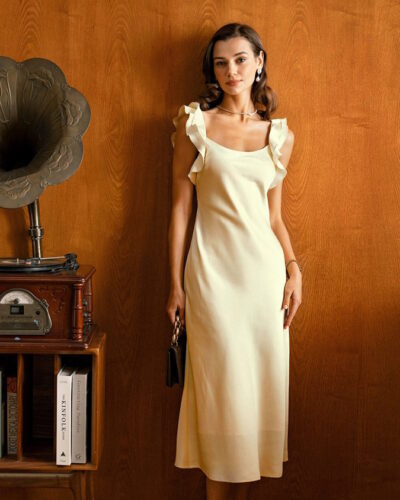
RIHOAS Yellow Square Neck Ruffle Satin Midi Dress

Start With the Invitation, Not the Dress

The invitation usually gives you the first useful clues. Black tie, formal, cocktail, garden, beach, city hall, and destination weddings all ask for slightly different choices. If the dress code is black tie or formal, a longer dress, a refined fabric, or a more structured silhouette will usually feel appropriate. For cocktail attire, a midi dress is often the easiest answer because it feels polished without becoming too formal.

Outdoor and daytime weddings need a different kind of thinking. A garden ceremony may work better with soft florals, lighter colors, or a dress with movement. A beach wedding usually calls for breathable fabric, simpler shoes, and a silhouette that does not fight the setting. A city wedding can handle cleaner lines, deeper colors, and more tailored accessories.

When the dress code is unclear, it is better to dress slightly refined than slightly underdressed. A simple satin midi, a graceful maxi dress, or a floral dress in a calm color palette can cover many situations without feeling forced.

Choose a Silhouette You Can Actually Live In

Wedding days are long. You may be sitting through a ceremony, walking across grass or stone, standing during cocktail hour, eating dinner, dancing, and taking photos from every angle. A dress that only works while standing still is not a useful dress.

Midi dresses are often the safest choice because they are easy to move in and suit many levels of formality. Maxi dresses feel more elevated, especially in satin, chiffon, or softly draped fabrics. Mini dresses can work for casual summer weddings, but they need the right setting and should still feel intentional rather than too relaxed.

Fit matters more than decoration. A clean neckline, a waist that sits properly, and a skirt that falls well will do more for the final look than heavy embellishment. If a dress makes you adjust the straps, pull at the hem, or think about it every ten minutes, it is not the right dress for an event where you want to be present.

How to Choose a Wedding Guest Dress That Looks Good in Real Life
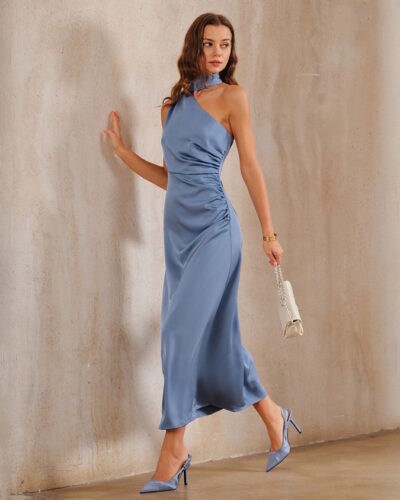
RIHOAS Blue One Shoulder A-Line Satin Maxi Dress

Color Should Support the Occasion

The usual rule still matters: avoid white, ivory, cream, and anything that could read bridal in photos unless the couple specifically asks for it. Beyond that, color is about mood and setting. Pastels and florals often suit spring and garden weddings. Jewel tones and deeper shades work well for evening celebrations. Black can be elegant for city, formal, or evening weddings, especially when the fabric and accessories keep the look celebratory.

If you are unsure, look at the venue and season. A yellow satin midi may feel fresh for a warm-weather daytime wedding. A blue satin maxi can feel polished for an evening reception. A green floral dress can sit comfortably between romantic and relaxed, which is why florals remain one of the most reliable wedding guest choices.

Think About Fabric Before Accessories

Fabric changes the entire impression of a dress. Satin catches light and feels more evening-ready. Chiffon and mesh can feel softer and more romantic. Jacquard adds texture without needing much jewelry. Cotton or linen blends may work for very casual outdoor weddings, but they can look too relaxed for a formal reception.

A useful test is to imagine the dress with very simple styling. If it still feels complete with minimal heels, a small bag, and one piece of jewelry, the dress is probably strong enough. If it needs too many accessories to make sense, it may be better suited to another occasion.

Shoes, Bags, and Layers Matter More Than People Admit

Many wedding guest outfits fail at the practical details. Thin stilettos may look good in a mirror but sink into grass. A large day bag can make an elegant dress feel casual. A heavy jacket can interrupt the whole shape of the outfit.

For outdoor weddings, block heels, kitten heels, dressy flats, or sandals with enough support are usually smarter than very thin heels. For evening weddings, a small clutch or structured mini bag keeps the look clean. If the event may get cool, choose a wrap, cropped jacket, or light cardigan that looks intentional with the dress rather than something added at the last minute.

How to Choose a Wedding Guest Dress That Looks Good in Real Life
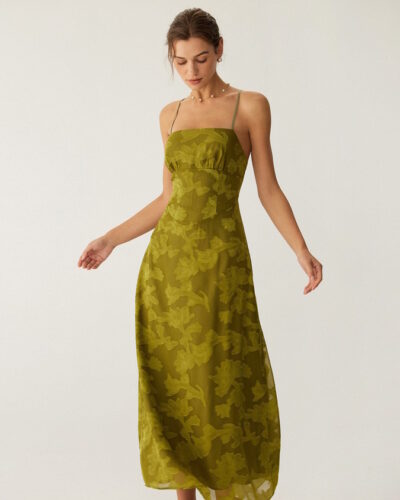
RIHOAS Green Floral Ruched Backless Slip Maxi Dress

Build a Small Wedding Guest Wardrobe Instead of Starting Over Every Time

Most people do not need a new dress for every wedding. A better approach is to own a few reliable pieces that can be restyled. One romantic floral midi, one satin midi or maxi, one darker cocktail dress, and one easy warm-weather dress can cover many invitations.

This is also where shopping becomes easier. Instead of searching for a vague idea of something pretty, look for the role the dress needs to play: garden wedding, formal evening, destination ceremony, cocktail reception, or summer dinner celebration. A focused search leads to better choices.

If your style leans feminine, romantic, and polished, the RIHOAS wedding guest dresses collection is a useful place to browse because it keeps the focus on wearable dresses rather than one-time statement pieces. The strongest options are the ones you can imagine wearing beyond the wedding day, with different shoes, jewelry, or layers.

The Best Dress Feels Appropriate and Personal

The most successful wedding guest look usually does not feel overplanned. It feels appropriate for the couple, comfortable for the setting, and personal to the person wearing it. That balance is what makes a dress useful.

A wedding is a shared occasion, so restraint matters. But restraint does not mean plain. It can mean a softer color, a better fabric, a cleaner neckline, or a silhouette that lets you move easily. When those details are right, the outfit feels elegant without asking for too much attention.

Luxury Meets Convenience: Why Modern Women Are Turning to Wigs

Luxury Meets Convenience: Why Modern Women Are Turning to Wigs

In today’s fast-moving world, luxury is no longer defined solely by exclusivity or high price points. Instead, it has evolved into something more personal—something that blends beauty with ease. For modern women balancing careers, social lives, and personal time, convenience has become an essential part of feeling put together.

This shift is especially visible in the beauty and fashion space, where effortless elegance is now more desirable than overly complicated routines. Wigs, once seen as purely functional, are now stepping into the spotlight as a symbol of this new kind of luxury.

Effortless Style for Busy Lifestyles

Time is one of the most valuable resources today. Traditional hair care—frequent salon visits, daily styling, and long maintenance routines—can quickly become overwhelming. Wigs offer a practical yet stylish alternative.

With minimal effort, they allow women to achieve a polished look within minutes. There is no need to spend hours perfecting a hairstyle before heading out. Whether it is for work, an event, or travel, wigs provide consistency and reliability, helping women feel confident without added stress.

Freedom to Transform Without Commitment

One of the most appealing aspects of wigs is the freedom they offer. Instead of committing to a single hairstyle, women can change their look as often as they like. Long, short, straight, or voluminous—each style becomes an option rather than a decision.

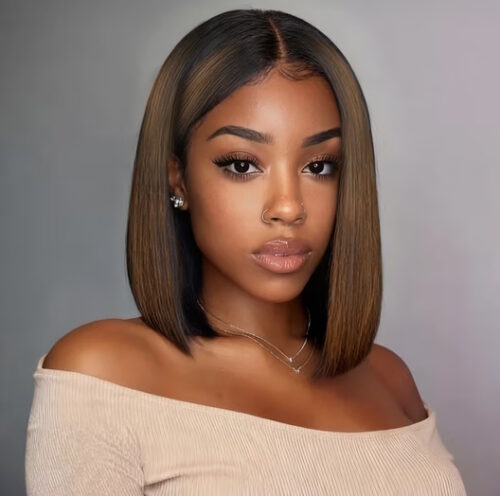
This flexibility allows for creativity and self-expression in a way that traditional hairstyling cannot always provide. A well-crafted UNice brand wig can seamlessly match different outfits and occasions, making it feel less like an accessory and more like a natural extension of personal style.

Texture as a Statement of Style

Hair texture plays a powerful role in defining an overall look. Soft curls can create a romantic and feminine feel, while sleek straight styles often convey sophistication and minimalism.

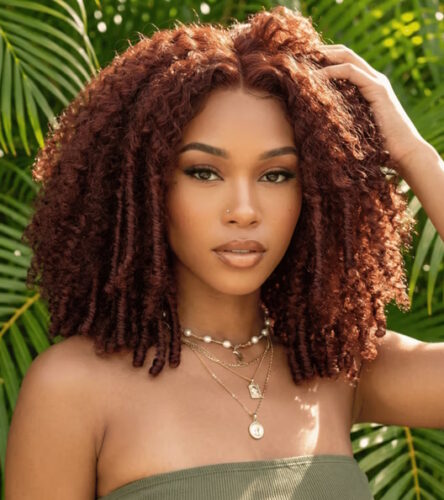
For those who enjoy a bit of volume and movement, choosing a wig with curls can instantly elevate an outfit. It adds dimension and personality without requiring heat styling or long preparation. This ability to switch textures effortlessly is part of what makes wigs such a valuable styling tool in modern fashion.

Luxury Meets Convenience: Why Modern Women Are Turning to Wigs

The Rise of Natural-Looking Designs

Advancements in wig design have transformed how they are perceived. Today’s high-quality wigs are designed with realism in mind, from natural hairlines to lightweight construction. The result is a look that feels authentic and comfortable enough for everyday wear.

Because of this, wigs are no longer reserved for special occasions. They have become a practical, stylish option for daily life—something that enhances rather than replaces natural beauty.

Where Fashion Meets Function

Ultimately, the growing popularity of wigs reflects a broader shift in how women approach beauty. It is no longer about spending more time or effort, but about making smarter, more efficient choices.

Wigs sit perfectly at the intersection of fashion and function. They allow women to maintain a high level of style while simplifying their routines. In a world where time is limited but expectations remain high, this balance is exactly what modern luxury looks like.

Essential Goth Clothing Pieces That Never Fade

Goth clothing has always moved at a different rhythm than mainstream fashion. It doesn’t rely on constant reinvention or seasonal novelty to stay relevant. Instead, it builds its identity around a small number of recurring pieces that quietly hold everything together. These garments don’t disappear and reappear with trends. They stay, evolve slightly, and continue to make sense over time.

What makes goth clothing endure is this sense of continuity. Certain essentials return again and again, not because they are iconic in a nostalgic way, but because they remain useful, expressive, and adaptable. They form a wardrobe that feels intentional rather than reactive.

Essential Goth Clothing Pieces That Never Fade

Goth Belt: A Functional Statement

In goth clothing, the belt is rarely just an accessory. It often plays a central role in defining the silhouette and grounding the outfit. Wide belts, leather straps, metal hardware, or subtle chains all serve the same purpose: adding structure and weight without overwhelming the look.

What make goth belts timeless is their balance between function and expression. They hold garments in place, but they also introduce contrast, breaking up layers of black fabric and adding dimension. Whether worn over trousers, cinching a long coat, or defining the waist over layered tops, a gothic belt remains one of the most reliable elements in goth styling. Its presence feels deliberate, never decorative for its own sake.

Long Black Coats and Structured Outerwear

Outerwear has always been essential to goth clothing, and long black coats sit at the center of that tradition. These pieces define the outfit from the outside, shaping how everything underneath is perceived.

A well-structured coat adds authority and presence without needing excess detail. Clean lines, heavier fabrics, and longer cuts create movement and silhouette rather than relying on embellishment. Over time, materials and tailoring may shift, but the role of the long black coat remains the same. It anchors the outfit and gives it cohesion, regardless of how minimal or layered the rest of the look may be.

Essential Goth Clothing Pieces That Never Fade

Black Tops as a Reliable Foundation

At the heart of goth clothing is a reliance on simple black tops. These pieces often go unnoticed, yet they are essential to making everything else work. Long-sleeve shirts, fitted tops, and lightweight layers create a neutral base that allows other elements to stand out naturally.

What keeps these garments relevant is their restraint. They are not designed to draw attention. Instead, they provide consistency. Over the years, the cuts may change slightly, becoming looser or more structured, but their function remains the same. A solid black top continues to be one of the most dependable pieces in a goth wardrobe.

Lace and Sheer Layers Used with Intention

Lace and sheer fabrics are often associated with goth clothing, but their lasting appeal comes from careful use rather than excess. When integrated thoughtfully, they add texture and depth without turning the outfit into a costume.

Sheer layers soften heavier garments, while lace introduces detail that feels tactile rather than decorative. These elements work best when they are part of a larger composition, layered under jackets or paired with structured pieces. Their ability to add nuance without dominating the look is what allows them to remain relevant over time.

Corset-Inspired Pieces and Structured Tops

Corset-inspired garments have long been present in goth clothing, not as historical reproductions, but as references to structure and control. These pieces bring focus to the torso and introduce shape in an otherwise fluid wardrobe.

Modern interpretations tend to prioritize comfort and wearability. Instead of rigid construction, they rely on clean lines and subtle shaping. This evolution has allowed corset-inspired tops to remain part of goth clothing without feeling restrictive or dated. They continue to work because they add definition while respecting movement.

Essential Goth Clothing Pieces That Never Fade

Skirts and Trousers with Clear Silhouettes

Bottoms in goth clothing are defined less by trends and more by line and proportion. Long skirts, straight-leg trousers, and fitted pants all contribute to a sense of continuity and balance.

These pieces are not meant to surprise. Their strength lies in their reliability. They provide a stable foundation that allows layering, accessories, and outerwear to change over time. Because their silhouettes remain clear and consistent, they adapt easily to different interpretations of goth style without losing their place.

Heavy Footwear as Visual Weight

Footwear plays a crucial role in grounding goth clothing. Boots with thick soles, sturdy construction, and a sense of weight anchor outfits and prevent them from feeling too delicate or ornamental.

These shoes are chosen for durability as much as appearance. They reinforce the idea that goth clothing is meant to be worn regularly, not reserved for specific occasions. As fashion evolves, heavy footwear continues to adapt while maintaining its essential role within the aesthetic.

Accessories That Feel Personal

Accessories in goth clothing tend to feel intentional rather than excessive. Rings, chains, necklaces, and subtle hardware are often worn repeatedly, becoming part of a personal visual language.

What matters is not quantity but consistency. These pieces gain meaning through repetition, developing a sense of familiarity. Their role is to reinforce identity rather than decorate an outfit. This personal approach to accessories is one of the reasons goth clothing remains deeply individual despite its recognizable codes.

Why These Pieces Endure

The essential pieces of goth clothing remain relevant because they are not tied to novelty. They serve practical purposes while allowing room for expression. Over time, they adapt quietly rather than changing dramatically.

In a fashion landscape driven by constant updates, goth clothing offers a different model. It values stability, intention, and personal connection. These qualities ensure that its core garments continue to feel meaningful rather than outdated.

Conclusion

Goth clothing has never needed to chase trends to survive. Its essential pieces, from the goth belt to structured outerwear and heavy footwear, persist because they fulfill clear roles within the wardrobe.

These garments fade slowly, if at all, shaped by wear and repetition rather than seasonal shifts. Their quiet consistency is what allows goth clothing to remain relevant, expressive, and unmistakably itself.

From Atelier to Street Style: The Rise of the Florence Leather Jacket

From Atelier to Street Style: The Rise of the Florence Leather Jacket
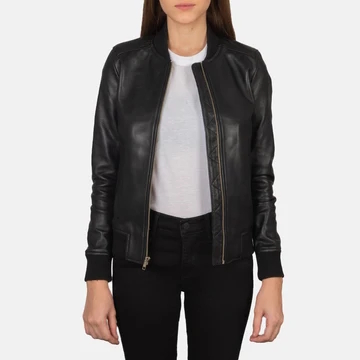
Few garments move as effortlessly between high fashion and everyday wear as the leather jacket. And when it comes to blending Italian craftsmanship with modern design, a Florence leather jacket leads the way – both on the runway and in the streets.

Once a symbol of rebellion, today the leather jacket has been redefined through the lens of Italian heritage. In Florence, where fashion intersects with centuries of artisanal skill, this outerwear staple has evolved into a luxury essential.

A legacy shaped in leather

Florence is globally renowned for its leather artisanship. Within its ateliers, jackets are crafted not by machines, but by the hands of skilled makers who treat each piece as an individual creation. The commitment to high-quality materials and traditional techniques ensures that every garment offers more than just style – it carries a legacy.

The Florence leather jacket is typically made from full-grain, vegetable-tanned leather, chosen for its ability to age beautifully over time. This natural tanning method results in a soft, breathable material that gains character with wear, developing a distinctive patina unique to the wearer.

Among the standout names representing this tradition is Jennifer Tattanelli, a designer whose work embodies the Florentine approach to fashion. With boutiques in Florence and around the world, her collections reflect a commitment to timeless silhouettes, precise tailoring, and luxury materials. The Florence leather jacket is one of her signature pieces – a perfect fusion of traditional Italian leatherwork and cosmopolitan style.

Modern interpretations of a classic form

While rooted in tradition, the modern Florence leather jacket has adapted to the demands of contemporary wardrobes. Designs now range from cropped, minimalist cuts to oversized, structured silhouettes – each maintaining the essential balance between function and form.

What sets the Florentine style apart is its restraint. Instead of excessive hardware or overly distressed finishes, these jackets favor clean lines, high-end linings, and refined details. You’ll find subtle touches like tonal stitching, suede inserts, or matte hardware – features that elevate the garment without overwhelming it.

Jennifer Tattanelli’s approach reflects this evolution perfectly. Her jackets are available in a variety of cuts, textures, and colors, from classic black to rich camel or olive. Each piece is designed to complement a curated wardrobe, making it easy to transition from daywear to evening attire with a single outer layer.

Jennifer Tattanelli also provides personalized services such as the tailor made or bespoke ones, were the jacket will be crafted based only on your own body measurements.

From the workshop to the front row

The Florence leather jacket has made its way from artisan studios to the fashion capitals of the world. On the streets of Paris, Milan, and New York, it’s a recurring feature in both street style photography and off-duty model wardrobes.

What makes it so visible yet so discreet? The answer lies in its versatility. A well-cut leather jacket can be worn over a silk dress or tailored trousers just as easily as over jeans and sneakers. It adapts to the wearer’s style without compromising its identity.

Designers like Jennifer Tattanelli have contributed to this global reach, not only by crafting exceptional jackets but by making them accessible to an international clientele. Her boutiques offer personalized fittings and bespoke detailing, giving clients a chance to own a piece that fits not just their body, but their lifestyle.

A sustainable mindset

Today’s consumers are increasingly looking for fashion that reflects their values. In this sense, the Florence leather jacket aligns naturally with the shift toward quality over quantity.

Many Florentine ateliers, including Tattanelli’s, follow eco-conscious practices, from responsibly sourced leather to low-impact tanning techniques. Jackets are made to last – not just physically, but stylistically. They defy seasonal trends, instead offering a wardrobe foundation that can be worn for years, even decades.

The slow fashion model embraced in Florence encourages thoughtful purchasing, where clients invest in fewer, better pieces. This approach reduces waste and supports artisan economies, all while offering a product that improves with time.

Personal luxury, everyday wear

One of the most appealing aspects of the Florence leather jacket is how personal it becomes. Over time, the leather molds to the wearer’s shape, recording movements and moments. Every crease and subtle variation in tone tells a story.

Customizable elements – such as color, cut, lining, and hardware – allow for further personalization. At Jennifer Tattanelli’s atelier, for example, clients can select specific leather finishes or request monogrammed interiors, turning a fashion item into a personal heirloom.

Yet despite its luxury, the jacket remains grounded in daily use. It’s built for comfort, style, and practicality – ready to be worn on a chilly evening in Florence, during a city commute in New York or a stroll on Worth Avenue in Palm Beach. That’s what makes it such a powerful item: it elevates the everyday without demanding attention.

Sustainable Accessories Elevate Luxury with Eco-Conscious Design

Sustainable accessories elevate luxury with eco-conscious design

Fashion is evolving as sustainable accessories become more prominent. Consumers are increasingly demanding eco-friendly options, prompting the luxury market to innovate. This trend marks a significant shift in how luxury fashion is perceived and valued.

The luxury fashion industry is undergoing a transformative shift with the rise of sustainable accessories. As consumers prioritize eco-conscious choices, designers are integrating sustainable materials into their collections. This change reflects a response to environmental concerns and an evolution in luxury fashion aesthetics. Fashion enthusiasts are embracing pieces like leg warmers designed for warmth and comfort, showcasing the balance between style and sustainability.

Growing demand for eco-friendly luxury accessories

The presence of sustainable accessories at major fashion events is increasing, indicating a broader industry movement towards eco-consciousness. Designers are showcasing collections that feature sustainable materials, captivating audiences with innovation and elegance. You might notice how these events highlight new eco-friendly trends, making sustainability synonymous with luxury.

As you explore these fashion shows, you’ll see an array of accessories crafted from materials like recycled metals and organic fabrics. Designers are not only meeting consumer demands for sustainability but also redefining what it means to be luxurious. The integration of these materials into high-end fashion demonstrates the industry’s commitment to both style and sustainability.

Consumer awareness about environmental impact has reached unprecedented levels, driving a fundamental change in purchasing behavior within the luxury sector. Today’s discerning shoppers are conducting thorough research into brand practices, supply chain transparency, and environmental certifications before making investment purchases. This educated consumer base is willing to pay premium prices for accessories that align with their values, creating a lucrative market segment that luxury brands cannot afford to ignore. The demographic driving this change spans generations, from environmentally conscious millennials to Gen Z consumers who view sustainability as a non-negotiable aspect of their lifestyle choices.

Innovative use of materials and design

The types of materials used in sustainable accessories are diverse, ranging from recycled metals to organic fabrics. Designers are creatively incorporating these elements without compromising on the allure of luxury. For instance, you can find handbags crafted from upcycled leather or jewelry designed with repurposed precious stones.

This innovative approach extends beyond material use, influencing design aesthetics and functionality. By prioritizing sustainability, designers maintain the luxurious appeal of their products while promoting environmental responsibility. This dual focus ensures that the future of fashion remains stylish and sustainable.

Impact of eco-friendly designs on the industry

The shift towards sustainable accessories is reshaping industry standards and practices. Fashion houses are increasingly adopting eco-friendly methods, setting new benchmarks for luxury. This change is met with positive reactions from both critics and enthusiasts who appreciate the blend of innovation and environmental consciousness.

As you consider this trend, you’ll see how these changes influence not only design practices but also consumer expectations. Sustainable accessories signal a commitment to preserving the planet while still providing consumers with products that are both stylish and luxurious. The industry’s embrace of these practices highlights a broader cultural shift towards sustainability.

Future of sustainable luxury fashion

The future of sustainable luxury accessories looks promising, with ongoing innovations likely to drive wider adoption across the fashion industry. Designers are expected to continue exploring new materials and technologies that enhance both sustainability and design aesthetics.

This forward-thinking approach could lead to more accessible eco-friendly options within high fashion, broadening their appeal among consumers who value sustainability. As you consider your own fashion choices, recognizing this trend towards environmentally conscious design can inspire more thoughtful purchasing decisions.

The History of Pajamas: From Fashion to Modern Sleepwear

The History of Pajamas: From Fashion to Modern Sleepwear

You’re sitting in your pajamas right now, maybe reading this while working from home, or perhaps you just put them on for bed.

It’s easy to take pajamas for granted. They’re comfortable. They’re convenient. You don’t think much about where they came from or why they exist.

But the history of pajamas is surprisingly fascinating. These pieces of clothing traveled across continents, changed cultures, transformed from public daywear to private sleepwear, and are now making a comeback as legitimate workwear.

Understanding where your pajamas come from changes how you think about them. They’re not just lazy clothing. They’re the result of centuries of cultural exchange, fashion evolution, and the human desire for comfort.

QUICK FACTS

  • Original Purpose: Daily clothing for men and women in South Asia
  • Where They Started: India
  • When They Became Sleepwear: Early 1900s
  • Current Statistic: 74% of Americans wear pajamas to bed
  • Modern Trend: Many now wear PJs as workwear while working from home
  • Most Popular Materials: Cotton, silk, bamboo viscose, flannel

WHAT ARE PAJAMAS TODAY?

In their current form, pajamas are comfortable sets of nightwear consisting of pants or shorts paired with a matching top. Simple enough.

But comfort is key. Pajamas can be made from any material that feels good against your skin: cotton, silk, flannel, bamboo viscose, or other breathable fabrics. The material matters because it determines how you sleep, how your body regulates temperature, and how long the pajamas last.

Modern pajamas prioritize comfort above all else. That wasn’t always the case.

WHERE PAJAMAS ORIGINALLY CAME FROM

This is where the story gets interesting.

Pajamas didn’t start as sleepwear. They started as everyday clothing worn by men and women in South Asia, specifically India. In that context, the word “pajama” (from the Persian “pāy-jāma,” meaning leg garment) referred to comfortable pants that tied at the waist.

These weren’t bedroom clothes. These were public clothes. Both men and women wore them as part of their daily dress in India and other South Asian countries before the 1600s. They were practical, comfortable, and culturally appropriate.

Then European traders and colonizers encountered them.

HOW PAJAMAS WENT GLOBAL

In the 1600s, a French traveler named Jean de Thevenot mentioned in his travelogue that Portuguese traders wore pajamas when going to bed. This marks one of the earliest known European references to the garment.

The British colonial forces stationed in India fell in love with the comfort of these pants. They brought them back to England, where merchants began selling them as fashionable loungewear. Merchants called them “mogul’s breeches,” marketing them as exotic, comfortable fashion items for the wealthy.

By the 1870s, pajamas became increasingly popular as loungewear for wealthy British gentlemen. They weren’t quite sleepwear yet, they were more like at-home clothing worn in private spaces.

The transformation was happening, though. Comfort was becoming fashionable.

THE EVOLUTION INTO SLEEPWEAR (EARLY 1900S)

Around the early 1900s, pajamas evolved into what we recognize today: matching pants and tops designed specifically for sleeping.

This was a significant shift. Pajamas went from being casual loungewear to dedicated sleepwear. The design became more refined, with bottoms and tops that matched and complemented each other.

For men, this transition happened relatively quickly. By the early 1900s, wearing pajamas to bed became increasingly common among middle and upper-class men, replacing nightshirts as the preferred sleepwear.

Women took a bit longer to adopt them.

PAJAMAS BECOME FASHIONABLE (1930S-MID 20TH CENTURY)

The 1930s marked a turning point. Women in the Western world began wearing pajamas too.

But here’s the interesting part: Hollywood played a huge role. Movie stars began wearing pajamas, and suddenly they weren’t just comfortable sleepwear, they were high fashion. Glamorous women wore luxurious pajamas, sometimes in public or for photographs.

Pajamas became aspirational. If a Hollywood star wore them, everyone wanted them.

Throughout the mid-20th century, pajamas remained popular but stayed primarily in the bedroom. They were what you wore to sleep, and that was that. Some people wore them for special occasions or luxury lounging at home, but they weren’t something you’d wear out in public.

That taboo slowly began to shift, though no one knew it yet.

PAJAMAS RE-ENTER PUBLIC SPACES (EARLY 2000S)

Something interesting started happening in the early 2000s. Pajama pants started appearing in public.

People wore them to run errands, to class, to casual outings. What had been private sleepwear was moving back into public consciousness, but now with a casual, relaxed connotation. Wearing pajamas out was seen as laid-back and comfortable, not fashionable, but acceptable.

This was the beginning of a cultural shift toward valuing comfort over strict dress codes.

THE PAJAMA REVOLUTION (2020S AND BEYOND)

Then the pandemic happened.

Millions of people transitioned to working from home. Suddenly, pajamas weren’t just for sleeping. They were workwear. People attended virtual meetings in pajamas. They spent their entire day in comfortable clothing instead of business attire.

And here’s what happened: they realized they preferred it.

The pandemic normalized something that had been building for years: comfort as a legitimate priority. Pajamas shifted from being “lazy clothing” to being practical, sensible workwear.

Today, 74% of Americans wear pajamas to bed. But increasingly, many are wearing them all day. Working from home in comfortable pajamas has become normalized in ways it never was before.

Pajamas have completed a remarkable journey: from everyday public clothing in South Asia, to exotic loungewear in Europe, to private sleepwear, to Hollywood fashion statement, to public casual wear, to legitimate workwear. They’ve come full circle, essentially, in their comfort and acceptability.

THE PAJAMA TIMELINE

History of Pajamas

WHY THIS HISTORY MATTERS

Understanding where pajamas come from helps you appreciate what they represent: centuries of people valuing comfort.

When you put on pajamas, you’re wearing something with a genuinely global history. You’re wearing clothing that traveled across continents, influenced fashion, and ultimately reflected humanity’s deep need for comfort.

That’s not something to take for granted.

MODERN PAJAMAS: MATERIALS AND COMFORT

Today’s pajamas come in countless materials, and the choice matters.

Cotton pajamas are classic and breathable. Silk pajamas are luxurious and smooth. Flannel pajamas are cozy and warm. And bamboo pajamas offer a unique combination of breathability, moisture-wicking, and thermoregulation, making them ideal for people who want comfort in any season.

The material determines how your body regulates temperature at night, how the fabric feels against your skin, and how long the pajamas last. In the context of pajamas’ history, where comfort has always been the driving force, choosing high-quality materials makes sense.

Your pajamas should reflect the same comfort-first philosophy that drove their creation centuries ago.

PAJAMAS FOR EVERY OCCASION

While most people think of pajamas as sleepwear, modern pajamas serve multiple purposes.

They’re sleepwear for rest and recovery. They’re loungewear for relaxing at home. They’re workwear for remote workers. And for special occasions, they’re even considered fancy. Luxury bridal pajamas are a popular choice for the night before a wedding: comfortable, elegant, and practical for looking good while staying comfortable.

The versatility of pajamas reflects how far they’ve come from simple South Asian drawstring pants. They’re now a wardrobe staple that serves different purposes for different people.

HONORING THE HISTORY

The next time you put on pajamas, remember their journey.

You’re wearing something created by people who valued comfort enough to wear it in public. You’re wearing clothing influenced by centuries of cultural exchange. You’re participating in a tradition that spans continents and centuries.

Whether you sleep in them, work in them, or lounge in them, your pajamas represent humanity’s enduring commitment to comfort. That’s worth appreciating.

For quality pajamas that honor this history of comfort, visit Cozy Earth and discover sleepwear designed for the modern comfort revolution.

FREQUENTLY ASKED QUESTIONS

Q: Why were pajamas originally called “mogul’s breeches”?

A: Colonial British merchants used this name to market them as exotic, luxurious items inspired by Indian royalty (“mogul” referring to the Mughal Empire).

Q: When did pajamas become popular for women?

A: The 1930s, largely influenced by Hollywood actresses who wore them and made them fashionable.

Q: Are pajamas different from loungewear?

A: Technically, loungewear is a broader category that includes pajamas, but pajamas specifically refer to matching pants and tops designed for sleeping.

Q: Why did pajamas become workwear?

A: The shift to remote work during the pandemic normalized wearing comfortable clothing while working. People realized comfort didn’t compromise productivity.

Q: What material is best for pajamas?

A: It depends on your needs. Cotton is classic, silk is luxurious, flannel is warm, and bamboo viscose offers excellent temperature regulation and moisture-wicking.

Q: Are there different pajama styles?

A: Yes. Some are button-up tops with pants, some are pullover tops, some have shorts instead of pants, and some are more fitted while others are loose and relaxed.

Q: Why did it take so long for pajamas to become acceptable as public wear?

A: Cultural norms around appropriate public clothing were strict. It took the casual culture of the 2000s and the normalization of remote work to shift attitudes about comfort.

Prescription Glasses Guide: How to Choose the Right Frames for You

Prescription Glasses Guide: How to Choose the Right Frames for You

Getting a new eyeglass prescription doesn’t have to be boring. Your glasses aren’t just a medical device; they’re part of how you look and how you feel about yourself.

The problem: most people walk into an optometrist’s office, grab whatever is in the display case, and call it done. Then they spend the next year wearing frames they don’t actually like.

That’s a waste.

Your prescription glasses can be stylish, actually flattering to your face, and come with real features that make your eyes more comfortable. You don’t have to choose between looking good and seeing clearly. You can have both.

This guide walks you through exactly how to find prescription glasses you’ll love, the kind you’ll actually want to wear.

QUICK REFERENCE TABLE

Prescription Glasses Guide: How to Choose the Right Frames for You

STEP 1: KNOW YOUR FACE SHAPE (IT MATTERS MORE THAN YOU THINK)

When you’re picking glasses, face shape is your north star. It determines whether frames will look balanced or weird.

There are four main face shapes: round, square, oval, and heart-shaped.

  • Round faces benefit from angular frames. Square shapes break up the softness of your face and add definition. Try rectangular or geometric styles.
  • Square faces work better with rounder frames. Circles, cat eyes, or rounded rectangles soften your jawline and balance out your strong angles.
  • Oval faces are the lucky ones; anything works. You can experiment more freely because your face is already proportional.
  • Heart-shaped faces (wider forehead, narrower chin) benefit from frames that are wider at the bottom. Aviators and cat eyes work well here.

These aren’t hard rules. They’re guidelines that usually point you in the right direction. But the most important thing is that the frames feel right when you wear them.

Also consider frame size. If you’ve always felt like options are oversized, you’re not alone. Some people need standard sizing, some need minis, some need low-bridge fits. Sizing matters just as much as shape.

The easiest way to figure this out? Use a Virtual Try-On Tool. You can see what different shapes and sizes actually look like on your face before you commit.

STEP 2: CHOOSE YOUR STYLE (THIS IS WHERE YOU HAVE FUN)

Once you know your face shape, it’s time to pick a style that speaks to you.

There are tons of options: rounds, squares, cat eyes, aviators, shields, pantos, geometrics, and more. You’re not limited to boring choices.

Cat eyes are having a huge moment, and they work on most face shapes when sized right. They add personality and sophistication.

Aviators are timeless for a reason. You might want a matching pair of polarized aviator sunglasses for everyday wear. They work for men and women and fit most face shapes.

Rounds are retro-cool and work exceptionally well for square or angular faces.

Geometric and geometric-ish frames are trendy right now and add character without being too bold.

Color matters, too. Some people stick with neutrals, tortoise, black, and crystal clear. Others go bold with pink, blue, or deep jewel tones. You don’t have to pick a safe color. Pick what makes you happy. You’re looking at these frames every day.

And the details? Luxe gold embellishments, two-toned frames, interesting bridge designs, these small touches can elevate a frame from basic to “wow, where’d you get those?”

STEP 3: UNDERSTAND YOUR PRESCRIPTION

Before you order, you need three things from your eye doctor: your prescription, your pupillary distance, and confirmation that your prescription is current (usually valid for 1-2 years).

What’s in Your Prescription?

Your prescription looks something like this:

  • Sphere (SPH): Your main prescription (-3.50, +2.00, etc.)
  • Cylinder (CYL): Correction for astigmatism
  • Axis: The angle of astigmatism correction
  • Pupillary Distance (PD): The distance between your pupils

Online retailers like Quay fill single-vision prescriptions ranging from +4 to -6, with astigmatism up to ±4. Single vision means one prescription strength throughout the entire lens, whether you’re correcting distance vision, intermediate, or reading.

Finding Your Pupillary Distance

Pupillary distance is the distance from the center of one pupil to the center of the other. This is critical because it tells the lab where to center your prescription on your lenses.

Some optometrists write it on your prescription. If yours didn’t, you can measure it yourself:

  1. Grab a ruler
  2. Align the zero mark with the center of one pupil
  3. Measure to the center of your other pupil
  4. That number in millimeters is your PD

It should be somewhere between 54mm and 74mm. If your number seems way off, measure again.

You can also use a Virtual Try-On Tool to measure your PD with your phone camera. It takes about 30 seconds.

STEP 4: THINK ABOUT LENS FEATURES

Once you’ve picked your frames, you need to think about what’s happening with your lenses.

Lens Thickness Matters

If you have a stronger prescription (especially a harmful one), thicker lenses become more noticeable, especially with thin or delicate frames. High-index lenses are thinner and lighter than standard polycarbonate lenses. They use less material, so your glasses look better and feel more comfortable to wear.

The good news: Quay includes high-index lenses at no extra charge. You’re not paying extra for better aesthetics and comfort.

Blue Light Protection

Blue light is high-energy visible light (HEV) emitted from digital screens. For some people, it’s associated with disrupted sleep and eye strain, which people call “digital eye fatigue.”

All Quay prescription lenses come in a wide range of trendy sunglasses for women styles with blue light technology that filters out specific HEV wavelengths. If you spend 8+ hours a day looking at screens (phone, computer, tablet), this actually makes a difference.

Coatings

Your lenses come standard with:

  • Anti-reflective coating: Reduces glare and reflections
  • Scratch-resistant coating: Protects against daily wear
  • Smudge-resistant coating: Makes cleaning easier
  • 100% UVA/UVB protection: Protects your eyes from sun damage

None of these cost extra. They’re just included.

STEP 5: ORDER AND DOUBLE-CHECK EVERYTHING

When you’re ready to order, here’s what you need:

  1. Unexpired prescription (usually valid for 1-2 years)
  2. Pupillary distance (measured or from your optometrist)
  3. Frame choice (size and color)
  4. Lens preferences (already selected, blue light, high-index, coatings)

Upload your prescription to the Quay’s website. Double-check your PD. Confirm your frame size. Hit order.

The entire process takes 5 minutes if you already have your information ready.

FREQUENTLY ASKED QUESTIONS

Q: How do I know if I’m ordering the right size?

A: Face shape and the Virtual Try-On Tool are your best friends. Measure your current glasses if you have ones that fit well. Or order once, try them on, and if the size is wrong, return them and order again.

Q: Will my prescription glasses actually look good?

A: Yes, if you pick a frame style that works for your face shape. The Virtual Try-On Tool shows you exactly what the frames look like on your face before you commit money.

Q: Do I really need blue light protection?

A: If you spend all day on screens, yes. It’s free. Your eyes will feel less tired at the end of the day.

Q: Can I order prescription sunglasses, too?

A: Yes. Same process. Pick a sunglass frame style, upload your prescription, and get tinted prescription sunglasses.

Q: How often should I get a new prescription?

A: Generally every 1-2 years, or whenever you notice your vision changing. If you’re having trouble seeing the board at work or can’t read clearly, that’s a sign to get checked.

Why Suits Didn’t Die When Everything Else Became a Hoodie

Why Suits Didn't Die When Everything Else Became a HoodieSomething weird happened. Everyone decided looking professionally disheveled was the new normal. Hoodies at investor meetings. Sweatpants on flights. The entire concept of “dressing up” supposedly became obsolete. But tailored clothing didn’t disappear, it just stopped apologizing for existing.

Men didn’t abandon suits because they were outdated, they abandoned bad suits because they finally had options. The stiff, boxy, uncomfortable garbage that made you feel like you were wearing cardboard? That deserved to die. But a well-cut blazer that fits and moves with you? Completely different thing.

The Rules That Quietly Died

Traditional suiting was genuinely oppressive. Navy or charcoal only, never brown. Ties weren’t optional. Pocket squares folded in specific approved ways like some corporate origami ritual. The whole system felt designed to strip personality rather than express it.

Modern tailoring just started ignoring these rules until they became irrelevant. Designers kept the craft, the precision, the quality construction, but ditched the suffocating formality. Now you see blazers that actually let you breathe, trousers that move naturally, fabrics that feel good instead of trapping heat. You can wear a beautifully made jacket over a faded t-shirt and it works because the jacket carries enough weight to elevate everything around it.

Italian fashion houses figured this out faster, probably because they never fully bought into the Anglo-American corporate uniform concept. Versace’s men’s designer blazers and tailored suits demonstrate this evolution, pieces built with traditional techniques but designed for guys who grab coffee, catch flights, and meet friends all in the same outfit. Not because they’re lazy, but because the clothing works across contexts without looking wrong anywhere.

Why Fit Suddenly Matters More

Here’s the irony: as casualwear conquered everything, the bar for formal pieces actually rose. When everyone wore suits by default, a mediocre one could hide. Now a poorly fitted blazer stands out immediately, not charming, just noticeably wrong.

The margins got tighter. Shoulders need to hit exactly where your shoulders end. Sleeve length can’t be approximate. Trousers need to taper without bunching. These details determine whether you look intentional or accidental, with no middle ground.

Fabric quality became impossible to hide too. Cheap material announces itself through how it moves and wrinkles. Premium fabrics respond to your body instead of fighting it, they drape naturally, recover from creasing, adapt to temperature. Once you’ve experienced both, the difference is undeniable.

Why Suits Didn't Die When Everything Else Became a Hoodie

What Actually Changed

The old categories collapsed. Work clothes versus weekend clothes, formal versus casual, these divisions stopped making sense. A well-cut blazer works at Tuesday meetings and Saturday dinners. The same jacket looks sharp with matching trousers or works over jeans. The garments didn’t lose formality, the situations became more fluid.

There’s real psychology behind proper fit. When nothing pulls or bunches, your posture improves, your stride lengthens, you make better eye contact. It’s not vanity, it’s removing obstacles. Bad clothing creates constant irritation that shows as insecurity. Good clothing disappears from awareness, freeing mental energy for everything else.

Quality reveals itself through time. A decent suit might look fine initially, but months later the fabric pills and seams pucker. Premium pieces improve through wear, fabric molds to your body, natural creasing appears logically, the garment develops character instead of deteriorating. The math works when you think past immediate price tags.