The culinary industry has always valued practicality, hygiene, and professionalism when it comes to workwear. However, contemporary fashion is transforming how chefs and kitchen professionals dress. Modern culinary clothing now combines functionality with stylish designs, comfortable fabrics, and innovative features. As fashion trends continue to evolve, professional kitchen uniforms are becoming more versatile, expressive, and suitable for demanding working environments.
The Evolution of Traditional Chef Uniforms
Traditional chef uniforms were designed primarily for protection and practicality. Classic white jackets, loose-fitting trousers, and tall chef hats represented professionalism and cleanliness in commercial kitchens. Although these garments remain important, modern chefs increasingly prefer clothing that reflects contemporary fashion while maintaining essential workplace functionality.
Today, culinary uniforms feature streamlined silhouettes, updated cuts, and a wider selection of colors. These changes allow chefs to maintain a polished appearance without sacrificing comfort or mobility during busy shifts.
Modern Fashion Trends in Chef Jackets
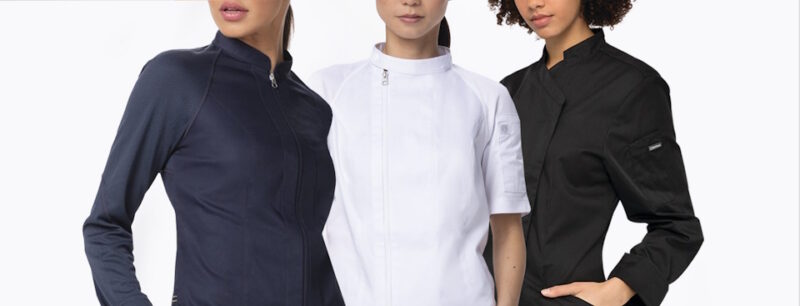
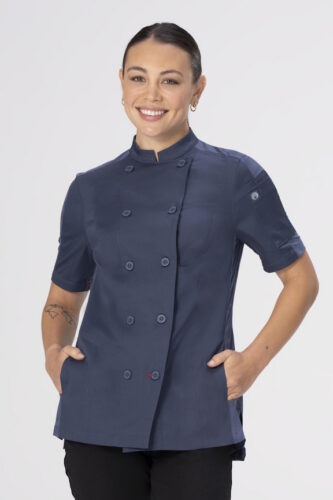
One of the most noticeable changes in culinary clothing is the transformation of chef jackets. Contemporary designs incorporate fashion-inspired details such as tailored fits, minimalist styling, and modern color palettes.
Many kitchen professionals now explore modern chef jackets for professional kitchens that combine practical construction with contemporary aesthetics. These jackets offer chefs opportunities to express their personal style while maintaining the professional appearance expected in commercial kitchens. Features such as concealed buttons, breathable panels, and lightweight materials also contribute to the growing popularity of modern culinary jackets.
Comfort and Performance Take Center Stage
Contemporary fashion increasingly prioritizes comfort, and this influence is particularly important in professional kitchens. Chefs often work long hours in warm environments, making breathable fabrics and flexible designs essential.
Modern culinary clothing frequently incorporates moisture-managing materials, stretch fabrics, and ergonomic construction. These features help professionals move comfortably while performing tasks that require constant activity. Adjustable waistbands, practical pockets, and lightweight textiles further improve everyday convenience. By combining performance-focused features with fashionable designs, manufacturers create uniforms that support demanding culinary careers.
Personal Style and Professional Identity
Fashion has become an important form of self-expression, and culinary professionals are embracing this approach through their workwear choices. Instead of relying exclusively on traditional white uniforms, many chefs choose black, grey, navy, or other contemporary colors. Restaurants may also select coordinated uniforms that complement their branding and interior design.
Modern cuts and subtle design details allow kitchen teams to create distinctive appearances while maintaining consistency and professionalism. This balance between individuality and workplace identity is becoming increasingly valuable across the hospitality industry.
Sustainability and Responsible Fashion Choices
Sustainability is another contemporary fashion trend influencing professional culinary clothing. As awareness of environmental concerns grows, some manufacturers are exploring recycled materials, responsibly sourced fabrics, and more durable garment construction. Long-lasting uniforms can help reduce frequent replacements, while thoughtful material choices may support more responsible purchasing decisions. For restaurants and culinary professionals, investing in durable, comfortable clothing can provide both practical and environmental benefits.
The Future of Culinary Fashion
Contemporary fashion is reshaping professional culinary clothing by bringing together style, comfort, and innovation. From tailored chef jackets to performance-focused fabrics, modern uniforms reflect the changing expectations of kitchen professionals.
As culinary workplaces continue evolving, fashionable yet functional clothing will remain essential.