Tag: eco-friendly fashion

From Atelier to Street Style: The Rise of the Florence Leather Jacket

From Atelier to Street Style: The Rise of the Florence Leather Jacket
Few garments move as effortlessly between high fashion and everyday wear as the leather jacket. And when it comes to blending Italian craftsmanship with modern design, a Florence leather jacket leads the way – both on the runway and in the streets.

Once a symbol of rebellion, today the leather jacket has been redefined through the lens of Italian heritage. In Florence, where fashion intersects with centuries of artisanal skill, this outerwear staple has evolved into a luxury essential.

A legacy shaped in leather

Florence is globally renowned for its leather artisanship. Within its ateliers, jackets are crafted not by machines, but by the hands of skilled makers who treat each piece as an individual creation. The commitment to high-quality materials and traditional techniques ensures that every garment offers more than just style – it carries a legacy.

The Florence leather jacket is typically made from full-grain, vegetable-tanned leather, chosen for its ability to age beautifully over time. This natural tanning method results in a soft, breathable material that gains character with wear, developing a distinctive patina unique to the wearer.

Among the standout names representing this tradition is Jennifer Tattanelli, a designer whose work embodies the Florentine approach to fashion. With boutiques in Florence and around the world, her collections reflect a commitment to timeless silhouettes, precise tailoring, and luxury materials. The Florence leather jacket is one of her signature pieces – a perfect fusion of traditional Italian leatherwork and cosmopolitan style.

Modern interpretations of a classic form

While rooted in tradition, the modern Florence leather jacket has adapted to the demands of contemporary wardrobes. Designs now range from cropped, minimalist cuts to oversized, structured silhouettes – each maintaining the essential balance between function and form.

What sets the Florentine style apart is its restraint. Instead of excessive hardware or overly distressed finishes, these jackets favor clean lines, high-end linings, and refined details. You’ll find subtle touches like tonal stitching, suede inserts, or matte hardware – features that elevate the garment without overwhelming it.

Jennifer Tattanelli’s approach reflects this evolution perfectly. Her jackets are available in a variety of cuts, textures, and colors, from classic black to rich camel or olive. Each piece is designed to complement a curated wardrobe, making it easy to transition from daywear to evening attire with a single outer layer.

Jennifer Tattanelli also provides personalized services such as the tailor made or bespoke ones, were the jacket will be crafted based only on your own body measurements.

From the workshop to the front row

The Florence leather jacket has made its way from artisan studios to the fashion capitals of the world. On the streets of Paris, Milan, and New York, it’s a recurring feature in both street style photography and off-duty model wardrobes.

What makes it so visible yet so discreet? The answer lies in its versatility. A well-cut leather jacket can be worn over a silk dress or tailored trousers just as easily as over jeans and sneakers. It adapts to the wearer’s style without compromising its identity.

Designers like Jennifer Tattanelli have contributed to this global reach, not only by crafting exceptional jackets but by making them accessible to an international clientele. Her boutiques offer personalized fittings and bespoke detailing, giving clients a chance to own a piece that fits not just their body, but their lifestyle.

A sustainable mindset

Today’s consumers are increasingly looking for fashion that reflects their values. In this sense, the Florence leather jacket aligns naturally with the shift toward quality over quantity.

Many Florentine ateliers, including Tattanelli’s, follow eco-conscious practices, from responsibly sourced leather to low-impact tanning techniques. Jackets are made to last – not just physically, but stylistically. They defy seasonal trends, instead offering a wardrobe foundation that can be worn for years, even decades.

The slow fashion model embraced in Florence encourages thoughtful purchasing, where clients invest in fewer, better pieces. This approach reduces waste and supports artisan economies, all while offering a product that improves with time.

Personal luxury, everyday wear

One of the most appealing aspects of the Florence leather jacket is how personal it becomes. Over time, the leather molds to the wearer’s shape, recording movements and moments. Every crease and subtle variation in tone tells a story.

Customizable elements – such as color, cut, lining, and hardware – allow for further personalization. At Jennifer Tattanelli’s atelier, for example, clients can select specific leather finishes or request monogrammed interiors, turning a fashion item into a personal heirloom.

Yet despite its luxury, the jacket remains grounded in daily use. It’s built for comfort, style, and practicality – ready to be worn on a chilly evening in Florence, during a city commute in New York or a stroll on Worth Avenue in Palm Beach. That’s what makes it such a powerful item: it elevates the everyday without demanding attention.

Sustainable Accessories Elevate Luxury with Eco-Conscious Design

Sustainable accessories elevate luxury with eco-conscious design

Fashion is evolving as sustainable accessories become more prominent. Consumers are increasingly demanding eco-friendly options, prompting the luxury market to innovate. This trend marks a significant shift in how luxury fashion is perceived and valued.

The luxury fashion industry is undergoing a transformative shift with the rise of sustainable accessories. As consumers prioritize eco-conscious choices, designers are integrating sustainable materials into their collections. This change reflects a response to environmental concerns and an evolution in luxury fashion aesthetics. Fashion enthusiasts are embracing pieces like leg warmers designed for warmth and comfort, showcasing the balance between style and sustainability.

Growing demand for eco-friendly luxury accessories

The presence of sustainable accessories at major fashion events is increasing, indicating a broader industry movement towards eco-consciousness. Designers are showcasing collections that feature sustainable materials, captivating audiences with innovation and elegance. You might notice how these events highlight new eco-friendly trends, making sustainability synonymous with luxury.

As you explore these fashion shows, you’ll see an array of accessories crafted from materials like recycled metals and organic fabrics. Designers are not only meeting consumer demands for sustainability but also redefining what it means to be luxurious. The integration of these materials into high-end fashion demonstrates the industry’s commitment to both style and sustainability.

Consumer awareness about environmental impact has reached unprecedented levels, driving a fundamental change in purchasing behavior within the luxury sector. Today’s discerning shoppers are conducting thorough research into brand practices, supply chain transparency, and environmental certifications before making investment purchases. This educated consumer base is willing to pay premium prices for accessories that align with their values, creating a lucrative market segment that luxury brands cannot afford to ignore. The demographic driving this change spans generations, from environmentally conscious millennials to Gen Z consumers who view sustainability as a non-negotiable aspect of their lifestyle choices.

Innovative use of materials and design

The types of materials used in sustainable accessories are diverse, ranging from recycled metals to organic fabrics. Designers are creatively incorporating these elements without compromising on the allure of luxury. For instance, you can find handbags crafted from upcycled leather or jewelry designed with repurposed precious stones.

This innovative approach extends beyond material use, influencing design aesthetics and functionality. By prioritizing sustainability, designers maintain the luxurious appeal of their products while promoting environmental responsibility. This dual focus ensures that the future of fashion remains stylish and sustainable.

Impact of eco-friendly designs on the industry

The shift towards sustainable accessories is reshaping industry standards and practices. Fashion houses are increasingly adopting eco-friendly methods, setting new benchmarks for luxury. This change is met with positive reactions from both critics and enthusiasts who appreciate the blend of innovation and environmental consciousness.

As you consider this trend, you’ll see how these changes influence not only design practices but also consumer expectations. Sustainable accessories signal a commitment to preserving the planet while still providing consumers with products that are both stylish and luxurious. The industry’s embrace of these practices highlights a broader cultural shift towards sustainability.

Future of sustainable luxury fashion

The future of sustainable luxury accessories looks promising, with ongoing innovations likely to drive wider adoption across the fashion industry. Designers are expected to continue exploring new materials and technologies that enhance both sustainability and design aesthetics.

This forward-thinking approach could lead to more accessible eco-friendly options within high fashion, broadening their appeal among consumers who value sustainability. As you consider your own fashion choices, recognizing this trend towards environmentally conscious design can inspire more thoughtful purchasing decisions.

How to Choose Safer Fabrics for Your Family?

How to Choose Safer Fabrics for Your FamilyWe often link risks like skin irritations or rashes with fabrics, but the dangers go beyond that. Many commonly used fabrics, especially in children’s clothing, can contain harmful chemicals that pose serious long-term health risks. These chemicals like flame retardants and pesticides, can have harmful effects on your family members.

In this article, let’s see how we can identify safer fabrics for your clothing, bedding, and other household textiles.

The Dangers of Harmful Chemicals in Fabrics

Most of us are unaware of the risks that fabrics may carry. Many a time, chemicals are used to improve fabrics’ durability, wrinkle resistance, or water-repellency.  These same chemicals can get absorbed into the skin, cause allergic reactions, and sometimes long-term health problems.

Some of the most common chemicals found are as follows.

  • Formaldehyde is a well-known carcinogen that’s commonly used to make fabrics wrinkle-free. It can irritate the skin and eyes, and when inhaled it can also cause respiratory problems.
  • Flame Retardants: These chemicals are often found in children’s clothing to fulfill fire safety standards. However, studies have shown that these chemicals can disrupt hormonal systems and harm brain development.
  • Pesticides: Cotton is one of the most pesticide-loaded crops in the world, and these chemicals can remain on fabrics long after manufacturing. Pesticides can have health impacts such as impaired immunity, respiratory disorders, neurotoxicity, and acute effects like burning, itching, and headaches.

The developing immune and nervous systems of children are vulnerable to these chemicals. This makes it very crucial for parents to make fabric choices mindfully and consciously.

Choosing Safer Fabrics for Your Family’s Health

Choosing clothes, bedding, or home textiles mindfully becomes easier when you know what to look for and what to avoid. Here are some tips to use safe fabrics for your family.

  1. Natural Fibers are good: Fabrics like organic cotton, wool, and hemp are naturally free from harmful chemicals. These materials do not require chemical-heavy farming practices, and therefore reduce chemical exposure.
  2. Look for Non-Toxic Labels: All products don’t have certifications. But it is possible to look for labels that say “GOTS Certified Organic” or “OEKO-TEX Standard 100”. These mean that the fabrics have been tested and are safe for prolonged skin contact.
  3. Choose Undyed or Naturally Dyed Fabrics: Dyes used to color fabrics can contain harmful substances as well. Opt for undyed fabrics or those dyed with natural substances.
    Some reactive dyes are known to be respiratory sensitizers. They can not only cause occupational asthma but also once sensitized, a person may suffer from allergic symptoms even on re-exposure to small amounts.
  4. Avoid Flame Retardants and Waterproof Treatments: Many flame-retardant and waterproof treatments contain harmful chemicals like PFAS. You can check the product label to make sure that the fabrics have not been treated with these chemicals.
  5. Wash New Clothes Before Use: As a general rule, always wash new clothes before wearing them, especially if you have babies. This helps reduce any chemicals from the manufacturing and dyeing processes still lingering on the clothes and fabrics.

These tips can help you reduce toxic chemicals your family may be exposed to. But this is only the beginning. The market is ever-growing and with that different chemicals keep getting introduced into our household products.

As a parent and a consumer, it becomes extremely important that you understand why you should be careful with every fabric you buy. Let’s understand why and how this impacts your family’s long-term well-being.

Choosing Safer Fabrics Is Only One Piece of the Puzzle

In today’s world, chemicals are simply everywhere. From the food we eat to the products we use, and even the clothes we wear. This continued exposure can have long-lasting effects on our health.

Especially for children, these chemicals can have adverse impacts. When a child is surrounded by chemicals, they are bound to be negatively impacted.

Chemicals in Fabrics

Let’s talk about fabrics first. As we read, wrinkle or stain-resistant clothes are often infused with formaldehyde, a carcinogenic substance. Along with skin irritation and respiratory issues, it is also linked to cancer with prolonged exposure.

It is important to note that it can persist in your child’s clothing long after they’ve been bought. This is a reminder to carefully assess what fabrics your family comes in contact with.

Toxins in Baby Foods

The threats, however, don’t stop here. Our food supply is just as infiltrated with toxic substances, from pesticides on produce to preservatives in processed foods. Day in and day out you see concerned parents raise their voices against the makers of edible products for children.

A notable example is the lawsuit against certain cow milk based baby formula brands, claiming that the product increased the risk of Necrotizing Enterocolitis (NEC). NEC can cause long-lasting health issues like developmental delays or digestive problems. Along with this, families have to face immense financial and emotional stress while caring for their children.

The NEC lawsuit payout, an estimated average between $50,000 to $500,000 per person, is one of the many settlements that such manufacturers make and move on to continue offering such products.

It is extremely important that we be aware as well as spread this knowledge to others, not only to empower consumers but also to collectively put pressure on the makers to become better. With regards to the NEC case, TorHoerman Law mentions that these legal actions can bring about changes in how these products are marketed and used in hospitals.

Harmful Substances in Hygiene Products

Secondly, many baby hygiene products such as lotions and shampoos, often contain harmful chemicals like phthalates. Phthalates are used to make plastics more flexible. However, phthalates have been strongly linked with hormonal disruption in children.

Additionally, because babies’ skin is more absorbent, they are more vulnerable to the negative effects of this substance. The exposure to these chemicals in day-to-day products is a growing concern for parents and demands attention.

Choosing fabrics for your family isn’t just about comfort and style anymore. It’s about safety and protecting their health. Harmful chemicals can be living in the very clothing your family wears, the sheets they sleep on, and the towels you use every day.

By being mindful of the products you buy, you can significantly reduce the risks posed by toxic materials. Take a few steps now to avoid long-term health risks for your family.

Sustainable Fashion: “Your Are IQ” Hits the New York Runway

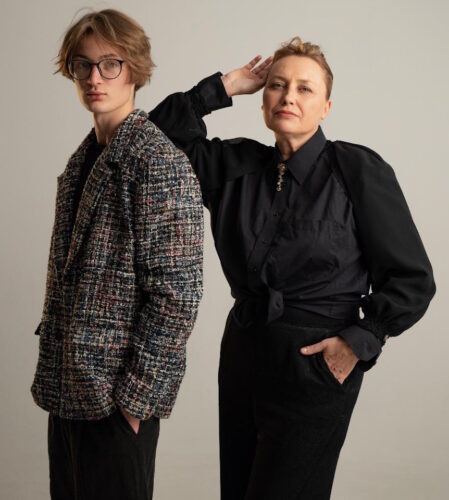
Designer David Demovic and Monika Lacekova, Atelier71 Founding Designer and +421 Foundation Fashion Director
Designer David Demovic and Monika Lacekova, Atelier71 Founding Designer and +421 Foundation Fashion Director.

Rising design star David Demovic has partnered with fashion powerhouse Monika Lacekova to create the You are IQ sustainable waste-to-fashion collection under the Atelier 71 brand. The innovative designs will be presented on the runway during Couture Fashion Week New York’s 40th season. The highly-anticipated fashion show will be held at 6 pm on Saturday September 14, 2024 at the iconic Angel Orensanz Foundation, a New York City Historic Landmark.

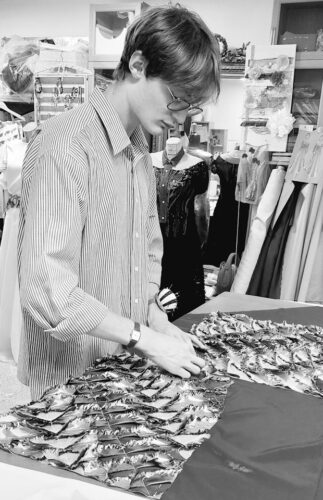
Designer David Demovic working on the "You are IQ" sustainable collection
Designer David Demovic working on the “You are IQ” sustainable collection.

Monika Lacekova is the founder of Atelier 71, a fashion designer, visual artist, and educator. David Demovic is a laureate of the Glass Button Awards Slovakia as the “New Designer of the Year” sponsored by the +421 Foundation New York and Atelier 71. The Glass Button Awards (GBA) granted David an artistic residency at Atelier 71 and a presentation of his work at Couture Fashion Week New York.

Mr. Demovic’s debut collection highlights the trend that prevails in our consumer society: buying cheaply and excessively. Under the leadership of Monika Lacekova at Atelier 71, he was inspired to transform used clothes into new looks, working with the original garment, and altering the fabric within, in an upcycling process. Together they introduced an original innovation entitled You are IQ. It is based on the sustainable waste-to-fashion principle, turning fashion waste into fabulous new fabrics and garments. 

Atelier 71

Atelier 71 is a craft house, focusing on fashion design, where creativity reigns. It is a place to learn, create and connect. It was established by the Mola Couture designer Monika Lacekova, the true artist and educator, who has been working in the field of textile design for 30 years. Atelier 71 puts an emphasis on hand-made design and is involved in numerous projects to restore and preserve true craftsmanship. The team’s focus includes artistic embroidery, making of hats and accessories and textile recycling – just to name a few – supporting the new generation of artists and fashion designers, like David Demovic.

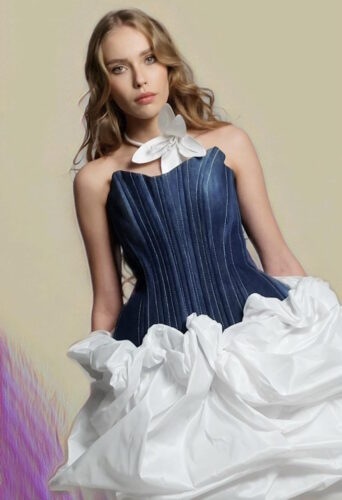
Upcycled denim haute couture design by David Demovic for Atelier 71
Upcycled denim haute couture design by David Demovic for Atelier 71.

Plus421 Foundation New York

The +421 Foundation is a non-profit organization established in 2006 with offices in New York,  the United States and Bratislava, Slovakia. It pursues a mission of enhancing mutual understanding; relations between the American and Slovak people by showcasing the cultural richness of Slovakia to diverse audiences, and by creating opportunities for mutually beneficial interaction in the cultural sphere and beyond. The name of the organization derives from the international telephone calling code for Slovakia, which is +421. The organization works to generate visibility for Slovak arts, culture, and various charitable causes through art exhibitions, performances, educational workshops, and cultural events around the world.

Couture Fashion Week New York

Now entering its 40th consecutive season, Couture Fashion Week is one of the most prestigious fashion events in New York. Hundreds of exceptional designers from around the globe have shown their designs on the CFW runways to consistently enthusiastic receptions from audiences of fashion-loving consumers, international press, VIPs and members of the trade. Founded by designer and producer Andres Aquino, the event is known for presenting great fashion designers along with world-class performers.

Click for tickets and more information.

By Sarasty Brings Luxury Eco-Friendly Designs to Couture Fashion Week New York

Designer Camila Sarasty will present the latest creations for her By Sarasty label during Couture Fashion Week New York’s 37th season. The fashion show will be held at 6:00 pm on Sunday February 5, 2023 at the historic Prince George Ballroom in New York City.
A native of Colombia, Camila Sarasty is a professional in Fashion Design and Marketing, and a graduate of the prestigious Arturo Tejada Cano design and fashion school. She is the creative director of her own By Sarasty brand, which focuses on versatile, luxury, handmade garments, suitable for a wide range of occasions. Her signature pashminas and bandanas are fresh and light, highlighting the intrinsic beauty of women. By Sarasty has shown at New York Fashion Week and has been featured in press worldwide. Her beautiful designs have garnered a large enthusiastic clientele. With an environmentally conscious mission, all By Sarasty designs are made with recycled fabrics with water or digital printing.

By Sarasty is working to become a transformational fashion brand. “I want to impact people’s lives by offering something different: handmade luxury pieces that connect on a physical and personal level in any part of the world,” says Camila Sarasty.

Click for tickets and more information.


Opera Recycles Presented by Opera Carolina is Eco-Friendly Fashion

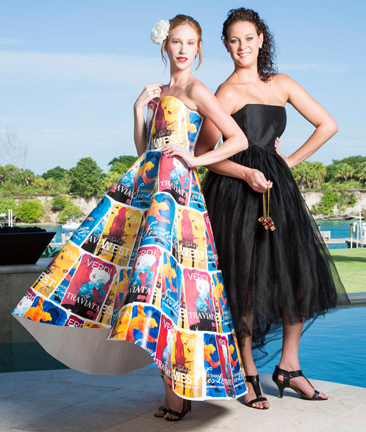
Opera Recycles presented by Opera Carolina eco-friendly fashion show at Couture Fashion Week NYOpera Recycles presented by Opera Carolina will show a special eco-friendly fashion collection during Couture Fashion Week New York‘s 26th season. The highly anticipated runway show will be held at 4:00 pm on Saturday September 9, 2017 in the Broadway Ballroom of the Crowne Plaza Times Square Manhattan, 1605 Broadway, New York City.

Based in Charlotte, North Carolina, Opera Carolina has been a prestigious community institution for over 40 years. In 2015 Opera Carolina launched a new recycling initiative, Opera Recycles, with the intent to put outdated and extraneous printed marketing collateral to a creative and beautiful use. Since the initiative launched, more than 10,500 items of marketing material have been converted into eco-friendly fashion pieces. Through this initiative, Opera Carolina demonstrates its commitment to environmental consciousness and creative thinking. This innovative and strategic effort fosters interest and awareness in Opera Carolina as a cultural Charlotte institution and encourages creative and out-of-the-box thinking in regards to environmental problems facing organizations today.

Designers for the Opera Recycles initiative include both local and non-local artists. Keeping local artists engaged is an important part of the Opera Recycles initiative as it provides cross-promotional opportunities for the designers as well as Opera Carolina. The Opera Recycles initiative generates excitement for the upcoming Opera season as well as creative solutions to environmental problems. Last year, Opera Recycles participated in Couture Fashion Week during New York Fashion Week, featuring a dress designed by Garbage Gone Glam. This year, Opera Recycles was invited back to CFW to produce its very own fashion show featuring its whole collection. Opera Recycles will also be partnering again with local fashion organization, Charlotte Seen, and feature its dresses for 2017/18 at the Charlotte Fashion Week in September.

Click for tickets and more information.