Category: Women’s Fashion

How to Choose a Wedding Guest Dress That Looks Good in Real Life

A good wedding guest dress has to do more than look beautiful on a hanger. It needs to respect the occasion, feel comfortable through a long day, photograph well, and still feel like something you would genuinely choose for yourself. That is why the best wedding guest outfits usually start with a few practical questions before color, trend, or brand even enter the conversation.

The goal is not to be the most noticeable person in the room. It is to look considered. A dress that fits the setting, moves naturally, and gives you confidence will usually feel more elegant than something chosen only because it is dramatic.

How to Choose a Wedding Guest Dress That Looks Good in Real Life
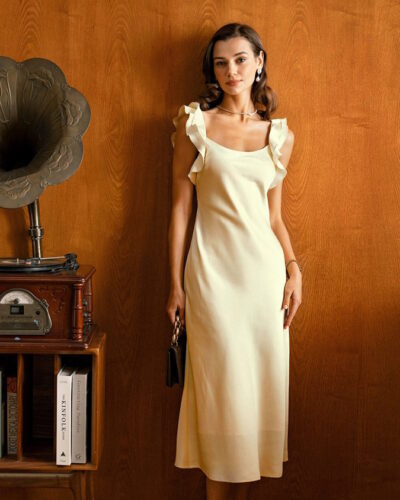
RIHOAS Yellow Square Neck Ruffle Satin Midi Dress

Start With the Invitation, Not the Dress

The invitation usually gives you the first useful clues. Black tie, formal, cocktail, garden, beach, city hall, and destination weddings all ask for slightly different choices. If the dress code is black tie or formal, a longer dress, a refined fabric, or a more structured silhouette will usually feel appropriate. For cocktail attire, a midi dress is often the easiest answer because it feels polished without becoming too formal.

Outdoor and daytime weddings need a different kind of thinking. A garden ceremony may work better with soft florals, lighter colors, or a dress with movement. A beach wedding usually calls for breathable fabric, simpler shoes, and a silhouette that does not fight the setting. A city wedding can handle cleaner lines, deeper colors, and more tailored accessories.

When the dress code is unclear, it is better to dress slightly refined than slightly underdressed. A simple satin midi, a graceful maxi dress, or a floral dress in a calm color palette can cover many situations without feeling forced.

Choose a Silhouette You Can Actually Live In

Wedding days are long. You may be sitting through a ceremony, walking across grass or stone, standing during cocktail hour, eating dinner, dancing, and taking photos from every angle. A dress that only works while standing still is not a useful dress.

Midi dresses are often the safest choice because they are easy to move in and suit many levels of formality. Maxi dresses feel more elevated, especially in satin, chiffon, or softly draped fabrics. Mini dresses can work for casual summer weddings, but they need the right setting and should still feel intentional rather than too relaxed.

Fit matters more than decoration. A clean neckline, a waist that sits properly, and a skirt that falls well will do more for the final look than heavy embellishment. If a dress makes you adjust the straps, pull at the hem, or think about it every ten minutes, it is not the right dress for an event where you want to be present.

How to Choose a Wedding Guest Dress That Looks Good in Real Life
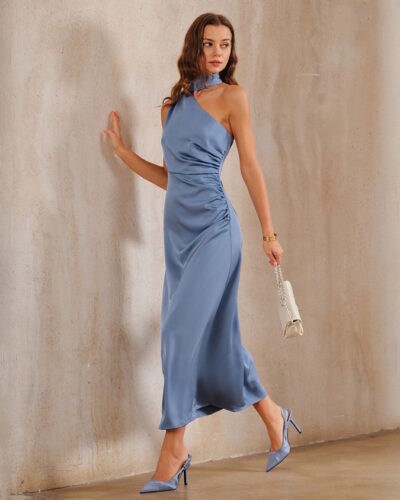
RIHOAS Blue One Shoulder A-Line Satin Maxi Dress

Color Should Support the Occasion

The usual rule still matters: avoid white, ivory, cream, and anything that could read bridal in photos unless the couple specifically asks for it. Beyond that, color is about mood and setting. Pastels and florals often suit spring and garden weddings. Jewel tones and deeper shades work well for evening celebrations. Black can be elegant for city, formal, or evening weddings, especially when the fabric and accessories keep the look celebratory.

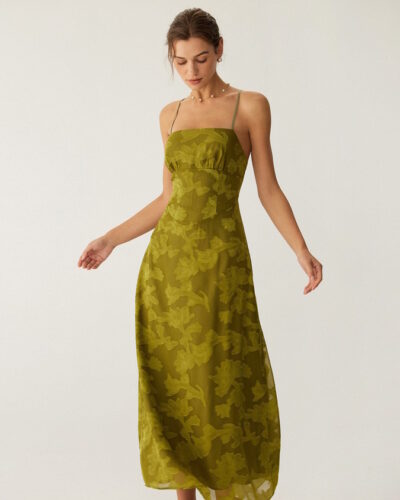
If you are unsure, look at the venue and season. A yellow satin midi may feel fresh for a warm-weather daytime wedding. A blue satin maxi can feel polished for an evening reception. A green floral dress can sit comfortably between romantic and relaxed, which is why florals remain one of the most reliable wedding guest choices.

Think About Fabric Before Accessories

Fabric changes the entire impression of a dress. Satin catches light and feels more evening-ready. Chiffon and mesh can feel softer and more romantic. Jacquard adds texture without needing much jewelry. Cotton or linen blends may work for very casual outdoor weddings, but they can look too relaxed for a formal reception.

A useful test is to imagine the dress with very simple styling. If it still feels complete with minimal heels, a small bag, and one piece of jewelry, the dress is probably strong enough. If it needs too many accessories to make sense, it may be better suited to another occasion.

Shoes, Bags, and Layers Matter More Than People Admit

Many wedding guest outfits fail at the practical details. Thin stilettos may look good in a mirror but sink into grass. A large day bag can make an elegant dress feel casual. A heavy jacket can interrupt the whole shape of the outfit.

For outdoor weddings, block heels, kitten heels, dressy flats, or sandals with enough support are usually smarter than very thin heels. For evening weddings, a small clutch or structured mini bag keeps the look clean. If the event may get cool, choose a wrap, cropped jacket, or light cardigan that looks intentional with the dress rather than something added at the last minute.

How to Choose a Wedding Guest Dress That Looks Good in Real Life
RIHOAS Green Floral Ruched Backless Slip Maxi Dress

Build a Small Wedding Guest Wardrobe Instead of Starting Over Every Time

Most people do not need a new dress for every wedding. A better approach is to own a few reliable pieces that can be restyled. One romantic floral midi, one satin midi or maxi, one darker cocktail dress, and one easy warm-weather dress can cover many invitations.

This is also where shopping becomes easier. Instead of searching for a vague idea of something pretty, look for the role the dress needs to play: garden wedding, formal evening, destination ceremony, cocktail reception, or summer dinner celebration. A focused search leads to better choices.

If your style leans feminine, romantic, and polished, the RIHOAS wedding guest dresses collection is a useful place to browse because it keeps the focus on wearable dresses rather than one-time statement pieces. The strongest options are the ones you can imagine wearing beyond the wedding day, with different shoes, jewelry, or layers.

The Best Dress Feels Appropriate and Personal

The most successful wedding guest look usually does not feel overplanned. It feels appropriate for the couple, comfortable for the setting, and personal to the person wearing it. That balance is what makes a dress useful.

A wedding is a shared occasion, so restraint matters. But restraint does not mean plain. It can mean a softer color, a better fabric, a cleaner neckline, or a silhouette that lets you move easily. When those details are right, the outfit feels elegant without asking for too much attention.

Best Librarian-Inspired Outfits You’ll Want to Don This Year

There’s something undeniably appealing about librarian style. It’s polished, thoughtful, a little vintage, and effortlessly smart. Plus, it blends structure with softness, giving off that quiet confidence that says you’ve got great taste and a favorite book always within reach. The best part? You don’t have to work in a library to pull it off.

Here are some librarian-inspired outfit ideas that feel fresh, wearable, and perfect for this year.

The Classic Cardigan + Midi Skirt Combo

This is the cornerstone of librarian style. A soft, fitted cardigan layered over a blouse and paired with a flowing midi skirt creates a look that’s equal parts cozy and refined. Stick to earthy tones, think camel, olive, burgundy, or cream, and finish with loafers or low heels. It’s timeless without feeling outdated.

Tailored Trousers with a Tucked-In Blouse

For a more modern take, swap skirts for tailored trousers. High-waisted pants with a neatly tucked-in blouse instantly create that “put-together” academic vibe. Add a slim belt and structured shoes, and you’ve got an outfit that works just as well in a café as it does in an office.

The Sweater Vest Revival

Sweater vests have made a strong comeback, and they fit perfectly into librarian-inspired fashion. Layer one over a crisp button-down shirt for a look that’s both intellectual and stylish. Go for subtle patterns like argyle or keep it minimal with solid neutrals. Either way, it’s an easy way to add texture without overcomplicating your outfit.

Best Librarian-Inspired Outfits

Get Accessories That Complete Any Look

No librarian-inspired outfit feels complete without the right pair of glasses. Even if you don’t need prescription lenses, non-prescription reading glasses can elevate your entire look.

Brands like Just Glasses offer stylish, affordable options that capture that classic intellectual aesthetic without feeling costume-like. Whether you prefer thin metal frames or bold acetate styles, the right pair can instantly pull your outfit together.

It’s one of those small details that quietly transform everything, so check out Just Glasses non prescription reading glasses today.

Structured Dresses with Subtle Details

Think button-front dresses, belted waists, and modest hemlines. These pieces feel polished but still comfortable enough for everyday wear. Look for fabrics like cotton, wool blends, or light knits, and keep patterns understated; plaids, small florals, or simple stripes work beautifully.

The Trench Coat Finish

Outerwear matters, and nothing ties this aesthetic together quite like a classic trench coat. It adds structure, elegance, and just the right amount of drama. Drape it over any of the outfits above, and suddenly everything feels more intentional.

Best Librarian-Inspired Outfits

Shoes That Mean Business (But Stay Comfortable)

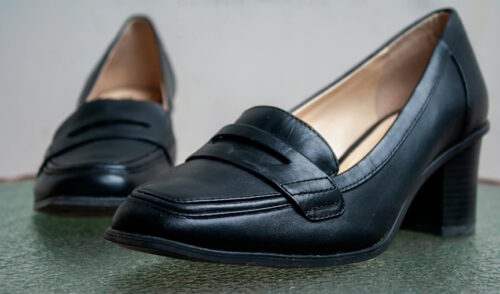
Librarian style isn’t about sacrificing comfort. Loafers, oxfords, ankle boots, and low block heels all fit perfectly within this look. Stick to quality materials and simple designs; this is one area where understated choices shine the most.

Keep It Thoughtful, Not Overdone

The charm of librarian-inspired fashion lies in its subtlety. It’s not about looking like a stereotype; it’s about capturing that quiet, intelligent elegance. Focus on clean lines, soft layers, and meaningful details. When everything works together without trying too hard, that’s when the look really lands.

Librarian style is less about following strict rules and more about creating an atmosphere; one that feels calm, confident, and a little bit curious. Once you find your version of it, you’ll realize it’s not just an outfit. You’ll discover it’s a whole mood.

From Atelier to Street Style: The Rise of the Florence Leather Jacket

From Atelier to Street Style: The Rise of the Florence Leather Jacket
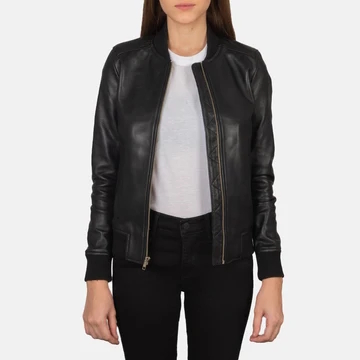
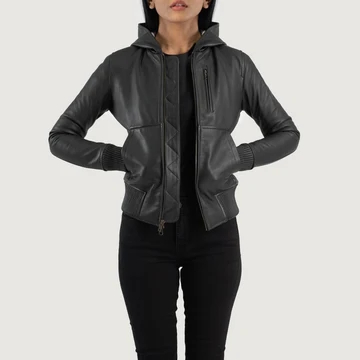
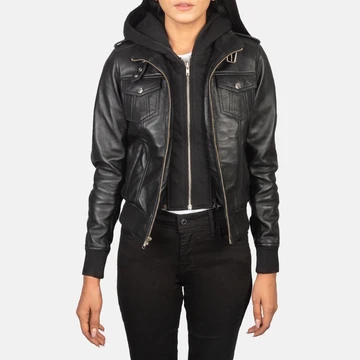
Few garments move as effortlessly between high fashion and everyday wear as the leather jacket. And when it comes to blending Italian craftsmanship with modern design, a Florence leather jacket leads the way – both on the runway and in the streets.

Once a symbol of rebellion, today the leather jacket has been redefined through the lens of Italian heritage. In Florence, where fashion intersects with centuries of artisanal skill, this outerwear staple has evolved into a luxury essential.

A legacy shaped in leather

Florence is globally renowned for its leather artisanship. Within its ateliers, jackets are crafted not by machines, but by the hands of skilled makers who treat each piece as an individual creation. The commitment to high-quality materials and traditional techniques ensures that every garment offers more than just style – it carries a legacy.

The Florence leather jacket is typically made from full-grain, vegetable-tanned leather, chosen for its ability to age beautifully over time. This natural tanning method results in a soft, breathable material that gains character with wear, developing a distinctive patina unique to the wearer.

Among the standout names representing this tradition is Jennifer Tattanelli, a designer whose work embodies the Florentine approach to fashion. With boutiques in Florence and around the world, her collections reflect a commitment to timeless silhouettes, precise tailoring, and luxury materials. The Florence leather jacket is one of her signature pieces – a perfect fusion of traditional Italian leatherwork and cosmopolitan style.

Modern interpretations of a classic form

While rooted in tradition, the modern Florence leather jacket has adapted to the demands of contemporary wardrobes. Designs now range from cropped, minimalist cuts to oversized, structured silhouettes – each maintaining the essential balance between function and form.

What sets the Florentine style apart is its restraint. Instead of excessive hardware or overly distressed finishes, these jackets favor clean lines, high-end linings, and refined details. You’ll find subtle touches like tonal stitching, suede inserts, or matte hardware – features that elevate the garment without overwhelming it.

Jennifer Tattanelli’s approach reflects this evolution perfectly. Her jackets are available in a variety of cuts, textures, and colors, from classic black to rich camel or olive. Each piece is designed to complement a curated wardrobe, making it easy to transition from daywear to evening attire with a single outer layer.

Jennifer Tattanelli also provides personalized services such as the tailor made or bespoke ones, were the jacket will be crafted based only on your own body measurements.

From the workshop to the front row

The Florence leather jacket has made its way from artisan studios to the fashion capitals of the world. On the streets of Paris, Milan, and New York, it’s a recurring feature in both street style photography and off-duty model wardrobes.

What makes it so visible yet so discreet? The answer lies in its versatility. A well-cut leather jacket can be worn over a silk dress or tailored trousers just as easily as over jeans and sneakers. It adapts to the wearer’s style without compromising its identity.

Designers like Jennifer Tattanelli have contributed to this global reach, not only by crafting exceptional jackets but by making them accessible to an international clientele. Her boutiques offer personalized fittings and bespoke detailing, giving clients a chance to own a piece that fits not just their body, but their lifestyle.

A sustainable mindset

Today’s consumers are increasingly looking for fashion that reflects their values. In this sense, the Florence leather jacket aligns naturally with the shift toward quality over quantity.

Many Florentine ateliers, including Tattanelli’s, follow eco-conscious practices, from responsibly sourced leather to low-impact tanning techniques. Jackets are made to last – not just physically, but stylistically. They defy seasonal trends, instead offering a wardrobe foundation that can be worn for years, even decades.

The slow fashion model embraced in Florence encourages thoughtful purchasing, where clients invest in fewer, better pieces. This approach reduces waste and supports artisan economies, all while offering a product that improves with time.

Personal luxury, everyday wear

One of the most appealing aspects of the Florence leather jacket is how personal it becomes. Over time, the leather molds to the wearer’s shape, recording movements and moments. Every crease and subtle variation in tone tells a story.

Customizable elements – such as color, cut, lining, and hardware – allow for further personalization. At Jennifer Tattanelli’s atelier, for example, clients can select specific leather finishes or request monogrammed interiors, turning a fashion item into a personal heirloom.

Yet despite its luxury, the jacket remains grounded in daily use. It’s built for comfort, style, and practicality – ready to be worn on a chilly evening in Florence, during a city commute in New York or a stroll on Worth Avenue in Palm Beach. That’s what makes it such a powerful item: it elevates the everyday without demanding attention.

The History of Pajamas: From Fashion to Modern Sleepwear

The History of Pajamas: From Fashion to Modern Sleepwear

You’re sitting in your pajamas right now, maybe reading this while working from home, or perhaps you just put them on for bed.

It’s easy to take pajamas for granted. They’re comfortable. They’re convenient. You don’t think much about where they came from or why they exist.

But the history of pajamas is surprisingly fascinating. These pieces of clothing traveled across continents, changed cultures, transformed from public daywear to private sleepwear, and are now making a comeback as legitimate workwear.

Understanding where your pajamas come from changes how you think about them. They’re not just lazy clothing. They’re the result of centuries of cultural exchange, fashion evolution, and the human desire for comfort.

QUICK FACTS

  • Original Purpose: Daily clothing for men and women in South Asia
  • Where They Started: India
  • When They Became Sleepwear: Early 1900s
  • Current Statistic: 74% of Americans wear pajamas to bed
  • Modern Trend: Many now wear PJs as workwear while working from home
  • Most Popular Materials: Cotton, silk, bamboo viscose, flannel

WHAT ARE PAJAMAS TODAY?

In their current form, pajamas are comfortable sets of nightwear consisting of pants or shorts paired with a matching top. Simple enough.

But comfort is key. Pajamas can be made from any material that feels good against your skin: cotton, silk, flannel, bamboo viscose, or other breathable fabrics. The material matters because it determines how you sleep, how your body regulates temperature, and how long the pajamas last.

Modern pajamas prioritize comfort above all else. That wasn’t always the case.

WHERE PAJAMAS ORIGINALLY CAME FROM

This is where the story gets interesting.

Pajamas didn’t start as sleepwear. They started as everyday clothing worn by men and women in South Asia, specifically India. In that context, the word “pajama” (from the Persian “pāy-jāma,” meaning leg garment) referred to comfortable pants that tied at the waist.

These weren’t bedroom clothes. These were public clothes. Both men and women wore them as part of their daily dress in India and other South Asian countries before the 1600s. They were practical, comfortable, and culturally appropriate.

Then European traders and colonizers encountered them.

HOW PAJAMAS WENT GLOBAL

In the 1600s, a French traveler named Jean de Thevenot mentioned in his travelogue that Portuguese traders wore pajamas when going to bed. This marks one of the earliest known European references to the garment.

The British colonial forces stationed in India fell in love with the comfort of these pants. They brought them back to England, where merchants began selling them as fashionable loungewear. Merchants called them “mogul’s breeches,” marketing them as exotic, comfortable fashion items for the wealthy.

By the 1870s, pajamas became increasingly popular as loungewear for wealthy British gentlemen. They weren’t quite sleepwear yet, they were more like at-home clothing worn in private spaces.

The transformation was happening, though. Comfort was becoming fashionable.

THE EVOLUTION INTO SLEEPWEAR (EARLY 1900S)

Around the early 1900s, pajamas evolved into what we recognize today: matching pants and tops designed specifically for sleeping.

This was a significant shift. Pajamas went from being casual loungewear to dedicated sleepwear. The design became more refined, with bottoms and tops that matched and complemented each other.

For men, this transition happened relatively quickly. By the early 1900s, wearing pajamas to bed became increasingly common among middle and upper-class men, replacing nightshirts as the preferred sleepwear.

Women took a bit longer to adopt them.

PAJAMAS BECOME FASHIONABLE (1930S-MID 20TH CENTURY)

The 1930s marked a turning point. Women in the Western world began wearing pajamas too.

But here’s the interesting part: Hollywood played a huge role. Movie stars began wearing pajamas, and suddenly they weren’t just comfortable sleepwear, they were high fashion. Glamorous women wore luxurious pajamas, sometimes in public or for photographs.

Pajamas became aspirational. If a Hollywood star wore them, everyone wanted them.

Throughout the mid-20th century, pajamas remained popular but stayed primarily in the bedroom. They were what you wore to sleep, and that was that. Some people wore them for special occasions or luxury lounging at home, but they weren’t something you’d wear out in public.

That taboo slowly began to shift, though no one knew it yet.

PAJAMAS RE-ENTER PUBLIC SPACES (EARLY 2000S)

Something interesting started happening in the early 2000s. Pajama pants started appearing in public.

People wore them to run errands, to class, to casual outings. What had been private sleepwear was moving back into public consciousness, but now with a casual, relaxed connotation. Wearing pajamas out was seen as laid-back and comfortable, not fashionable, but acceptable.

This was the beginning of a cultural shift toward valuing comfort over strict dress codes.

THE PAJAMA REVOLUTION (2020S AND BEYOND)

Then the pandemic happened.

Millions of people transitioned to working from home. Suddenly, pajamas weren’t just for sleeping. They were workwear. People attended virtual meetings in pajamas. They spent their entire day in comfortable clothing instead of business attire.

And here’s what happened: they realized they preferred it.

The pandemic normalized something that had been building for years: comfort as a legitimate priority. Pajamas shifted from being “lazy clothing” to being practical, sensible workwear.

Today, 74% of Americans wear pajamas to bed. But increasingly, many are wearing them all day. Working from home in comfortable pajamas has become normalized in ways it never was before.

Pajamas have completed a remarkable journey: from everyday public clothing in South Asia, to exotic loungewear in Europe, to private sleepwear, to Hollywood fashion statement, to public casual wear, to legitimate workwear. They’ve come full circle, essentially, in their comfort and acceptability.

THE PAJAMA TIMELINE

History of Pajamas

WHY THIS HISTORY MATTERS

Understanding where pajamas come from helps you appreciate what they represent: centuries of people valuing comfort.

When you put on pajamas, you’re wearing something with a genuinely global history. You’re wearing clothing that traveled across continents, influenced fashion, and ultimately reflected humanity’s deep need for comfort.

That’s not something to take for granted.

MODERN PAJAMAS: MATERIALS AND COMFORT

Today’s pajamas come in countless materials, and the choice matters.

Cotton pajamas are classic and breathable. Silk pajamas are luxurious and smooth. Flannel pajamas are cozy and warm. And bamboo pajamas offer a unique combination of breathability, moisture-wicking, and thermoregulation, making them ideal for people who want comfort in any season.

The material determines how your body regulates temperature at night, how the fabric feels against your skin, and how long the pajamas last. In the context of pajamas’ history, where comfort has always been the driving force, choosing high-quality materials makes sense.

Your pajamas should reflect the same comfort-first philosophy that drove their creation centuries ago.

PAJAMAS FOR EVERY OCCASION

While most people think of pajamas as sleepwear, modern pajamas serve multiple purposes.

They’re sleepwear for rest and recovery. They’re loungewear for relaxing at home. They’re workwear for remote workers. And for special occasions, they’re even considered fancy. Luxury bridal pajamas are a popular choice for the night before a wedding: comfortable, elegant, and practical for looking good while staying comfortable.

The versatility of pajamas reflects how far they’ve come from simple South Asian drawstring pants. They’re now a wardrobe staple that serves different purposes for different people.

HONORING THE HISTORY

The next time you put on pajamas, remember their journey.

You’re wearing something created by people who valued comfort enough to wear it in public. You’re wearing clothing influenced by centuries of cultural exchange. You’re participating in a tradition that spans continents and centuries.

Whether you sleep in them, work in them, or lounge in them, your pajamas represent humanity’s enduring commitment to comfort. That’s worth appreciating.

For quality pajamas that honor this history of comfort, visit Cozy Earth and discover sleepwear designed for the modern comfort revolution.

FREQUENTLY ASKED QUESTIONS

Q: Why were pajamas originally called “mogul’s breeches”?

A: Colonial British merchants used this name to market them as exotic, luxurious items inspired by Indian royalty (“mogul” referring to the Mughal Empire).

Q: When did pajamas become popular for women?

A: The 1930s, largely influenced by Hollywood actresses who wore them and made them fashionable.

Q: Are pajamas different from loungewear?

A: Technically, loungewear is a broader category that includes pajamas, but pajamas specifically refer to matching pants and tops designed for sleeping.

Q: Why did pajamas become workwear?

A: The shift to remote work during the pandemic normalized wearing comfortable clothing while working. People realized comfort didn’t compromise productivity.

Q: What material is best for pajamas?

A: It depends on your needs. Cotton is classic, silk is luxurious, flannel is warm, and bamboo viscose offers excellent temperature regulation and moisture-wicking.

Q: Are there different pajama styles?

A: Yes. Some are button-up tops with pants, some are pullover tops, some have shorts instead of pants, and some are more fitted while others are loose and relaxed.

Q: Why did it take so long for pajamas to become acceptable as public wear?

A: Cultural norms around appropriate public clothing were strict. It took the casual culture of the 2000s and the normalization of remote work to shift attitudes about comfort.

How Small Retailers Can Outshine Big Brands in Wholesale Women’s Fashion

How Small Retailers Can Outshine Big Brands in Wholesale Women's FashionIt is tough to stand out in business, no matter where you are. But when you’re a small wholesale women’s clothing boutique, it’s even more difficult to differentiate yourself from the larger competitors out there.

Even so, you can still leverage some unique strengths that you have that the big guys don’t.

Read on to find out how you can leverage your more agile store size to drive revenue and expand your store’s client base. We have drilled this advice down to four key pillars of strategy that are tried-and-true and can be implemented by wholesale women’s clothing stores with budgets large or small.

Personalization

Bigger stores often struggle with a personal touch. This is where smaller boutiques can shine. Whether it is responsive customer service, tailoring, or any range of customization options, giving your boutique a personal, human face will yield greater dividends for you than if you try to approach business the way the big stores do. They can afford to lose some customers, but you can’t. Things like letting customers know their options or that there is a human they can reach out to if they need to can help seal the deal when it comes to buyers who are on the fence.

Niche Focus

Another way your small store can stand out is with a dedicated niche focus. This means that you will carry items that are hard to find or not nearly as mainstream as what your competitors will offer. This revolves around finding a niche or online community and really drilling into what makes it tick. It helps, of course, if you yourself are part of this fashion milieu, but it isn’t entirely necessary. As long as your store comes off as authentic and, most importantly, is seen as a go-to space for that style, then you will be able to leverage this new identity in ways the bigger stores will fail to do.

How Small Retailers Can Outshine Big Brands in Wholesale Women's FashionCollaboration with Competitors

In this regard, your competitors aren’t really competitors so much as they are partners in the fight to bring customers the best wholesale women’s clothing products. Consider a joint promotional event with a small boutique store that sells products adjacent to your own. For example, if you focus on evening wear, finding a partner that specializes in accessories can help you leverage the strengths of both audiences. The best part about this strategy is that you can expand it as much as necessary to make sure that your company’s message and product get out to the right audience. 

Social Media Marketing Campaigns

Small retailers can leverage a customer relationship in ways that are more effective and authentic than the larger stores. This means testimonials, featured looks, and even collabs on content such as with influencers and even brands. You want to take advantage of the fact that you are smaller and that you can move much more quickly when it comes to recognizing potential partnerships and opportunities in the social media space. Look at what successful small brands in the influencer space are doing and apply it to your boutique.

The Rise Of Tropical Prints In Luxury Fashion

Rise Of Tropical Prints In Luxury Fashion

Once relegated to tourist shops and casual resort wear, tropical prints have undergone a remarkable transformation, emerging as a powerful force in luxury fashion. These days, you can see models walking down a sunlit runway, surrounded by swaying palm fronds and vibrant exotic flowers.

It might look like a major shift, but in some ways, it isn’t. In this article, you’ll discover how these nature-inspired patterns and exotic prints are captivating high-end designers and revolutionizing contemporary fashion.

The Business of Tropical Luxury

Remember those classic floral shirts your dad used to wear on vacation? They were likely inspired by a brand that helped establish tropical prints in casual wear during the 1970s. Its early designs are popular for celebrating the lush flora and fauna of the Pacific Islands, creating a visual vocabulary that would later inspire luxury fashion’s most innovative creators.

The tropical print trend has proven surprisingly resilient in the business of fashion. Unlike many seasonal patterns that come and go within business days, these nature-inspired motifs have shown remarkable staying power.

The key to the enduring appeal of tropical prints in luxury fashion lies in their ability to transport us while remaining sophisticated. Whether you’re investing in a statement piece or admiring the artistry from afar, these prints have proven they’re much more than a passing trend. They’re a testament to fashion’s ability to elevate the everyday into the extraordinary.

The Modern Interpretation: How to Wear Tropical Prints

But how can you incorporate these elevated prints into your wardrobe without looking like you’re going to a beach party? The key lies in understanding the new rules of tropical fashion.

For women, tropical dresses from Paradise Found have evolved beyond the casual midi dress or maxi dress. Look for architectural cuts that use tropical prints strategically: perhaps a silk sheath with a subtle palm print panel or an evening gown featuring hand-painted tropical flowers in bright colors.

Some mens vacation shirts are being reimagined for the luxury market. Today’s versions might feature artisanal prints on fine Italian cotton, with refined details like mother-of-pearl buttons and expert tailoring that make them suitable for upscale dining or creative office environments.

Nature’s Canvas: How Designers Are Reimagining Tropical Elements

Nature has always been a goldmine of inspiration for artists and designers. Modern luxury houses are taking traditional tropical elements and transforming them into sophisticated statements.

Exotic birds have become a particular favorite among designers, who render them in everything from subtle tone-on-tone embroidery to bold, oversized prints—sometimes on sustainable fabric. Recent collections feature paradise birds interpreted through metallic threadwork and beading, elevating these creatures to wearable art.

Rise Of Tropical Prints In Luxury Fashion

Palm trees, once the standard bearer of casual beach prints, are now appearing in unexpectedly refined ways. Imagine delicate palm fronds sketched in gold leaf on evening wear or abstract interpretations that turn familiar foliage into geometric patterns worthy of fine art prints. You’ll also find banana leaves rendered in metallic threads on silk evening gowns and delicate hibiscus flowers hand-painted onto Italian leather accessories.

The transformation is so complete that these prints now grace the collections of fashion houses known for their understated elegance. This evolution reflects a broader shift in fashion, where traditional vacation wear motifs are now considered high art.

The Artistic Connection: When Fashion Meets Fine Art

The relationship between tropical prints and art has become increasingly intertwined. Luxury brands are treating their prints as canvas prints worthy of gallery display.

High-end retailers are dedicating significant wall space to tropical-themed collections, treating them as investment pieces rather than seasonal novelties. The prints have become so versatile that they’re now considered appropriate for both resort wear and formal occasions, especially when rendered in sophisticated color palettes and premium materials.

Luxury houses are collaborating with artists to create limited-edition prints that blur the line between fashion and framed art. These collaborations often result in pieces that are as suitable for gallery walls as they are for wardrobes.

Digital innovation has allowed for unprecedented detail in print creation, enabling designers to produce tropical motifs that rival the intricacy of fine art prints while maintaining wearability.

The Future of Tropical Luxury

Tropical prints in luxury fashion show no signs of retreating to their casual roots. You’ll likely see even more sophisticated interpretations as designers continue to push the boundaries of what these nature-inspired patterns can achieve. The intersection of traditional tropical motifs with cutting-edge design techniques promises to keep this trend fresh and exciting for seasons to come.

So, the next time you see a tropical print, look closely. You might discover it’s not just a pattern but a piece of wearable art that bridges the gap between nature’s beauty and human creativity. After all, in the world of luxury fashion, even paradise can be reimagined.

4 Reasons Sneakers are the Perfect Match to Your Semi-Casual Attire

4 Reasons Sneakers are the Perfect Match to Your Semi-Casual Attire

When it comes to fashion, everyone wants to find that perfect balance between looking good and feeling comfortable. Many people struggle with finding the right shoes to wear when dressing semi-casual. The good news? Sneakers are here to save the day!

Choosing the right footwear is crucial. Sneakers are stylish and comfortable. They are ideal for anyone in semi-casual attire.

1. Unmatched Comfort

Sneakers provide unmatched comfort that is hard to find in other types of footwear. Unlike dress shoes or sandals, which may leave your feet aching after a long day, sneakers are designed for all-day wear.

They come with cushioned soles and breathable materials that make walking or standing for extended periods delightful. Whether you’re running errands or going out with friends, you can count on sneakers to keep your feet happy.

2. Versatile Styling Options

One of the fantastic features of sneakers is their versatile styling options. They seamlessly blend with various semi-casual looks, whether you’re pairing them with jeans, chinos, or even casual dresses. You can choose from a vast array of colors and designs, allowing you to express your unique style.

This means you can wear a classic white sneaker with jeans and a blazer or opt for brightly colored kicks with a graphic tee for a more playful look. Your options are truly endless!

Mixing and Matching

Accessories can also elevate your semi-casual attire. For instance, pairing a stylish crossbody bag or a trendy cap with your sneakers can pull your whole outfit together. You can create countless combinations with the right pieces to make your sneakers stand out even more. What’s more, sneakers can effortlessly transition from day to night.

3. Ideal Footwear for Any Occasion

Sneakers are not just for sports! They are, in fact, ideal footwear for various occasions. Whether you’re attending a casual gathering, running errands, or spending a day out in the city, sneakers fit the bill.

Many people have replaced their formal shoes with fashionable sneakers for events where semi-casual attire is expected.

Durability Matters

Another reason sneakers are perfect for semi-casual attire is their durability. High-quality sneakers can withstand the hustle and bustle of everyday life. Investing in a good pair means you can wear them often, making them a reliable choice for your wardrobe.

4. A Timeless Trend

Sneakers are more than just a passing phase in fashion, they’re a timeless trend. Fashion icons and celebrities continue to embrace them, proving they can look stylish while feeling comfortable.

The sneaker culture has grown significantly, influencing designers to create chic and trendy styles that appeal to a broader audience. This means that no matter how old they are, sneakers will always find a way to remain fashionable.

Stay Ahead of the Fashion Curve

By choosing https://novelship.com sneakers, you’re not just following a trend; you’re making a smart choice that can elevate your semi-casual attire. You can stay ahead of the fashion curve while ensuring your comfort at every step.

Every season, new styles are introduced, allowing you to update your look with minimal effort. You can easily keep your wardrobe fresh and trendy without breaking the bank. For a great selection, check out this website for some fantastic sneakers today!

Understanding the Importance of Semi-casual Attire

In conclusion, sneakers are the perfect match for semi-casual attire for several reasons. They are unmatched in comfort, offer versatile styling options, serve as ideal footwear for any occasion, and have a timeless appeal. If you haven’t already, consider making the switch to sneakers in your wardrobe!

For more helpful tips, check out the rest of our site today.

An Examination of what is Appropriate to Don Underneath Latex for Comfort and Style

What to Wear Underneath Latex for Comfort and Style

Latex attire has established itself as a favorite option due to its sleek and body hugging appearance that can be deemed shocking while empowering. While the exterior looks glossy and smooth, it is equally important to consider what you don underneath your latex apparel for comfort and flow. Applying the correct undergarments can make a world of difference while ensuring you’re feeling exceptional and confident throughout the evening or day.

The Appropriate Undergarments for Latex

The unmistakable feature of latex attire is a professional, form-fitting and molded approach, which can sometimes create challenges in selecting your undergarments to wear. Having the wrong selection can result in an odd denoting appearance or discomfort. Regardless, with some useful knowledge, you can find your substitution that allows you the luxury of comfort while leaving an air of exclusivity, which shouldn’t detract from your latex apparel.

Seamless or Invisible Panties

Possibly one of the best garment options to wear underneath your latex attire could be seamless underwear. Latex is a body-con shape and bulkiness or visible seams show through, defeating the effort for that smooth and glossy effect. You will want to choose an undergarment designed for an inconspicuous appearance or seams flush against the skin; you will typically find this in some soft microfiber or stretch cotton underwear, which is often breathable. Breathability is key in latex wear for long periods as this fabric doesn’t allow a lot of air for your skin to breathe easier like all other fabrics do.

For additional discretion, utilize thongs or laser-cut versions that have no to very little consistent line across any treatment of attire. Either would make excellent selection for an unfrayed appearance of the sleek and glossy appearance latex exudes.

Bras and Latex Tops: What’s Your Best Choice?

When considering a latex top or dress, knowing which bra is best is essential. Many latex garments are intended to be worn without a bra, particularly if the latex piece is more structured or has built-in support. But if you feel more comfortable with a bra underneath it, it’s crucial to find a bra that suits the snug nature of latex; a smooth lightly lined bra without underwires is ideal. If you want a little more support, you might want a bandeau or strapless bra made with a fabric that does not grip or cling to the latex. Be aware that bras with fabric embellishments or lace, or those with big straps tend to show through, and can compromise the look and feel of streamlining the latex; thus, these options should be avoided.

If you are in a full latex catsuit, which usually covers both upper and lower body, an adequately comfortable supportive bralette may be your best option. Relying on a bralette without padding or extra fabric with details could have the fit you desire while not impacting the profile of the latex.

What to Wear Underneath Latex for Comfort and Style

Layering for Comfort: The Case for Base Layers

In certain situations, you may choose to wear a base layer beneath your latex for additional comfort. For example, thin, breathable moisture-wicking tops and bottoms made of nylon or spandex can assist with temperature-management if you’re wearing latex for an extended period and/or experiencing warmer weather. In addition to helping with temperature management, a base layer can help avoid the discomfort of latex directly against your skin, which can be exasperated when skin is damp from summertime weather or perspiration attributed to heat or increased heart-rate, when using latex.

When selecting a base layer, it’s important to select a smooth and snug selection that won’t cause bunching beneath the latex. Many people feel this is a comfortable alternative to wearing latex directly against the skin, because wearing a base layer reduces the amount of skin directly underneath the latex garment. This can facilitate removing latex garments later in the day, if you feel a jacket or top should be removed for comfort or because of increased perspiration.

Going Bare Underneath: Is It an Option?

A common question of latex wearers is if going bare underneath is an option. The simple answer is: it depends on the level of comfort of the wearer and the specific design of the latex garment. Some people dearly like to feel the latex directly against their skin and participate in the wonder of their specific body’s sensations of being hugged by latex.

However, going bare underneath latex can pose challenges depending upon many factors including if you live in a warm climate where the clothing is frequently incurring dampness, or the wearer is prone to sweating. Without a moisture-wicking layer beneath latex clothing, normal perspiration (i.e. sweat) can build-up, causing discomfort. Going bare under a latex garment can make it challenging to remove, due to the latex creating a seal to the skin, especially if wearing the garment just after perspiring. If going bare, simply use some liberal lubrication, like talcum powder or silicone based dressing aid, both in order to make dressing and undressing easier.

What to Wear Underneath Latex for Comfort and Style

Do I Need Shapewear Under Latex?

Shapewear is one option to consider to wear beneath a latex outfit. If you are looking for a little help shaping up your natural curves, you may want to consider how you could smooth out any troublesome spots or just feel more comfortable. Latex worn alone under other clothing is similar to wearing shapewear but can still be hidden behind regular clothes.

Your only difference between your latex clothing image and your favorite leather only becomes evident from the slimmest of differences. The great thing about wearing shapewear beneath latex is that the outfits alone already provide the enhanced and suck-you-in form-fitting physique it gives any wearer.  Appropriate and comfortable shapewear that will hide beneath your latex outfit is essential to making your look just as stunning.

If you are going to wear latex around the house, look for shapewear that does not create ridges or seams because it will be uncomfortable. Get a panty that can hide the lumps and fine lines behind it. You should not be seen as someone who is wearing heavier materials creating lumps such as the waist, hips or thighs. Those who need extra help in the upper back and shoulders are heavier than the one-hook designs. Cultural women flaunt more of their assets in the taped models. Examples of tapeless designs are one-piece open or closed back designs that create any kind of ridges. 

Being Comfortable and Stylish at the Same Time

At the end of the day, your choice of what to wear underneath latex is entirely about your comfort and the look . Some people may choose undergarments that offer maximum comfort and coverage like base layers or seamless underwear, while others will opt for simplicity and nothing at all underneath.

The most important consideration is to remember that whatever you wear underneath is there to enhance your experience wearing latex, not hinder it. You will want breathable, seamless fabrics that do not interfere with your latex clothing the way it looks or fits. If you are uncertain about what to wear underneath you can always experiment with different underwear scenarios to see which fits your style and comfort level best.

Why Cozy Clothing Makes the Perfect Holiday Present

Why Cozy Clothing Makes the Perfect Holiday Present

The holidays are all about warmth, connecting with family and friends, and thoughtful gestures that people remember forever. This year, why not wrap up a little slice of comfort itself?

Cozy clothing is more than just fabric—it’s a heartfelt hug in gift form that brings relaxation, joy, and a sense of well-being to anyone lucky enough to receive it. Whether you’re shopping for family, friends, or even a colleague, here’s why cozy clothing is the ultimate holiday gift.

Elevates Moods

Nothing feels better than slipping into clothes that feel like a second skin. Cozy clothing doesn’t just wrap you in softness—it uplifts your spirits, too. Even research, like a study conducted by Northwestern University in 2012, backs it up: what we wear affects how we feel. From a sumptuous robe that signals the start of “me time” to perfectly fitted women’s lounge pants that hug you in all the right places, these garments lead to ease. The magic lies in their ability to reduce stress and create a sense of calm.

When you’re wrapped in comfort, your body responds in kind. Stress hormones, particularly cortisol (often referred to as the “stress hormone”) decrease. At the same time, hormones that promote relaxation and well-being, like oxytocin (known as the “love hormone”) and serotonin (a neurotransmitter that helps regulate mood), can rise. This shift in hormones triggers a series of positive effects, fostering feelings of calm, security, and happiness.

Picture yourself slipping into your favorite cozy pajamas after a long day—you’ll feel an immediate boost to your mood. And gifting that feeling to someone else? It’s priceless.

Why Cozy Clothing Makes the Perfect Holiday Present

Adds Joy Beyond the Holidays

Cozy clothing isn’t just for the festive season—it’s the gift that keeps on giving. Imagine lounging by the fire in a jacquard pullover and matching long pants, wool socks keeping the chill at bay. Or picture a lazy Sunday morning spent in oversized hoodies and plush leggings. These are the moments cozy clothing was made for.

But the beauty of these pieces is that they go beyond seasonal moments. They add a touch of comfort to everyday life, such as a flowy camisole that makes errands feel effortless, a chic satin shirt dress that turns work-from-home days into a stylish affair, or a robe that makes even a quick coffee run feel indulgent. Cozy clothing fits into every aspect of life, making it a gift with endless possibilities.

Tailors Gifts to Every Personality

The versatility of cozy clothing is what makes it such a thoughtful choice. It’s functional, fashionable, and can be tailored to anyone’s unique style. Is your friend a fan of timeless classics? Opt for elegant cashmere sweaters or a snug scarf. Know someone who loves bold colors and playful patterns? Bright socks or a quirky loungewear set might be just the ticket.

Take it a step further by choosing colors, fabrics, or patterns that resonate with the recipient. Perhaps a silk robe for someone who loves a touch of glamour or fleece-lined leggings for the perpetually cold. Make it even more special by pairing your cozy gift with something that complements their hobbies, like a tea set for a tea lover or a novel for a bookworm. Thoughtful touches like these show that you’ve put real care into their gift.

Creates Cherished Memories

Cozy clothing isn’t just a gift; it’s an invitation to create meaningful moments. Think matching family pajamas for holiday mornings, complete with adorable pet-sized versions for your furry friends. The memories you’ll make wearing these clothes are just as important as the clothes themselves.

You can also pair cozy clothing with experiences. Imagine gifting a plush bathrobe along with a spa day certificate or giving a warm scarf paired with tickets to a winter concert. These thoughtful combos elevate your gift from something great to something unforgettable.

Beyond the holidays, cozy clothing becomes part of everyday rituals. A luxurious throw blanket turns movie nights into cozy affairs, and an indulgent lounge set transforms lazy weekends into moments of pure relaxation. These gifts weave themselves into the fabric of your loved ones’ lives, creating memories that linger long after the holidays are over.

Why Cozy Clothing Makes the Perfect Holiday Present

Commits to Ethical Comfort

Want to make your gift even more meaningful? Choose cozy clothing that’s made responsibly. Look for brands that prioritize sustainability, ethical manufacturing, and eco-friendly materials. Whether it’s a comfy pair of lounge pants crafted from organic cotton or a scarf from a company that supports ethical labor practices, these choices add an extra layer of thoughtfulness to your gift.

Wraps Love with a Bow

Cozy clothing is more than just an item. It’s a feeling, a ritual, and a reminder of the warmth we share with those we love. This holiday season, give the gift of comfort, joy, and cherished memories. Wrap it with care, and maybe add a handwritten note to make it even more personal. Because nothing says “I care” quite like the perfect cozy piece, chosen and wrapped with love.

The Rise of Sustainable Italian Fabrics: How Italian Textile Companies Are Leading Green Innovation

The Rise of Sustainable Italian Fabrics

The textile industry is undergoing a transformative shift towards sustainability, with a growing focus on eco-friendly practices and innovative production processes. Italy, renowned for its craftsmanship, is now also taking the lead in producing sustainable fabrics. Italian textile manufacturing companies are blending tradition, creativity, and innovation to deliver high-quality, sustainable Italian fabrics to meet the needs of modern markets. In this article, we explore how fabric manufacturers and fabric suppliers in Italy are driving green innovation while maintaining their heritage of excellence and quality.

Summary

  1. Sustainable Fabrics Made in Italy
  2. Italian Textile Companies Leading Sustainability
  3. Italian Fabric Suppliers: Tradition Meets Green Innovation
  4. The Future of Sustainable Made-in-Italy Textiles

Sustainable Fabrics Made in Italy

Italy has long been synonymous with quality and style in the textile industry. The phrase “Made in Italy” not only stands for luxury and craftsmanship but increasingly signifies sustainability. Textile manufacturing companies in Italy have embraced eco-friendly practices, focusing on using natural and recycled materials that respect the environment. Sustainable Italian fabrics include organic cotton, recycled wool, and regenerated nylon, offering both style and ethical production.

These high-quality fabrics are crafted with a reduced carbon footprint, prioritizing processes that minimize waste, chemical use, and water consumption. Italian textile companies are committed to innovation, utilizing advanced technology to ensure their fabrics are not only sustainable but durable and versatile. This dedication places Italy at the forefront of the global push toward green production, setting an example for other fabric manufacturers worldwide.

The Rise of Sustainable Italian Fabrics

Italian Textile Companies Leading Sustainability

Many Italian textile companies are emerging as leaders in sustainability, setting benchmarks for eco-friendly manufacturing. Their focus lies in creating fabrics that combine ethical responsibility with the impeccable quality Italy is known for. From textile company giants to smaller artisans, the collective aim is to meet global demand without compromising the environment.

Textile manufacturing companies like Jersey Lomellina are prime examples of this shift. Jersey Lomellina, a pioneer in sustainable textile production, is known for its eco-conscious approach. By offering innovative fabrics made with regenerated materials, they demonstrate how sustainability can coexist with luxury and performance. Their efforts have positioned them as leaders among textile companies, inspiring others to follow suit.

Furthermore, Italian companies continue to invest in certifications such as GRS (Global Recycled Standard) and OEKO-TEX, ensuring their products meet the highest environmental and ethical standards. This dedication solidifies Italy’s role as a global hub for sustainable fabric production.

Italian Fabric Suppliers: Tradition Meets Green Innovation

Fabric suppliers in Italy are successfully merging time-honored traditions with modern sustainability practices. Italian fabric manufacturers are known for their ability to innovate while staying true to their artisanal heritage. This unique combination has enabled them to produce sustainable Italian fabrics that appeal to industries worldwide, including fashion, furniture, and automotive sectors.

Fabric suppliers have adopted circular economy principles, reducing waste by recycling textile scraps and incorporating regenerated fibers into new products. This approach ensures that Italian textile companies remain competitive while promoting environmentally friendly practices. The focus on “Made in Italy” not only guarantees superior quality but also supports local communities and small-scale production, aligning with the global call for ethical supply chains.

Innovations such as waterless dyeing, plant-based fibers, and biodegradable textiles further showcase Italy’s commitment to green innovation. These solutions help minimize the environmental impact of production processes without compromising the luxurious feel and durability of Italian fabrics. Italian fabric suppliers are proof that tradition and sustainability can go hand in hand, shaping a more responsible and forward-thinking industry.

The Rise of Sustainable Italian Fabrics

The Future of Sustainable Made-in-Italy Textiles

The future of the textile industry lies in sustainability, and Italian fabric manufacturers are leading the charge. As the demand for eco-friendly products grows, textile manufacturing companies in Italy are continuously improving their processes to align with global sustainability goals. Investments in research and development are enabling these companies to pioneer new materials that are both innovative and sustainable.

Textile company leaders, are shining examples of how businesses can balance eco-responsibility with quality production. By utilizing cutting-edge technology and sustainable resources, they are paving the way for a greener future. Italian textile companies are not only reducing their environmental footprint but also helping shape consumer behavior by raising awareness about the importance of choosing sustainable products.

The concept of sustainable Italian fabrics goes beyond mere trends—it is a commitment to protecting the planet for future generations. Italian fabric suppliers are continuously working toward creating products that are recyclable, biodegradable, and ethical. The collaboration between industry leaders, government initiatives, and consumers is crucial to ensuring the longevity of sustainable practices.

In conclusion, Italy’s textile manufacturing companies are demonstrating that sustainability and innovation can coexist, delivering world-class fabrics that are both eco-friendly and luxurious.