Category: wedding

How to Choose a Wedding Guest Dress That Looks Good in Real Life

A good wedding guest dress has to do more than look beautiful on a hanger. It needs to respect the occasion, feel comfortable through a long day, photograph well, and still feel like something you would genuinely choose for yourself. That is why the best wedding guest outfits usually start with a few practical questions before color, trend, or brand even enter the conversation.

The goal is not to be the most noticeable person in the room. It is to look considered. A dress that fits the setting, moves naturally, and gives you confidence will usually feel more elegant than something chosen only because it is dramatic.

How to Choose a Wedding Guest Dress That Looks Good in Real Life
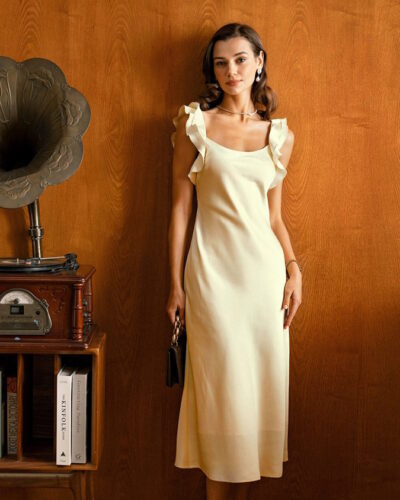
RIHOAS Yellow Square Neck Ruffle Satin Midi Dress

Start With the Invitation, Not the Dress

The invitation usually gives you the first useful clues. Black tie, formal, cocktail, garden, beach, city hall, and destination weddings all ask for slightly different choices. If the dress code is black tie or formal, a longer dress, a refined fabric, or a more structured silhouette will usually feel appropriate. For cocktail attire, a midi dress is often the easiest answer because it feels polished without becoming too formal.

Outdoor and daytime weddings need a different kind of thinking. A garden ceremony may work better with soft florals, lighter colors, or a dress with movement. A beach wedding usually calls for breathable fabric, simpler shoes, and a silhouette that does not fight the setting. A city wedding can handle cleaner lines, deeper colors, and more tailored accessories.

When the dress code is unclear, it is better to dress slightly refined than slightly underdressed. A simple satin midi, a graceful maxi dress, or a floral dress in a calm color palette can cover many situations without feeling forced.

Choose a Silhouette You Can Actually Live In

Wedding days are long. You may be sitting through a ceremony, walking across grass or stone, standing during cocktail hour, eating dinner, dancing, and taking photos from every angle. A dress that only works while standing still is not a useful dress.

Midi dresses are often the safest choice because they are easy to move in and suit many levels of formality. Maxi dresses feel more elevated, especially in satin, chiffon, or softly draped fabrics. Mini dresses can work for casual summer weddings, but they need the right setting and should still feel intentional rather than too relaxed.

Fit matters more than decoration. A clean neckline, a waist that sits properly, and a skirt that falls well will do more for the final look than heavy embellishment. If a dress makes you adjust the straps, pull at the hem, or think about it every ten minutes, it is not the right dress for an event where you want to be present.

How to Choose a Wedding Guest Dress That Looks Good in Real Life
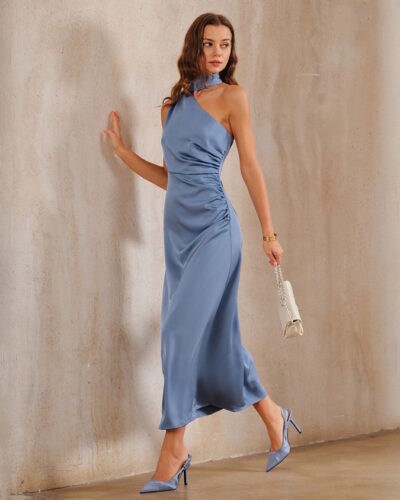
RIHOAS Blue One Shoulder A-Line Satin Maxi Dress

Color Should Support the Occasion

The usual rule still matters: avoid white, ivory, cream, and anything that could read bridal in photos unless the couple specifically asks for it. Beyond that, color is about mood and setting. Pastels and florals often suit spring and garden weddings. Jewel tones and deeper shades work well for evening celebrations. Black can be elegant for city, formal, or evening weddings, especially when the fabric and accessories keep the look celebratory.

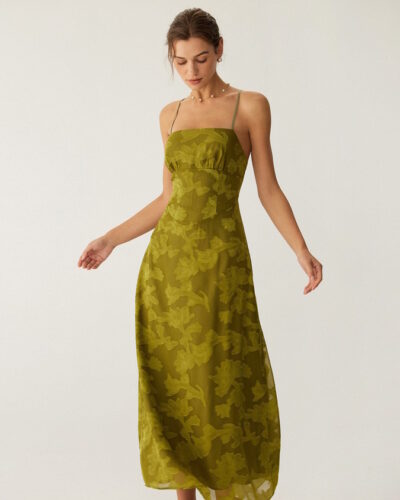
If you are unsure, look at the venue and season. A yellow satin midi may feel fresh for a warm-weather daytime wedding. A blue satin maxi can feel polished for an evening reception. A green floral dress can sit comfortably between romantic and relaxed, which is why florals remain one of the most reliable wedding guest choices.

Think About Fabric Before Accessories

Fabric changes the entire impression of a dress. Satin catches light and feels more evening-ready. Chiffon and mesh can feel softer and more romantic. Jacquard adds texture without needing much jewelry. Cotton or linen blends may work for very casual outdoor weddings, but they can look too relaxed for a formal reception.

A useful test is to imagine the dress with very simple styling. If it still feels complete with minimal heels, a small bag, and one piece of jewelry, the dress is probably strong enough. If it needs too many accessories to make sense, it may be better suited to another occasion.

Shoes, Bags, and Layers Matter More Than People Admit

Many wedding guest outfits fail at the practical details. Thin stilettos may look good in a mirror but sink into grass. A large day bag can make an elegant dress feel casual. A heavy jacket can interrupt the whole shape of the outfit.

For outdoor weddings, block heels, kitten heels, dressy flats, or sandals with enough support are usually smarter than very thin heels. For evening weddings, a small clutch or structured mini bag keeps the look clean. If the event may get cool, choose a wrap, cropped jacket, or light cardigan that looks intentional with the dress rather than something added at the last minute.

How to Choose a Wedding Guest Dress That Looks Good in Real Life
RIHOAS Green Floral Ruched Backless Slip Maxi Dress

Build a Small Wedding Guest Wardrobe Instead of Starting Over Every Time

Most people do not need a new dress for every wedding. A better approach is to own a few reliable pieces that can be restyled. One romantic floral midi, one satin midi or maxi, one darker cocktail dress, and one easy warm-weather dress can cover many invitations.

This is also where shopping becomes easier. Instead of searching for a vague idea of something pretty, look for the role the dress needs to play: garden wedding, formal evening, destination ceremony, cocktail reception, or summer dinner celebration. A focused search leads to better choices.

If your style leans feminine, romantic, and polished, the RIHOAS wedding guest dresses collection is a useful place to browse because it keeps the focus on wearable dresses rather than one-time statement pieces. The strongest options are the ones you can imagine wearing beyond the wedding day, with different shoes, jewelry, or layers.

The Best Dress Feels Appropriate and Personal

The most successful wedding guest look usually does not feel overplanned. It feels appropriate for the couple, comfortable for the setting, and personal to the person wearing it. That balance is what makes a dress useful.

A wedding is a shared occasion, so restraint matters. But restraint does not mean plain. It can mean a softer color, a better fabric, a cleaner neckline, or a silhouette that lets you move easily. When those details are right, the outfit feels elegant without asking for too much attention.

Understanding the Importance of Jewelry Maintenance for Longevity

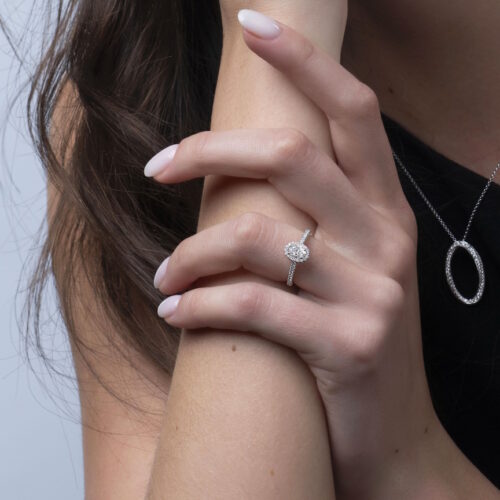
Understanding the Importance of Jewelry Maintenance for LongevityJewelry is often steeped in sentiment. It is more than decoration. It embodies memories, milestones, and memorable moments. Suppose you have diamond rings that your family passed down to you, or you bought them for a once-in-a-lifetime moment. In that case, you will want to have your jewelry in the best condition possible to avoid losing the glamour and lifetime of use. Caring for them will keep your investment forever, maintaining its shine and sparkle.
The Role of Regular Cleaning in Jewelry Maintenance

Cleaning your jewelry regularly is the first and foremost method of maintaining it. Dirt, oils, cosmetics, lotions, and environmental residue can build up on jewelry surfaces and gemstones over time, dulling their shine. Regular cleaning removes these buildups, restoring the brilliance of your pieces.

Gentler materials are a good choice for everyday cleaning. A damp, soft cloth and a little soap in warm water should do the trick. Try jewelry cleaning solutions made for delicate metals and stones for tougher stains. Avoiding harsh chemicals is essential, as they may harm the setting and the gemstone.

Safe Storage: Protecting Your Jewelry from Damage

Safekeeping is as crucial as cleaning when caring for your jewelry. Jewelry should be stored in a dry, cool place and away from sunlight because temperature and moisture extremes can lead to damage over time. “Using a jewelry box with individual compartments can help avoid pieces scratching against one another.” Use a hanging jewelry organizer for necklaces so they don’t get all tangled up.

If you end up paying for a safe or a secure storage unit, it is a smart move to save valuable items from theft. Avoiding extreme humidity or salty air, like in bathrooms or beach areas, for jewelry is also essential for the quality of the materials.

Understanding the Impact of Daily Wear on Jewelry

Some preventable activities result in accelerated jewelry wear, making removing your items while performing them vital. The most common reasons include exposure to harsh chemicals while exercising or cleaning diamond rings. Always take off jewelry before swimming, especially in water treated with chlorine, which can weaken metals like gold and platinum.

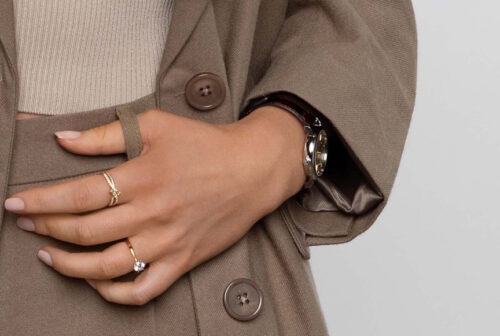
Also, do not expose jewelry to extreme temperatures. Hot tubs, saunas, and direct sunlight will affect the metal and the gemstones. For everyday pieces you don’t take off, such as engagement rings, set up professional check-ups to see if the prongs are secure and the stone is undamaged.

Why Professional Inspection is Essential for Jewelry Maintenance

Cleaning and proper storage can help immensely, but jewelry still needs occasional professional inspection. Over time, prongs can wear down, and gemstones can loosen or become displaced. A jeweler will look for any loose settings, damage, or signs of wear that might not be readily visible.

Trained specialists can also clean and remake jewelry that has seen better days and make it look new again. For items with detailed designs or multiple stones, a jeweler can also examine the state of each specific detail to be sure nothing is amiss. Regular inspections, at least annually, are critical to keeping your jewelry in optimal condition.

Understanding the Importance of Jewelry Maintenance for Longevity

Understanding Different Metal Care Requirements

Metal is metal, but not all metals are the same, and caring for each can prevent it from tarnishing, scratching, or weakening. Some metals are relatively soft, and scratching is familiar (gold, for example), while others (such as platinum) are larger and sturdier but will oxidize over time. Silver tarnishes in the air, so it must be cleaned more often. Understanding the characteristics of your metal will help you develop a maintenance routine.

For silver, use a polishing cloth designed specifically for silver. A mild cleaner explicitly designed for precious metals works on gold or platinum; harsh chemicals may strip finishes and coatings. Keep your polish gentle and avoid buffing too hard, especially around where there are small details and designs.

Importance of Jewelry Insurance and Documentation

Quality insurance will cover any loss or damage, and proper maintenance to keep your jewelry pristine. This is especially significant for significant pieces, whether inherited family heirlooms or items that hold high financial value. Insurance will cover getting stuff replaced or repaired if it’s lost, stolen or damaged, so that’s peace of mind.

Your insurance agent also needs documentation of the value of your jewelry, including photographs and receipts. If you have any damage, you need a clean record to aid your insurance claim or assist the jeweler in restoration. Remember to reflect any change in the piece’s value on your insurance policy and records, especially after repairs, or if you purchased extra coverage.

Conclusion

Jewelry care and maintenance are the keys to keeping its beauty and extending its life. Regular cleaning, safe storage, professional inspections and understanding the specific needs of various metals can do a lot to keep your pieces in good condition. Whether out of sentimental value or investment, your jewelry should receive the attention and care it needs to ensure longevity for future generations.

Beyond the Big Day: Creative Uses for Your Wedding Dress

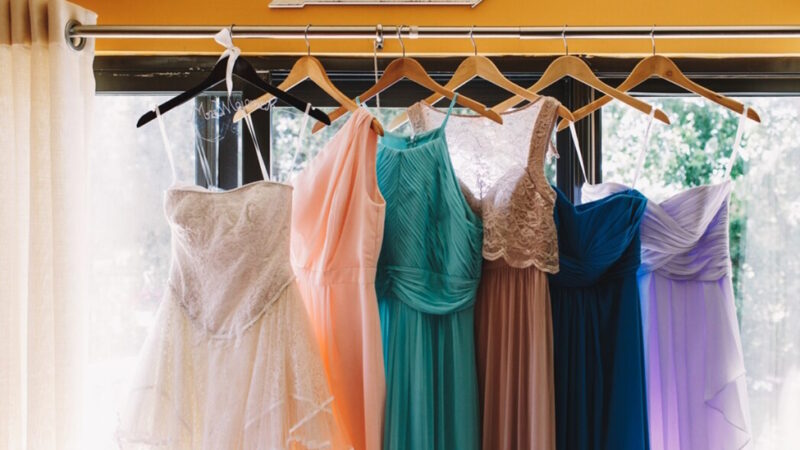
Creative Uses for Your Wedding DressYou’ve spent months searching for the perfect gown, pouring over lace details and envisioning how it will make you feel on your wedding day. Now, as you stand in front of the mirror, your heart skips a beat as you realize this dress is more than just fabric and stitches—it’s a symbol of love and anticipation. But beyond the wedding day itself, a question lingers: what happens to this cherished gown once the celebrations are over?

Many brides are now looking at their wedding dresses as something more than just attire for a single day. They see them as sources of lasting memories, decor, accessories, and even jewelry. If you’re interested in ways to make the most of your gown beyond the ceremony, we’ve put together ten creative ideas for you.

1. Preserve the Memories with a Wedding Dress Preservation Kit

One of the most popular and practical options for post-wedding dress care is preservation. A wedding dress preservation kit allows you to protect your gown from yellowing, stains, and fabric deterioration over time. These kits typically include cleaning and packaging materials designed to maintain your dress’s pristine condition. Restoration wedding dress is an ideal choice if you plan to store your gown as a keepsake or pass it down to future generations.

When choosing a wedding dress preservation kit, it’s essential to opt for a trusted provider, ensuring professional care and quality results.

2. Create Cherished Keepsakes

Your wedding dress holds sentimental value beyond its one-time wear. Transforming parts of your gown into keepsakes allows you to preserve its memory in everyday life. Consider these creative ideas:

  • Throw Pillows: Use fabric from your dress to create elegant throw pillows for your home. Every time you see them, they’ll remind you of your special day.
  • Handkerchiefs: Fashion delicate handkerchiefs from lace or satin sections of your gown. These can be cherished gifts for loved ones or future family members.
  • Framed Fabric Pieces: Frame a piece of your gown’s fabric as a beautiful wall art piece. It’s a subtle yet meaningful way to display a part of your wedding attire.

3. Pass on the Joy: Donate Your Dress

For brides who want to spread joy beyond their own wedding, donating your dress to charity can make a significant impact. Many organizations accept wedding dress donations to provide attire for brides who may not have the means to purchase their dream gown. Research local charities or national organizations that specialize in redistributing wedding attire, ensuring your dress finds a new purpose in making another bride’s day just as magical.

4. Fashion Forward: Repurpose Your Dress

If you’re intrigued by the idea of transforming your wedding dress into something new, consider these stylish options:

  • Cocktail or Evening Gown: Work with a skilled tailor to alter your dress into a glamorous cocktail or evening gown. Shortening the hemline, adding embellishments, or changing the neckline can give your gown a new lease on life for future formal events.
  • Fashionable Accessories: Use lace or beaded elements from your dress to create unique accessories like hairpieces, belts, or even a clutch purse. These accessories can add a touch of elegance to your wardrobe and serve as constant reminders of your wedding day.

5. Embrace Artistic Endeavors

For the creatively inclined, consider using parts of your dress in artistic projects:

  • Artwork: Incorporate fabric from your gown into a custom piece of artwork or sculpture. This artistic expression can capture the essence of your wedding day in a visually stunning way.
  • Quilting or Patchwork: Create a quilt or patchwork blanket using sections of your gown’s fabric. It’s a cozy and sentimental way to repurpose your dress into something that can be used and cherished daily.

6. Preservation Tips and Considerations

When opting for wedding dress preservation, follow these tips to ensure the longevity of your gown:

  • Professional Cleaning: Before preservation, ensure your gown is professionally cleaned to remove any stains or dirt that could cause discoloration over time.
  • Storage Conditions: Store your preserved gown in a cool, dry place away from direct sunlight and moisture. Acid-free tissue paper or packaging materials help maintain fabric integrity.

Conclusion

Your wedding dress is more than just clothing; it’s a symbol of love, joy, and cherished memories. By exploring these creative uses and preservation options, you can continue to celebrate your wedding day long after the last dance. Whether you choose to preserve it for sentimental reasons or repurpose it into new treasures, your gown’s journey doesn’t have to end at the altar. Embrace these ideas to ensure your wedding dress remains a beloved part of your life’s story, continuing to inspire and delight for years to come.