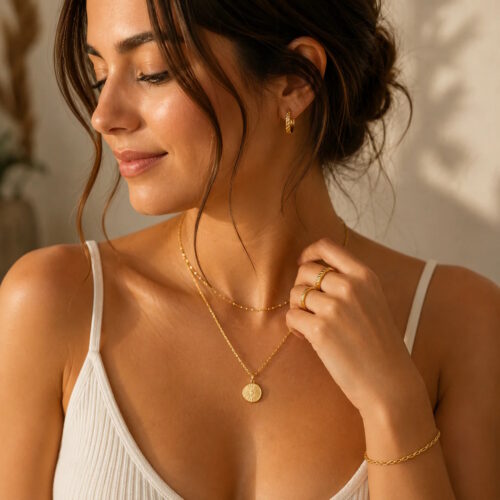
Ever bought a gorgeous gold piece online, only to watch it turn a dull, patchy brass within months? You’re not imagining the disappointment, and it’s exactly why so many people in the industry, from New York to anywhere else, have quietly shifted what they recommend.
Gold plated jewelry has dominated affordable fashion for years, but more jewelry buyers are increasingly choosing gold fill instead. The reasons come down to how each is actually made, not just style preference. Once you understand that difference, it’s easy to see why one holds up for years and the other doesn’t.
While they may look similar at first glance, the differences become clear with everyday wear. Here’s why gold filled jewelry is often the better long-term choice.
1. Superior Durability
Gold plating works by electroplating a very thin layer of gold, often just a fraction of a micron, onto a cheaper base metal like brass or copper. Picture a thin coat of paint brushed over a surface. It looks the part at first, but that coating is only ever skin deep, and it wears through with regular use, exposing the duller metal underneath within a matter of months.
Gold fill is built on a completely different process. A much thicker sheet of solid gold gets pressure bonded to a base metal core using heat, creating a layer that’s mechanically fused into the piece rather than simply coated on top. This isn’t a marketing distinction either. According to the Federal Trade Commission’s official Jewelry Guides under 16 CFR Part 23, jewelry legally labeled as gold filled must contain a gold layer equal to at least 1/20th, or 5%, of the item’s total weight. That’s a real, enforceable standard, not a loosely used term, and it’s exactly why gold fill can realistically last a decade or more instead of wearing out within a single season.
2. Everyday Practicality
The gap in actual gold content translates directly into how a piece holds up against everyday life. Plated jewelry typically comes with a mental checklist attached: take it off before washing your hands, before the gym, before a shower, since that thin surface layer fades and wears faster with any repeated moisture or friction.
Gold fill’s much thicker, bonded layer simply holds up better against all of that. It can generally handle showering, light exercise, and everyday friction without the same anxiety about exposing the metal underneath. That difference matters more than it might sound, since it’s one less thing to think about before getting dressed, which is exactly the kind of low maintenance durability that makes a piece worth wearing constantly rather than saving for special occasions.
3. Skin-Friendly Comfort
There’s a skin health angle here too. Once a plated layer wears through, whatever base metal sits underneath, often brass or copper, makes direct contact with skin. Those metals can trigger allergic reactions or the greenish discoloration that plated jewelry is notorious for.
Because gold fill’s gold layer is so much thicker, the base metal essentially never reaches the surface under normal wear, which makes it a noticeably better option for anyone with sensitive skin.
4. A Smarter Long-Term Investment
Gold plated jewelry looks like the better deal on price alone, but that math falls apart once you account for how often it needs replacing. A plated piece that fades or wears through within a few months means buying a replacement again and again, and those smaller costs add up faster than people expect.
Gold fill costs more upfront, but it holds its appearance for years rather than months. That makes it the better value over the life of the piece, even though the initial price tag is higher. It also occupies a genuinely useful middle ground: far more affordable than solid gold, but with real longevity that plating simply isn’t built to match.

Why Gold Filled Jewelry Works for Everyday Wear
For everyday jewelry buyers, durability matters just as much as appearance. A piece worn regularly needs to maintain its finish through daily activities, whether it is worn at work, during social events, or as part of a personal signature style.
Gold filled jewelry offers several advantages for everyday styling:
- Maintains its finish through repeated wear and handling.
- Photographs consistently across multiple shoots and campaigns.
- Reduces the need to frequently replace worn accessories.
- Helps build a reliable collection of versatile, long-lasting pieces.
Proper care plays an important role in preserving the beauty of any jewelry collection. Even durable materials like gold filled jewelry benefit from regular cleaning, careful storage, and simple maintenance to help maintain their shine over time.
If your collection also includes natural gemstones, such as opals, they require extra attention because they are more delicate than metal settings. Le Serey’s Opal Care Tips offer practical advice for cleaning, storing, and protecting opal jewelry, helping your favorite pieces stay beautiful for years to come.
Where to Find Genuine Gold Fill Pieces
Once you understand the difference, the next step is finding a retailer that clearly identifies the materials used in its jewelry. Reputable brands are transparent about whether a piece is gold filled or gold plated, making it easier to shop with confidence and know exactly what you’re paying for.
If you’re shopping for gold filled jewelry, look for retailers that provide detailed product descriptions, proper material markings, and clear information about their manufacturing standards. Transparency is often a good indicator of quality and helps you make a more informed purchase.
Taking a few extra minutes to compare materials, craftsmanship, and product information can help ensure you’re investing in pieces designed to maintain their beauty through everyday wear.
How to Confirm What You’re Actually Buying
Gold filled and gold plated pieces can look identical in a photo, so it helps to know what to look for before buying.
- Look for a stamp like “14K GF” or “1/20 14K,” which indicates the piece legally meets the gold filled standard.
- Be cautious of terms like “gold bonded,” “gold washed,” or “HGE,” which typically describe a plated product rather than genuine gold fill.
- Read the listing description carefully rather than relying on the photos alone, since the visual difference often isn’t visible until months of wear have passed.
Taking a few extra minutes to verify these details can help you avoid disappointment later. A clear product description and proper hallmark are good indicators that you’re getting the quality and durability you expect.
Conclusion
The shift toward gold fill isn’t a passing trend. It’s a response to a real, legally defined difference in how much actual gold sits in a piece of jewelry and how long that piece can last with proper care. For anyone tired of watching affordable gold jewelry fade within months, gold fill offers a more durable and reliable alternative without the higher price tag of solid gold.
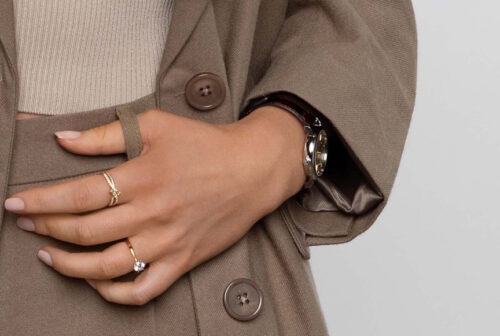 Jewelry is often steeped in sentiment. It is more than decoration. It embodies memories, milestones, and memorable moments. Suppose you have diamond rings that your family passed down to you, or you bought them for a once-in-a-lifetime moment. In that case, you will want to have your jewelry in the best condition possible to avoid losing the glamour and lifetime of use. Caring for them will keep your investment forever, maintaining its shine and sparkle.