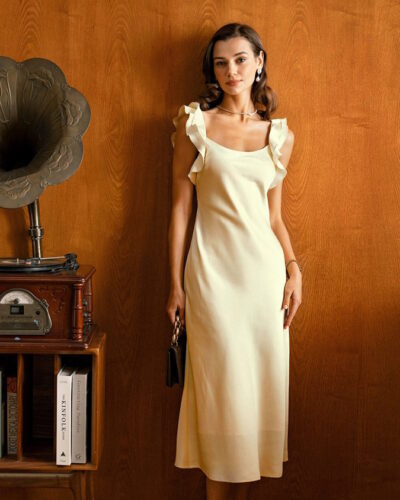
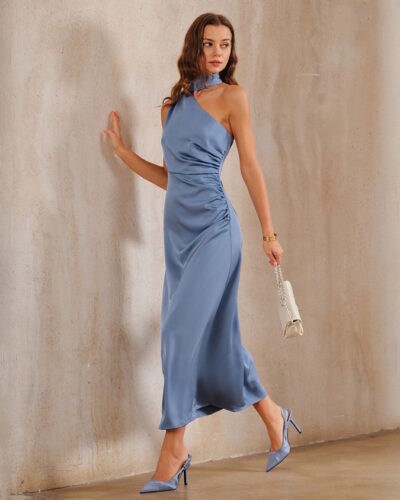
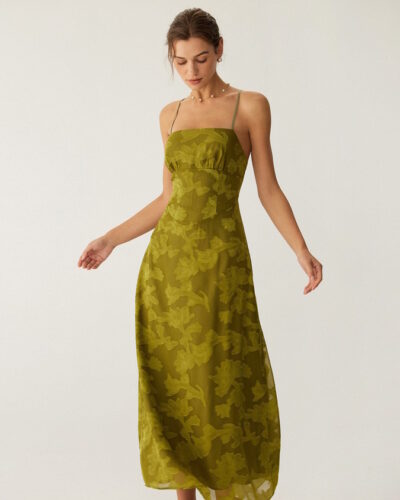
Khang Le Spring 2026 Fashion Show
Author: Couture Fashion Week
Couture Fashion Week was founded in 2005 by Andres Aquino. CFW presents a series of couture and luxury fashion shows in New York City and other selected cities.
Andres Aquino “Tales from the Sea” Spring 2026 Collection
Andres Aquino "Tales from the Sea" Spring 2026 Collection
Sustainable Accessories Elevate Luxury with Eco-Conscious Design

Fashion is evolving as sustainable accessories become more prominent. Consumers are increasingly demanding eco-friendly options, prompting the luxury market to innovate. This trend marks a significant shift in how luxury fashion is perceived and valued.
The luxury fashion industry is undergoing a transformative shift with the rise of sustainable accessories. As consumers prioritize eco-conscious choices, designers are integrating sustainable materials into their collections. This change reflects a response to environmental concerns and an evolution in luxury fashion aesthetics. Fashion enthusiasts are embracing pieces like leg warmers designed for warmth and comfort, showcasing the balance between style and sustainability.
Growing demand for eco-friendly luxury accessories
The presence of sustainable accessories at major fashion events is increasing, indicating a broader industry movement towards eco-consciousness. Designers are showcasing collections that feature sustainable materials, captivating audiences with innovation and elegance. You might notice how these events highlight new eco-friendly trends, making sustainability synonymous with luxury.
As you explore these fashion shows, you’ll see an array of accessories crafted from materials like recycled metals and organic fabrics. Designers are not only meeting consumer demands for sustainability but also redefining what it means to be luxurious. The integration of these materials into high-end fashion demonstrates the industry’s commitment to both style and sustainability.
Consumer awareness about environmental impact has reached unprecedented levels, driving a fundamental change in purchasing behavior within the luxury sector. Today’s discerning shoppers are conducting thorough research into brand practices, supply chain transparency, and environmental certifications before making investment purchases. This educated consumer base is willing to pay premium prices for accessories that align with their values, creating a lucrative market segment that luxury brands cannot afford to ignore. The demographic driving this change spans generations, from environmentally conscious millennials to Gen Z consumers who view sustainability as a non-negotiable aspect of their lifestyle choices.
Innovative use of materials and design
The types of materials used in sustainable accessories are diverse, ranging from recycled metals to organic fabrics. Designers are creatively incorporating these elements without compromising on the allure of luxury. For instance, you can find handbags crafted from upcycled leather or jewelry designed with repurposed precious stones.
This innovative approach extends beyond material use, influencing design aesthetics and functionality. By prioritizing sustainability, designers maintain the luxurious appeal of their products while promoting environmental responsibility. This dual focus ensures that the future of fashion remains stylish and sustainable.
Impact of eco-friendly designs on the industry
The shift towards sustainable accessories is reshaping industry standards and practices. Fashion houses are increasingly adopting eco-friendly methods, setting new benchmarks for luxury. This change is met with positive reactions from both critics and enthusiasts who appreciate the blend of innovation and environmental consciousness.
As you consider this trend, you’ll see how these changes influence not only design practices but also consumer expectations. Sustainable accessories signal a commitment to preserving the planet while still providing consumers with products that are both stylish and luxurious. The industry’s embrace of these practices highlights a broader cultural shift towards sustainability.
Future of sustainable luxury fashion
The future of sustainable luxury accessories looks promising, with ongoing innovations likely to drive wider adoption across the fashion industry. Designers are expected to continue exploring new materials and technologies that enhance both sustainability and design aesthetics.
This forward-thinking approach could lead to more accessible eco-friendly options within high fashion, broadening their appeal among consumers who value sustainability. As you consider your own fashion choices, recognizing this trend towards environmentally conscious design can inspire more thoughtful purchasing decisions.
The History of Pajamas: From Fashion to Modern Sleepwear

You’re sitting in your pajamas right now, maybe reading this while working from home, or perhaps you just put them on for bed.
It’s easy to take pajamas for granted. They’re comfortable. They’re convenient. You don’t think much about where they came from or why they exist.
But the history of pajamas is surprisingly fascinating. These pieces of clothing traveled across continents, changed cultures, transformed from public daywear to private sleepwear, and are now making a comeback as legitimate workwear.
Understanding where your pajamas come from changes how you think about them. They’re not just lazy clothing. They’re the result of centuries of cultural exchange, fashion evolution, and the human desire for comfort.
QUICK FACTS
- Original Purpose: Daily clothing for men and women in South Asia
- Where They Started: India
- When They Became Sleepwear: Early 1900s
- Current Statistic: 74% of Americans wear pajamas to bed
- Modern Trend: Many now wear PJs as workwear while working from home
- Most Popular Materials: Cotton, silk, bamboo viscose, flannel
WHAT ARE PAJAMAS TODAY?
In their current form, pajamas are comfortable sets of nightwear consisting of pants or shorts paired with a matching top. Simple enough.
But comfort is key. Pajamas can be made from any material that feels good against your skin: cotton, silk, flannel, bamboo viscose, or other breathable fabrics. The material matters because it determines how you sleep, how your body regulates temperature, and how long the pajamas last.
Modern pajamas prioritize comfort above all else. That wasn’t always the case.
WHERE PAJAMAS ORIGINALLY CAME FROM
This is where the story gets interesting.
Pajamas didn’t start as sleepwear. They started as everyday clothing worn by men and women in South Asia, specifically India. In that context, the word “pajama” (from the Persian “pāy-jāma,” meaning leg garment) referred to comfortable pants that tied at the waist.
These weren’t bedroom clothes. These were public clothes. Both men and women wore them as part of their daily dress in India and other South Asian countries before the 1600s. They were practical, comfortable, and culturally appropriate.
Then European traders and colonizers encountered them.
HOW PAJAMAS WENT GLOBAL
In the 1600s, a French traveler named Jean de Thevenot mentioned in his travelogue that Portuguese traders wore pajamas when going to bed. This marks one of the earliest known European references to the garment.
The British colonial forces stationed in India fell in love with the comfort of these pants. They brought them back to England, where merchants began selling them as fashionable loungewear. Merchants called them “mogul’s breeches,” marketing them as exotic, comfortable fashion items for the wealthy.
By the 1870s, pajamas became increasingly popular as loungewear for wealthy British gentlemen. They weren’t quite sleepwear yet, they were more like at-home clothing worn in private spaces.
The transformation was happening, though. Comfort was becoming fashionable.
THE EVOLUTION INTO SLEEPWEAR (EARLY 1900S)
Around the early 1900s, pajamas evolved into what we recognize today: matching pants and tops designed specifically for sleeping.
This was a significant shift. Pajamas went from being casual loungewear to dedicated sleepwear. The design became more refined, with bottoms and tops that matched and complemented each other.
For men, this transition happened relatively quickly. By the early 1900s, wearing pajamas to bed became increasingly common among middle and upper-class men, replacing nightshirts as the preferred sleepwear.
Women took a bit longer to adopt them.
PAJAMAS BECOME FASHIONABLE (1930S-MID 20TH CENTURY)
The 1930s marked a turning point. Women in the Western world began wearing pajamas too.
But here’s the interesting part: Hollywood played a huge role. Movie stars began wearing pajamas, and suddenly they weren’t just comfortable sleepwear, they were high fashion. Glamorous women wore luxurious pajamas, sometimes in public or for photographs.
Pajamas became aspirational. If a Hollywood star wore them, everyone wanted them.
Throughout the mid-20th century, pajamas remained popular but stayed primarily in the bedroom. They were what you wore to sleep, and that was that. Some people wore them for special occasions or luxury lounging at home, but they weren’t something you’d wear out in public.
That taboo slowly began to shift, though no one knew it yet.
PAJAMAS RE-ENTER PUBLIC SPACES (EARLY 2000S)
Something interesting started happening in the early 2000s. Pajama pants started appearing in public.
People wore them to run errands, to class, to casual outings. What had been private sleepwear was moving back into public consciousness, but now with a casual, relaxed connotation. Wearing pajamas out was seen as laid-back and comfortable, not fashionable, but acceptable.
This was the beginning of a cultural shift toward valuing comfort over strict dress codes.
THE PAJAMA REVOLUTION (2020S AND BEYOND)
Then the pandemic happened.
Millions of people transitioned to working from home. Suddenly, pajamas weren’t just for sleeping. They were workwear. People attended virtual meetings in pajamas. They spent their entire day in comfortable clothing instead of business attire.
And here’s what happened: they realized they preferred it.
The pandemic normalized something that had been building for years: comfort as a legitimate priority. Pajamas shifted from being “lazy clothing” to being practical, sensible workwear.
Today, 74% of Americans wear pajamas to bed. But increasingly, many are wearing them all day. Working from home in comfortable pajamas has become normalized in ways it never was before.
Pajamas have completed a remarkable journey: from everyday public clothing in South Asia, to exotic loungewear in Europe, to private sleepwear, to Hollywood fashion statement, to public casual wear, to legitimate workwear. They’ve come full circle, essentially, in their comfort and acceptability.
THE PAJAMA TIMELINE

WHY THIS HISTORY MATTERS
Understanding where pajamas come from helps you appreciate what they represent: centuries of people valuing comfort.
When you put on pajamas, you’re wearing something with a genuinely global history. You’re wearing clothing that traveled across continents, influenced fashion, and ultimately reflected humanity’s deep need for comfort.
That’s not something to take for granted.
MODERN PAJAMAS: MATERIALS AND COMFORT
Today’s pajamas come in countless materials, and the choice matters.
Cotton pajamas are classic and breathable. Silk pajamas are luxurious and smooth. Flannel pajamas are cozy and warm. And bamboo pajamas offer a unique combination of breathability, moisture-wicking, and thermoregulation, making them ideal for people who want comfort in any season.
The material determines how your body regulates temperature at night, how the fabric feels against your skin, and how long the pajamas last. In the context of pajamas’ history, where comfort has always been the driving force, choosing high-quality materials makes sense.
Your pajamas should reflect the same comfort-first philosophy that drove their creation centuries ago.
PAJAMAS FOR EVERY OCCASION
While most people think of pajamas as sleepwear, modern pajamas serve multiple purposes.
They’re sleepwear for rest and recovery. They’re loungewear for relaxing at home. They’re workwear for remote workers. And for special occasions, they’re even considered fancy. Luxury bridal pajamas are a popular choice for the night before a wedding: comfortable, elegant, and practical for looking good while staying comfortable.
The versatility of pajamas reflects how far they’ve come from simple South Asian drawstring pants. They’re now a wardrobe staple that serves different purposes for different people.
HONORING THE HISTORY
The next time you put on pajamas, remember their journey.
You’re wearing something created by people who valued comfort enough to wear it in public. You’re wearing clothing influenced by centuries of cultural exchange. You’re participating in a tradition that spans continents and centuries.
Whether you sleep in them, work in them, or lounge in them, your pajamas represent humanity’s enduring commitment to comfort. That’s worth appreciating.
For quality pajamas that honor this history of comfort, visit Cozy Earth and discover sleepwear designed for the modern comfort revolution.
FREQUENTLY ASKED QUESTIONS
Q: Why were pajamas originally called “mogul’s breeches”?
A: Colonial British merchants used this name to market them as exotic, luxurious items inspired by Indian royalty (“mogul” referring to the Mughal Empire).
Q: When did pajamas become popular for women?
A: The 1930s, largely influenced by Hollywood actresses who wore them and made them fashionable.
Q: Are pajamas different from loungewear?
A: Technically, loungewear is a broader category that includes pajamas, but pajamas specifically refer to matching pants and tops designed for sleeping.
Q: Why did pajamas become workwear?
A: The shift to remote work during the pandemic normalized wearing comfortable clothing while working. People realized comfort didn’t compromise productivity.
Q: What material is best for pajamas?
A: It depends on your needs. Cotton is classic, silk is luxurious, flannel is warm, and bamboo viscose offers excellent temperature regulation and moisture-wicking.
Q: Are there different pajama styles?
A: Yes. Some are button-up tops with pants, some are pullover tops, some have shorts instead of pants, and some are more fitted while others are loose and relaxed.
Q: Why did it take so long for pajamas to become acceptable as public wear?
A: Cultural norms around appropriate public clothing were strict. It took the casual culture of the 2000s and the normalization of remote work to shift attitudes about comfort.
Prescription Glasses Guide: How to Choose the Right Frames for You

Getting a new eyeglass prescription doesn’t have to be boring. Your glasses aren’t just a medical device; they’re part of how you look and how you feel about yourself.
The problem: most people walk into an optometrist’s office, grab whatever is in the display case, and call it done. Then they spend the next year wearing frames they don’t actually like.
That’s a waste.
Your prescription glasses can be stylish, actually flattering to your face, and come with real features that make your eyes more comfortable. You don’t have to choose between looking good and seeing clearly. You can have both.
This guide walks you through exactly how to find prescription glasses you’ll love, the kind you’ll actually want to wear.
QUICK REFERENCE TABLE

STEP 1: KNOW YOUR FACE SHAPE (IT MATTERS MORE THAN YOU THINK)
When you’re picking glasses, face shape is your north star. It determines whether frames will look balanced or weird.
There are four main face shapes: round, square, oval, and heart-shaped.
- Round faces benefit from angular frames. Square shapes break up the softness of your face and add definition. Try rectangular or geometric styles.
- Square faces work better with rounder frames. Circles, cat eyes, or rounded rectangles soften your jawline and balance out your strong angles.
- Oval faces are the lucky ones; anything works. You can experiment more freely because your face is already proportional.
- Heart-shaped faces (wider forehead, narrower chin) benefit from frames that are wider at the bottom. Aviators and cat eyes work well here.
These aren’t hard rules. They’re guidelines that usually point you in the right direction. But the most important thing is that the frames feel right when you wear them.
Also consider frame size. If you’ve always felt like options are oversized, you’re not alone. Some people need standard sizing, some need minis, some need low-bridge fits. Sizing matters just as much as shape.
The easiest way to figure this out? Use a Virtual Try-On Tool. You can see what different shapes and sizes actually look like on your face before you commit.
STEP 2: CHOOSE YOUR STYLE (THIS IS WHERE YOU HAVE FUN)
Once you know your face shape, it’s time to pick a style that speaks to you.
There are tons of options: rounds, squares, cat eyes, aviators, shields, pantos, geometrics, and more. You’re not limited to boring choices.
Cat eyes are having a huge moment, and they work on most face shapes when sized right. They add personality and sophistication.
Aviators are timeless for a reason. You might want a matching pair of polarized aviator sunglasses for everyday wear. They work for men and women and fit most face shapes.
Rounds are retro-cool and work exceptionally well for square or angular faces.
Geometric and geometric-ish frames are trendy right now and add character without being too bold.
Color matters, too. Some people stick with neutrals, tortoise, black, and crystal clear. Others go bold with pink, blue, or deep jewel tones. You don’t have to pick a safe color. Pick what makes you happy. You’re looking at these frames every day.
And the details? Luxe gold embellishments, two-toned frames, interesting bridge designs, these small touches can elevate a frame from basic to “wow, where’d you get those?”
STEP 3: UNDERSTAND YOUR PRESCRIPTION
Before you order, you need three things from your eye doctor: your prescription, your pupillary distance, and confirmation that your prescription is current (usually valid for 1-2 years).
What’s in Your Prescription?
Your prescription looks something like this:
- Sphere (SPH): Your main prescription (-3.50, +2.00, etc.)
- Cylinder (CYL): Correction for astigmatism
- Axis: The angle of astigmatism correction
- Pupillary Distance (PD): The distance between your pupils
Online retailers like Quay fill single-vision prescriptions ranging from +4 to -6, with astigmatism up to ±4. Single vision means one prescription strength throughout the entire lens, whether you’re correcting distance vision, intermediate, or reading.
Finding Your Pupillary Distance
Pupillary distance is the distance from the center of one pupil to the center of the other. This is critical because it tells the lab where to center your prescription on your lenses.
Some optometrists write it on your prescription. If yours didn’t, you can measure it yourself:
- Grab a ruler
- Align the zero mark with the center of one pupil
- Measure to the center of your other pupil
- That number in millimeters is your PD
It should be somewhere between 54mm and 74mm. If your number seems way off, measure again.
You can also use a Virtual Try-On Tool to measure your PD with your phone camera. It takes about 30 seconds.
STEP 4: THINK ABOUT LENS FEATURES
Once you’ve picked your frames, you need to think about what’s happening with your lenses.
Lens Thickness Matters
If you have a stronger prescription (especially a harmful one), thicker lenses become more noticeable, especially with thin or delicate frames. High-index lenses are thinner and lighter than standard polycarbonate lenses. They use less material, so your glasses look better and feel more comfortable to wear.
The good news: Quay includes high-index lenses at no extra charge. You’re not paying extra for better aesthetics and comfort.
Blue Light Protection
Blue light is high-energy visible light (HEV) emitted from digital screens. For some people, it’s associated with disrupted sleep and eye strain, which people call “digital eye fatigue.”
All Quay prescription lenses come in a wide range of trendy sunglasses for women styles with blue light technology that filters out specific HEV wavelengths. If you spend 8+ hours a day looking at screens (phone, computer, tablet), this actually makes a difference.
Coatings
Your lenses come standard with:
- Anti-reflective coating: Reduces glare and reflections
- Scratch-resistant coating: Protects against daily wear
- Smudge-resistant coating: Makes cleaning easier
- 100% UVA/UVB protection: Protects your eyes from sun damage
None of these cost extra. They’re just included.
STEP 5: ORDER AND DOUBLE-CHECK EVERYTHING
When you’re ready to order, here’s what you need:
- Unexpired prescription (usually valid for 1-2 years)
- Pupillary distance (measured or from your optometrist)
- Frame choice (size and color)
- Lens preferences (already selected, blue light, high-index, coatings)
Upload your prescription to the Quay’s website. Double-check your PD. Confirm your frame size. Hit order.
The entire process takes 5 minutes if you already have your information ready.
FREQUENTLY ASKED QUESTIONS
Q: How do I know if I’m ordering the right size?
A: Face shape and the Virtual Try-On Tool are your best friends. Measure your current glasses if you have ones that fit well. Or order once, try them on, and if the size is wrong, return them and order again.
Q: Will my prescription glasses actually look good?
A: Yes, if you pick a frame style that works for your face shape. The Virtual Try-On Tool shows you exactly what the frames look like on your face before you commit money.
Q: Do I really need blue light protection?
A: If you spend all day on screens, yes. It’s free. Your eyes will feel less tired at the end of the day.
Q: Can I order prescription sunglasses, too?
A: Yes. Same process. Pick a sunglass frame style, upload your prescription, and get tinted prescription sunglasses.
Q: How often should I get a new prescription?
A: Generally every 1-2 years, or whenever you notice your vision changing. If you’re having trouble seeing the board at work or can’t read clearly, that’s a sign to get checked.
Start 2026 Right: 8 Gifts for Your Best Friend

Your best friend is about to start 2026. New goals. New energy. New opportunities.
The gifts you give now matter. They’re not just things sitting on a shelf. They’re support. They’re saying something important: “I believe in you for 2026. Here’s something that helps you get there.”
The best gifts for your best friend aren’t flashy or trendy. They’re gifts that help them show up as their best self. Confidence. Comfort. Health. Energy. Clarity. These are the gifts that actually land.
Here’s what supports someone genuinely going into 2026.
8 GIFTS THAT SUPPORT YOUR BEST FRIEND’S 2026

#1 – SELF-CARE BODY SCRUB: WELLNESS RITUAL STARTS AT HOME
Self-care isn’t weakness. It’s preparation. When your friend invests in a proper grooming routine, he’s investing in himself.
Men’s body scrub is part of that investment. It’s not just cleaning. It’s a ritual. It’s taking 10 minutes to care about your body and how you feel.
When he uses a quality body scrub, his skin feels better. He feels more polished. He carries that feeling into his day.
This is the gift that says, “I believe you’re worth investing in yourself. I believe you’re going to show up strong in 2026.”
Quality self-care products are something guys rarely buy for themselves. But when someone gives them as a gift, the message hits different. It’s personal. It’s supportive. It’s saying you matter.
#2 – SLIP RESISTANT WORK SHOES: SAFETY AND COMFORT ON THE JOB
If your best friend works on his feet — in retail, food service, construction, or any work environment where safety matters — slip-resistant shoes are essential.
Slip resistant shoes for work aren’t just about safety. They’re about comfort. They’re about getting through a full shift without his feet screaming.
Quality slip-resistant shoes prevent injuries. They prevent foot pain. They show that you care about his safety and well-being at work.
This is the gift that says: “I want you to be safe and comfortable while you’re working.” That matters more than he might say out loud.
#3 – FITNESS TRACKER: GOAL SUPPORT AND ACCOUNTABILITY
He’s probably got fitness goals for 2026. Maybe he wants to run more. Maybe he wants to walk daily. He may want to track activity and see progress.
A quality fitness tracker gives him more than just data. It gives him motivation. It holds him accountable. It celebrates progress. It shows improvement over time.
When he hits a milestone, the tracker celebrates with him. When he’s got a rough day, he can see the bigger picture of his progress. This is the gift that supports his goals daily.
#4 – PREMIUM WATER BOTTLE: HYDRATION HABIT BUILDS FROM SMALL THINGS
Staying hydrated seems simple. But it’s often overlooked. A quality water bottle he actually likes using makes it easier.
This seems small. But hydration affects energy levels, skin health, mental clarity, and workout recovery. It compounds.
When he reaches for his water bottle throughout the day, he’s reminded that someone cares about his health. That matters.
#5 – SLEEP MASK OR PREMIUM PILLOW: RECOVERY IS WHERE 2026 STARTS
Sleep is foundational. It’s where 2026 starts. Better sleep means better energy. Better energy means better decision-making. Better decision-making means a better year.
A quality sleep mask or premium pillow helps him sleep more deeply. It’s an investment in recovery.
When he’s rested, everything is easier. Stress is more manageable. Goals feel achievable. He shows up better.
This gift supports his foundation.
#6 – MEDITATION APP SUBSCRIPTION: MENTAL HEALTH MATTERS
2026 is going to have stress. Work stress. Relationship stress. Life stress. It’s inevitable.
A meditation app subscription gives him tools to manage stress before it manages him. It gives him clarity. It gives him perspective.
This gift says something important: “Your mental health matters. I want you to have tools to take care of it.”
One year of access to quality meditation means 365 days of support.
#7 – PREMIUM SOCKS: OVERLOOKED COMFORT FELT EVERY DAY
Premium socks don’t sound exciting. But think about it: They’re worn every single day.
Bad socks cause blisters. They bunch up. They slide around. They get holes. Good socks prevent all of that. Quality merino wool or premium cotton socks keep feet comfortable all day.
He probably won’t buy himself premium socks. But he’ll appreciate them every time he puts them on. That’s 365 small moments of appreciation.
#8 – GOAL-SETTING JOURNAL: VISION BECOMES REAL WHEN YOU WRITE IT DOWN
Something shifts when you write goals down. They stop being thoughts. They become real.
A quality journal gives him space to write his 2026 goals, track progress, and reflect on growth. Every time he opens it, he’s reminded of what he’s working toward.
This is the gift that keeps giving all year. It’s not a one-time present. It’s an ongoing tool.
This gift says: “I want to see you succeed. I want to support your vision for 2026.”
WHY THESE GIFTS WORK FOR YOUR BEST FRIEND
The best gifts support someone’s growth. They’re not distractions. They’re tools.
Your best friend is starting 2026 with energy and intention. These gifts support that energy. They build confidence. They improve comfort. They support health. They create clarity.
When you give gifts like these, you’re saying something important without saying it: “I see you. I believe in you. I want you to win in 2026.”
THE PSYCHOLOGY BEHIND SUPPORTIVE GIFTS
Research on gift-giving shows that the most meaningful gifts are those that support someone’s identity or goals. A fitness tracker isn’t just a gadget, it’s support for his fitness goals. A journal isn’t just paper, it’s support for his vision.
When you give gifts that align with someone’s aspirations for the new year, they become meaningful on a deeper level. It’s not just an object. It’s a statement of belief in who they’re becoming.
TIMING MATTERS FOR NEW YEAR GIFTS
January 1-15 is the window when people are energized about 2026. Gifts during this window feel like part of the momentum. They’re not random. They’re intentional.
COMMON QUESTIONS ABOUT BEST FRIEND GIFTS
What if my friend already has some of these?
Ask directly or observe what they use. But self-care products, comfort items, and wellness tools are things people upgrade or use up. Upgrade to a better quality than what they have.
Should I combine gifts or just pick one?
Combine them. Quality work shoes, plus body scrubs, plus a journal equals a complete “start 2026 right” package. It shows intention and support.
How much should I spend in total?
$100-300 for a best friend is standard. Mix price points. Some items cost $25. Others cost $100. It balances out.
Will my friend think practical gifts are boring?
No. Guys appreciate practical gifts that improve their actual daily life far more than gimmicks or novelties. These gifts deliver real value.
What if my friend isn’t into self-improvement?
Everyone wants to feel good about themselves. These gifts support whether he’s goal-obsessed or not. Confidence, comfort, and health matter to everyone.
Should I get personalized or plain versions?
Plain quality items are usually better. They feel less like novelties and more like genuine products you’d buy for yourself.
Raw Vegan Supplements Explained Plus How Sun Warrior Active Energy Lifts Your Daily Performance
If you’ve ever stood in front of a supplement shelf and wondered why some athletes swear by raw vegan supplements, you’re not alone.
A lot of us reach that point where our usual routines simply stop giving us the spark we expect. Maybe mornings drag. Maybe your focus dips halfway through a workout. Or maybe you’ve been trying to clean up your nutrition but still feel like something is missing.
That’s usually when people start digging into raw, minimally processed options, and that’s where the conversation gets interesting.
Raw plant-based formulas aren’t built around the usual shortcuts. They skip heat processing, artificial flavor systems, harsh stabilizers, and all the “mystery steps” that turn good ingredients into something unrecognizable.
Instead, these supplements lean on whole-food nutrients that your body can actually use without a fight. And yes, there is a real difference in how you feel when your body gets what it recognizes.
What “Raw Vegan” Really Means and Why Some People Notice the Change Fast
The phrase “raw vegan supplements” sounds trendy until you break it down.
“Raw” simply means the ingredients haven’t been cooked or exposed to high heat. Once you heat something like enzymes, vitamins, or delicate plant compounds, a chunk of their natural function disappears. Keeping them raw preserves more of what makes them effective.
“Vegan,” of course, means no animal-derived pieces anywhere in the mix. Instead of whey, gelatin, or collagen from animal sources, you get nutrients pulled from fruits, roots, leaves, seeds, and minerals.
Taken together, this style of supplement tends to feel lighter on digestion and steadier in how it releases energy. Many people describe it as “clean energy,” not the spiking, buzzing kind, but a calm sense of being switched on.
How Sun Warrior Active Energy Comes Into Play
If you’ve been trying to find something to help you push through mid-day slumps or workouts that demand more mental clarity than caffeine can give, Sun Warrior Active Energy usually sparks interest quickly.
Unlike the typical energy booster that hits you with a huge stimulant load, Active Energy takes a layered approach:
- Organic B-vitamins for natural metabolic support
- Fermented plant extracts that actually feel gentle
- Adaptogens that help your body respond better under physical or mental stress
- Electrolytes from clean sources for hydration that don’t feel sugary or heavy
It’s not built to hype you up so you crash later. It’s meant to pull your body a little closer to “balanced,” so the energy you feel is truly yours.
Most people notice two things first: they don’t get jittery, and they can actually think clearly while moving. That’s an underrated part of performance, whether you’re in the gym or just trying to stay sharp through a long afternoon of work.
Why Raw Vegan Supplements Fit Into a Busy Daily Rhythm
You don’t need to be a dedicated athlete to benefit from raw plant-based formulas. The reason they fit into modern routines so well is simple: they remove friction.
- No heavy stomach afterward.
- No guessing whether the ingredient panel hides something artificial.
- No weird crash an hour later.
They also pair easily with real food. You can mix them into a smoothie, shake them with water, or just pack them in your bag without planning too far ahead. Busy days are easier when your supplements don’t demand a complicated setup.

A Broader Benefit – Less “Noise” in Your System
One thing people often don’t expect but appreciate once they feel it is how much “noise” disappears when they switch to raw plant-based nutrients. Less bloating, less nervous tension, fewer dips in concentration.
When there’s nothing artificial for your system to process, your body just gets to do its job.
This is also why Active Energy blends nicely with other raw vegan options. You’re not stacking stimulants on top of stimulants. You’re giving your body clean inputs that support each other.
A Practical Way to Start
If you’ve been curious but unsure where to begin, the simplest approach is this:
- Pick some raw vegan supplements and use them consistently for a week.
- Notice how you feel in the morning, the afternoon, and especially before movement.
- Once you’re familiar with those shifts, add SunWarrior active energy on days when you need more focus or drive.
Most people don’t need more complexity than that. Your body will tell you very clearly when something aligns with your natural rhythm.
When You Want Energy That Feels Like You
At the end of the day, raw vegan supplements and Active Energy aren’t about creating fake strength. They’re about clearing out the clutter so your own energy can show up more reliably.

If you’re trying to stay sharp, move better, train smarter, or simply feel more present throughout your day, these are the kinds of tools that make the difference noticeable. Not dramatic, not chaotic, just noticeably better.
And for many people, that shift alone changes everything.
Why Proper Storage Is the Key to Preserving Couture and Accessories

Couture pieces have complicated behaviors, handwork and materials that deserve special treatment, and proper storage facilities against dampness, sun, dust, daily wear and tear. Items that have been carefully stored retain their shape, color and structure for years, meaning it’s that much easier to wear and enjoy them.
Many in the U.S. buy couture for other fashion events, for their collections or themselves, and good storage protects the investment and keeps it from fading and stressing the fabric. Anyone can make a habit of “caring for” couture and accessories so that they look as gorgeous as they did when they left the shop.
FAQ for Couture Care
Many readers look for guidance on keeping couture pieces and accessories in great condition, especially when storing items for long periods. This section answers common question keywords and gives simple explanations anyone can follow. Proper storage helps reduce fabric stress, prevent fading, and keep delicate structures intact. Some people also use external solutions such as storage units on Katy Fwy Houston when they need climate-controlled space for long-term preservation. With the right approach, even fragile couture pieces can remain beautiful for years.
How should couture clothing be stored?
Couture items should be kept in a cool, dry place away from sunlight. Use padded hangers for structured garments and breathable garment bags to protect delicate fabrics from dust and moisture.
Why is climate control important for accessories?
Heat and humidity can warp leather, weaken glue, and damage embellishments. A stable environment keeps materials from drying out or becoming misshapen, which helps accessories maintain their original form and texture.
What prevents fabrics from losing their shape?
Proper support is the key. Avoid thin hangers, overcrowded closets, and heavy stacking. Always give each piece room to breathe so stitching and structure stay strong.
Fast Tips for Better Storage
Preserving couture and accessories becomes easier when small habits become part of a regular routine. These quick tips help prevent damage, reduce clutter, and keep delicate pieces ready for special occasions or everyday wear.
- Use breathable garment bags, not plastic covers.
- Stuff handbags with soft filler to keep their shape.
- Store jewelry separately to avoid scratches.
- Keep shoes in dust bags with gentle support inside.
- Review items monthly to remove dust and adjust placement.
These steps help reduce tension on fabrics and protect the fine details that make couture special. A simple routine can extend the life of treasured pieces and make dressing easier and more enjoyable.
Brief timeline:
Most people begin by replacing old hangers, then add breathable covers and gentle support for handbags and shoes. Over time, a dedicated space emerges, followed by regular monthly checkups. As routines strengthen, the storage system becomes natural and helps couture pieces stay in excellent condition with minimal effort.
Preventing Wear and Distortion
Couture pieces often lose their structure when they are stored without proper support. Delicate fabrics stretch, beadwork becomes stressed, and accessories can flatten or warp over time. Creating a gentle, stable environment protects these items so they maintain their original shape and elegance. This helps US residents enjoy their couture longer and reduces the risk of unexpected damage when pieces are taken out for special occasions.
Supporting Each Garment
Good support begins with simple habits. Padded hangers help structured garments stay upright, and careful spacing prevents stitching from pulling. Accessories benefit from light internal filling that keeps their form steady without applying pressure. Practical checklist: choose padded hangers, avoid overcrowding, add soft fillers to bags, place shoes with gentle shaping inside, and store items in breathable covers. These easy steps keep materials relaxed and prevent long-term distortion.
Creating a Safe Resting Space
A stable resting space helps delicate items stay smooth and balanced. Closets or storage areas should be free from heavy stacking, harsh light, and compressed clothing. With a calm environment and steady airflow, garments remain soft, vibrant, and ready to wear.
A Simple Perspective on Better Storage
Many people think preserving couture requires a professional setup, but small, thoughtful habits offer most of the protection these items need. A gentle approach that blends structure, spacing, and routine care can keep garments and accessories in excellent condition without complicated systems.
Why This Approach Works
This method focuses on what truly matters: reducing pressure, avoiding moisture, and giving each piece room to breathe. When items rest naturally, their materials stay stronger, and their forms remain recognizable and elegant. This makes dressing feel smoother and more enjoyable because everything is ready without last-minute repairs or adjustments.
A Practical Way to Preserve Couture
Treating storage as part of caring for couture helps protect valuable pieces for many years. With simple steps and consistent attention, anyone can create a safe environment that supports the beauty, shape, and charm of their favorite couture and accessories.

Real Storage Habits That Work
A boutique owner in New York shared how proper storage changed the long-term condition of the couture pieces she managed. Before improving her system, garments often showed early signs of wear, such as softened structure, light creasing, and fading from uneven exposure. Accessories also lost their shape when stored in crowded drawers. After creating a gentle, organized storage routine, the boutique noticed fewer issues, happier clients, and longer-lasting inventory. This real experience shows how simple adjustments can protect delicate fashion pieces across different seasons.
What Improved Day to Day
The boutique staff found that garments stayed smoother and more vibrant once they stopped using plastic covers and switched to breathable materials. Handbags kept their curves with soft internal supports, and jewelry remained untangled by placing each piece in its own fabric pouch. These small changes reduced stress on fabrics and made daily preparation easier. The team also spent less time fixing small damage, which made operations smoother and increased customer confidence in the items they purchased.
How the Process Was Built
“We made it simple for anyone to follow as well. It’s a familiar method for everyone who works here, borrowed from the houses of fashion: we separated by material and sensitivity. Swapped thin hangers for padded. Stuffed soft fillers in handbags. Stored shoes upright with a gentle shape, preserving as much of the original design in that medium as we could. Put accessories in separate pouches, away from sunlight, with some airflow in those storage areas. Ticked off a checklist each week for shifting, dust or any early sign of wear. The process kept it all verifiably orthogonal, not twisted out of shape long term.”
Final Thoughts
Proper storage is more than a routine; it is a way to protect the artistry and value found in couture and accessories. When items remain supported, clean, and safely arranged, they retain their structure and beauty over time. Anyone who invests in couture deserves the peace of mind that comes from knowing their pieces will look just as stunning years from now. By committing to thoughtful storage habits, you reinforce why proper storage is the key to preserving couture and accessories.
How to Negotiate Confidently With Jewelry Buyers in Aventura
In Aventura’s upscale jewelry market, buyers value confidence, transparency, and a clear understanding. Consulting an expert jewelry buyer in Aventura from Pawn Jewelry can provide valuable insight into accurate pricing and market trends.
Sellers who know their piece’s worth—supported by solid research or a professional appraisal—gain a stronger negotiating position, leading to fair and mutually beneficial outcomes.
Understand the Jewelry Market in Aventura
Before even stepping into a negotiation, it’s crucial to understand the local jewelry market in Aventura. Aventura is home to a diverse clientele, including residents, tourists, and collectors who value both luxury and craftsmanship. Jewelry buyers in this area are familiar with popular brands, market trends, and the demand for certain gemstones and metals.
Start by researching the following:
- Current Market Prices: Check the going rates for gold, silver, platinum, and gemstones.
- Local Jewelry Shops: Identify the reputable buyers in Aventura. Some stores specialize in luxury items, while others deal with resale or estate jewelry.
- Demand Trends: Certain jewelry styles or brands may have higher resale value due to local demand.
Understanding these factors gives you a baseline for evaluating offers and prevents you from accepting undervalued bids.
Get Your Jewelry Appraised Professionally
One of the biggest mistakes people make when selling jewelry is entering negotiations without knowing the true value of their item. A professional appraisal provides a detailed report of the jewelry’s quality, authenticity, and market value.
Here’s what you should do:
- Choose a Certified Appraiser: Look for appraisers accredited by organizations like the Gemological Institute of America (GIA) or the American Gem Society (AGS).
- Request a Written Appraisal: This includes details about the metal type, karat, weight, gemstone quality (cut, clarity, color, and carat for diamonds), and overall condition.
- Understand the Appraisal: Don’t just accept the numbers; learn what each aspect of your appraisal means. Knowing why your jewelry has value helps you articulate it to buyers confidently.
A professional appraisal is like your secret weapon. Buyers are more likely to take your item seriously if you can present verified documentation of its worth.
Set a Realistic Price Range
Once you know your jewelry’s market value, it’s time to establish a price range. A realistic range is essential for negotiation, as it gives you flexibility while also keeping your expectations grounded.
- Minimum Acceptable Price: Determine the lowest offer you’re willing to accept. This ensures you don’t sell at a loss.
- Target Price: This is your ideal outcome based on appraisal, market trends, and comparable sales.
- Room for Negotiation: Typically, buyers will negotiate downward, so factor in a buffer to allow for bargaining.
Having a clear price range prevents you from being swayed by emotional reactions during the negotiation and gives you confidence to stand firm.
Research the Buyer
Every jewelry buyer operates differently. Some prioritize quick transactions, while others are willing to pay more for rare or high-quality pieces. Doing a little research on potential buyers in Aventura can give you an advantage:
- Reputation: Look for reviews online or ask for references. A trustworthy buyer will be transparent and fair.
- Specialization: If your item is vintage or designer, target buyers who specialize in such pieces.
- Buying Process: Some buyers offer immediate cash, while others may require time for evaluation. Knowing their process helps you prepare mentally for the negotiation.
The more you know about your buyer, the better you can anticipate their strategy and respond confidently.
Understand Buyer Tactics
Being aware of common tactics used by jewelry buyers can prevent you from being taken advantage of:
- Lowball Offers: Starting with a price far below market value is standard. Counter confidently with justification.
- Emphasizing Market Downturns: Some buyers may claim a decrease in market prices to pressure you. Verify current trends independently.
- Creating Urgency: Pressure tactics like “offer valid only today” are designed to rush your decision. Stay calm and don’t feel obligated to accept immediately.
Recognizing these tactics allows you to negotiate strategically rather than emotionally.
Close the Deal Safely
Once you’ve reached an agreement, ensure the transaction is secure:
- Use Written Agreements: For high-value items, a written contract or receipt protects both parties.
- Secure Payment: Cash is common, but for large transactions, certified checks or bank transfers may be safer.
- Confirm Terms: Make sure all details—price, payment method, and transfer of ownership—are clear and documented.
A professional approach safeguards your jewelry and reflects positively on you as a seller.
Stay Professional and Polite
Negotiating confidently doesn’t mean being aggressive or confrontational. Maintaining professionalism is key:
- Respectful Communication: Stay polite and courteous, even if you disagree on value.
- Positive Body Language: Maintain eye contact, an upright posture, and a calm demeanor.
- Avoid Over-Explaining: Answer questions clearly, but don’t over justify your pricing; confidence is persuasive.
A professional approach builds trust with buyers and often leads to better offers.
Mastering Confident Negotiations with Aventura’s Jewelry Buyers
Negotiating with jewelry buyers in Aventura doesn’t have to be stressful. With thorough research, a professional appraisal, a realistic price range, and practiced communication, you can approach every negotiation with confidence.
Selling jewelry is more than just a transaction; it’s about recognizing the value of your possessions and ensuring you’re compensated fairly.
By preparing adequately and staying confident throughout the process, you can secure the best possible deal without compromise!
Pawn Jewelry – Aventura, FL
19790 W Dixie Hwy, Suite 1108-A, Miami, FL 33180
954-323-8475
How to Spot Red Flags When Dealing With Rolex Buyers
When you sell a Rolex, you deserve a process that feels clear, secure, and respectful from the first conversation to the final payout. Unfortunately, not every interested buyer upholds that standard—especially when the interaction begins online or through unfamiliar referrals.
Recognizing early warning signs is essential. Subtle pressure to rush, incomplete or evasive answers, unclear payment terms, or reluctance to provide proper identification and documentation can all signal unnecessary risk and potential loss.
By understanding these behaviors and knowing what to question, you can protect your investment, choose only reputable professionals, and confidently get the best value for your Rolex with Diamond Banc.
Key Buyer Red Flags
1. Communication Patterns
Be cautious of Rolex buyers that avoid clear, professional communication. Red flags include no official email address, refusal to speak by phone or video, inconsistent information, or generic responses that don’t address your specific watch. A trusted buyer is transparent, patient, and willing to answer your questions clearly.
2. Payment Demands
Reputable Rolex buyers outline secure, documented payment options upfront—such as verified wire transfers or in-person payment at an established location. Be wary of any buyer who:
- Asks you to ship the watch before confirming the transaction details in writing
- Proposes unclear or overly complicated payment arrangements
- Sends a suspicious “overpayment” and asks for a refund of the difference
These behaviors can indicate attempts to exploit gaps in the process.
3. Urgency and Pressure
Professional buyers respect due diligence. If a buyer pushes you to decide immediately, discourages authentication, or threatens to cancel the offer if you ask reasonable questions, treat it as a warning sign. Artificial urgency is often used to prevent you from verifying their legitimacy or comparing offers.
4. Logistical Requests
Legitimate buyers offer secure and sensible logistics: insured shipping labels, clear instructions, or meetings at established offices or reputable financial institutions. Red flags include:
- Requests to meet in unsafe or unofficial locations
- Use of unknown third-party shippers with no verifiable track record
- Unclear or undocumented international shipping instructions
A trustworthy buyer prioritizes your security and their own accountability.
5. Knowledge Gaps
Established Rolex buyers demonstrate clear knowledge of models, references, market values, and condition factors. If a company representative cannot explain how they arrived at their offer, misuses basic Rolex terminology, or avoids discussing authentication and documentation, it may indicate inexperience or a lack of professionalism.
Verify the Buyer’s Profile
Before sending a high-value watch to any professional buyer, it is important to confirm who you are dealing with. A reputable Rolex buyer, whether a dedicated watch firm, financial institution, or established pawnshop, will have a verifiable presence, clear contact information, and a proven record of completed transactions.
Start by reviewing their website, business registration details, and physical office or showroom, if available. Look for consistent branding, professional communication, and clearly explained processes. Check independent reviews on trusted platforms, industry forums, and luxury watch communities. Established buyers are often recognized by past clients, with feedback that reflects timely payments, fair evaluations, and respectful service.
If a buyer claims experience with luxury timepieces, they should be able to provide supporting details such as references, affiliations, or documentation of previous transactions. Hesitation, vague answers, incomplete profiles, or a lack of external proof of credibility should be treated with caution.
Careful vetting at the beginning helps you reduce risk and ensures you work with a buyer who respects both your watch and your trust.
Analyze the Offer Itself
A trustworthy Rolex buyer provides an offer that aligns with current market conditions and the specific details of your watch. When reviewing a quote, consider key factors such as model, reference number, condition, age, rarity, service history, and whether you have the original box, papers, and accessories.
Be cautious of offers that are significantly below typical market value without a clear and reasonable explanation. This may indicate an attempt to take advantage of incomplete information or urgency. Equally concerning are offers that appear unrealistically high, especially if they are tied to conditions such as rushing the transaction, skipping authentication, or bypassing standard documentation.
Reputable institutional buyers are transparent about how they calculate their offers, are comfortable discussing authenticity and verification, and are willing to provide everything in writing so you can review the terms with confidence.
Secure the Transaction
A secure, well-documented process protects both your Rolex and your payment. Choose reputable channels or established offices, and avoid informal deals through unverified social media accounts or unknown websites. In-person appointments should take place in safe, professional locations such as bank branches or recognized watch or jewelry establishments.
Always verify funds before releasing the watch. Wait for payments to fully clear, and consider a trusted escrow service for added protection when appropriate. Be cautious of unusual payment requests, excessive urgency, or offers that feel too good to be true.
Keep records of all communication, written terms, identification provided, shipping receipts, photos of the watch and serial numbers, and tracking details. Clear documentation encourages professionalism and provides protection if questions arise later.
Move Forward Confidently with Trusted Rolex Buyers
Choosing the right Rolex buyer is as important as knowing the value of your watch. When you take time to review a buyer’s reputation, evaluate how they communicate, confirm how they structure their offer, and insist on secure, documented processes, you significantly reduce your risk of loss, disputes, or regret.
A trusted buyer is transparent, professional, and patient. They welcome your questions, explain their pricing, support authentication, and provide clear terms in writing. If something feels unclear, rushed, or inconsistent, it is appropriate to step back and reconsider.
By paying attention to these red flags early, you protect both your asset and your peace of mind, and you position yourself to work only with Rolex buyers who treat your time, trust, and watch with the respect they deserve.