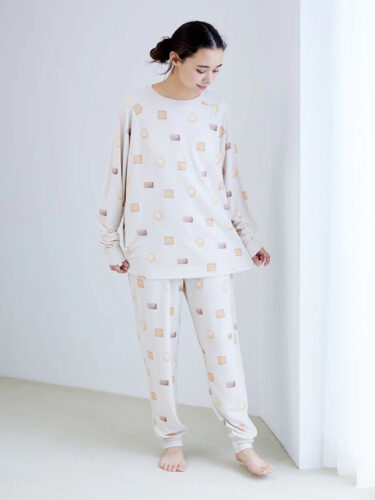
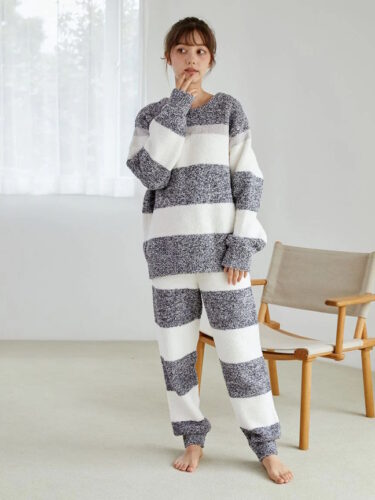
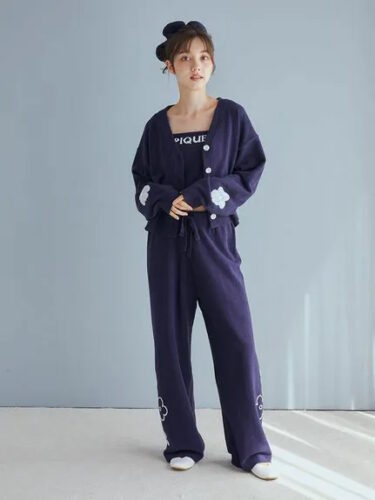
You’re sitting in your pajamas right now, maybe reading this while working from home, or perhaps you just put them on for bed.
It’s easy to take pajamas for granted. They’re comfortable. They’re convenient. You don’t think much about where they came from or why they exist.
But the history of pajamas is surprisingly fascinating. These pieces of clothing traveled across continents, changed cultures, transformed from public daywear to private sleepwear, and are now making a comeback as legitimate workwear.
Understanding where your pajamas come from changes how you think about them. They’re not just lazy clothing. They’re the result of centuries of cultural exchange, fashion evolution, and the human desire for comfort.
QUICK FACTS
- Original Purpose: Daily clothing for men and women in South Asia
- Where They Started: India
- When They Became Sleepwear: Early 1900s
- Current Statistic: 74% of Americans wear pajamas to bed
- Modern Trend: Many now wear PJs as workwear while working from home
- Most Popular Materials: Cotton, silk, bamboo viscose, flannel
WHAT ARE PAJAMAS TODAY?
In their current form, pajamas are comfortable sets of nightwear consisting of pants or shorts paired with a matching top. Simple enough.
But comfort is key. Pajamas can be made from any material that feels good against your skin: cotton, silk, flannel, bamboo viscose, or other breathable fabrics. The material matters because it determines how you sleep, how your body regulates temperature, and how long the pajamas last.
Modern pajamas prioritize comfort above all else. That wasn’t always the case.
WHERE PAJAMAS ORIGINALLY CAME FROM
This is where the story gets interesting.
Pajamas didn’t start as sleepwear. They started as everyday clothing worn by men and women in South Asia, specifically India. In that context, the word “pajama” (from the Persian “pāy-jāma,” meaning leg garment) referred to comfortable pants that tied at the waist.
These weren’t bedroom clothes. These were public clothes. Both men and women wore them as part of their daily dress in India and other South Asian countries before the 1600s. They were practical, comfortable, and culturally appropriate.
Then European traders and colonizers encountered them.
HOW PAJAMAS WENT GLOBAL
In the 1600s, a French traveler named Jean de Thevenot mentioned in his travelogue that Portuguese traders wore pajamas when going to bed. This marks one of the earliest known European references to the garment.
The British colonial forces stationed in India fell in love with the comfort of these pants. They brought them back to England, where merchants began selling them as fashionable loungewear. Merchants called them “mogul’s breeches,” marketing them as exotic, comfortable fashion items for the wealthy.
By the 1870s, pajamas became increasingly popular as loungewear for wealthy British gentlemen. They weren’t quite sleepwear yet, they were more like at-home clothing worn in private spaces.
The transformation was happening, though. Comfort was becoming fashionable.
THE EVOLUTION INTO SLEEPWEAR (EARLY 1900S)
Around the early 1900s, pajamas evolved into what we recognize today: matching pants and tops designed specifically for sleeping.
This was a significant shift. Pajamas went from being casual loungewear to dedicated sleepwear. The design became more refined, with bottoms and tops that matched and complemented each other.
For men, this transition happened relatively quickly. By the early 1900s, wearing pajamas to bed became increasingly common among middle and upper-class men, replacing nightshirts as the preferred sleepwear.
Women took a bit longer to adopt them.
PAJAMAS BECOME FASHIONABLE (1930S-MID 20TH CENTURY)
The 1930s marked a turning point. Women in the Western world began wearing pajamas too.
But here’s the interesting part: Hollywood played a huge role. Movie stars began wearing pajamas, and suddenly they weren’t just comfortable sleepwear, they were high fashion. Glamorous women wore luxurious pajamas, sometimes in public or for photographs.
Pajamas became aspirational. If a Hollywood star wore them, everyone wanted them.
Throughout the mid-20th century, pajamas remained popular but stayed primarily in the bedroom. They were what you wore to sleep, and that was that. Some people wore them for special occasions or luxury lounging at home, but they weren’t something you’d wear out in public.
That taboo slowly began to shift, though no one knew it yet.
PAJAMAS RE-ENTER PUBLIC SPACES (EARLY 2000S)
Something interesting started happening in the early 2000s. Pajama pants started appearing in public.
People wore them to run errands, to class, to casual outings. What had been private sleepwear was moving back into public consciousness, but now with a casual, relaxed connotation. Wearing pajamas out was seen as laid-back and comfortable, not fashionable, but acceptable.
This was the beginning of a cultural shift toward valuing comfort over strict dress codes.
THE PAJAMA REVOLUTION (2020S AND BEYOND)
Then the pandemic happened.
Millions of people transitioned to working from home. Suddenly, pajamas weren’t just for sleeping. They were workwear. People attended virtual meetings in pajamas. They spent their entire day in comfortable clothing instead of business attire.
And here’s what happened: they realized they preferred it.
The pandemic normalized something that had been building for years: comfort as a legitimate priority. Pajamas shifted from being “lazy clothing” to being practical, sensible workwear.
Today, 74% of Americans wear pajamas to bed. But increasingly, many are wearing them all day. Working from home in comfortable pajamas has become normalized in ways it never was before.
Pajamas have completed a remarkable journey: from everyday public clothing in South Asia, to exotic loungewear in Europe, to private sleepwear, to Hollywood fashion statement, to public casual wear, to legitimate workwear. They’ve come full circle, essentially, in their comfort and acceptability.
THE PAJAMA TIMELINE

WHY THIS HISTORY MATTERS
Understanding where pajamas come from helps you appreciate what they represent: centuries of people valuing comfort.
When you put on pajamas, you’re wearing something with a genuinely global history. You’re wearing clothing that traveled across continents, influenced fashion, and ultimately reflected humanity’s deep need for comfort.
That’s not something to take for granted.
MODERN PAJAMAS: MATERIALS AND COMFORT
Today’s pajamas come in countless materials, and the choice matters.
Cotton pajamas are classic and breathable. Silk pajamas are luxurious and smooth. Flannel pajamas are cozy and warm. And bamboo pajamas offer a unique combination of breathability, moisture-wicking, and thermoregulation, making them ideal for people who want comfort in any season.
The material determines how your body regulates temperature at night, how the fabric feels against your skin, and how long the pajamas last. In the context of pajamas’ history, where comfort has always been the driving force, choosing high-quality materials makes sense.
Your pajamas should reflect the same comfort-first philosophy that drove their creation centuries ago.
PAJAMAS FOR EVERY OCCASION
While most people think of pajamas as sleepwear, modern pajamas serve multiple purposes.
They’re sleepwear for rest and recovery. They’re loungewear for relaxing at home. They’re workwear for remote workers. And for special occasions, they’re even considered fancy. Luxury bridal pajamas are a popular choice for the night before a wedding: comfortable, elegant, and practical for looking good while staying comfortable.
The versatility of pajamas reflects how far they’ve come from simple South Asian drawstring pants. They’re now a wardrobe staple that serves different purposes for different people.
HONORING THE HISTORY
The next time you put on pajamas, remember their journey.
You’re wearing something created by people who valued comfort enough to wear it in public. You’re wearing clothing influenced by centuries of cultural exchange. You’re participating in a tradition that spans continents and centuries.
Whether you sleep in them, work in them, or lounge in them, your pajamas represent humanity’s enduring commitment to comfort. That’s worth appreciating.
For quality pajamas that honor this history of comfort, visit Cozy Earth and discover sleepwear designed for the modern comfort revolution.
FREQUENTLY ASKED QUESTIONS
Q: Why were pajamas originally called “mogul’s breeches”?
A: Colonial British merchants used this name to market them as exotic, luxurious items inspired by Indian royalty (“mogul” referring to the Mughal Empire).
Q: When did pajamas become popular for women?
A: The 1930s, largely influenced by Hollywood actresses who wore them and made them fashionable.
Q: Are pajamas different from loungewear?
A: Technically, loungewear is a broader category that includes pajamas, but pajamas specifically refer to matching pants and tops designed for sleeping.
Q: Why did pajamas become workwear?
A: The shift to remote work during the pandemic normalized wearing comfortable clothing while working. People realized comfort didn’t compromise productivity.
Q: What material is best for pajamas?
A: It depends on your needs. Cotton is classic, silk is luxurious, flannel is warm, and bamboo viscose offers excellent temperature regulation and moisture-wicking.
Q: Are there different pajama styles?
A: Yes. Some are button-up tops with pants, some are pullover tops, some have shorts instead of pants, and some are more fitted while others are loose and relaxed.
Q: Why did it take so long for pajamas to become acceptable as public wear?
A: Cultural norms around appropriate public clothing were strict. It took the casual culture of the 2000s and the normalization of remote work to shift attitudes about comfort.