 Something weird happened. Everyone decided looking professionally disheveled was the new normal. Hoodies at investor meetings. Sweatpants on flights. The entire concept of “dressing up” supposedly became obsolete. But tailored clothing didn’t disappear, it just stopped apologizing for existing.
Men didn’t abandon suits because they were outdated, they abandoned bad suits because they finally had options. The stiff, boxy, uncomfortable garbage that made you feel like you were wearing cardboard? That deserved to die. But a well-cut blazer that fits and moves with you? Completely different thing.
The Rules That Quietly Died
Traditional suiting was genuinely oppressive. Navy or charcoal only, never brown. Ties weren’t optional. Pocket squares folded in specific approved ways like some corporate origami ritual. The whole system felt designed to strip personality rather than express it.
Modern tailoring just started ignoring these rules until they became irrelevant. Designers kept the craft, the precision, the quality construction, but ditched the suffocating formality. Now you see blazers that actually let you breathe, trousers that move naturally, fabrics that feel good instead of trapping heat. You can wear a beautifully made jacket over a faded t-shirt and it works because the jacket carries enough weight to elevate everything around it.
Italian fashion houses figured this out faster, probably because they never fully bought into the Anglo-American corporate uniform concept. Versace’s men’s designer blazers and tailored suits demonstrate this evolution, pieces built with traditional techniques but designed for guys who grab coffee, catch flights, and meet friends all in the same outfit. Not because they’re lazy, but because the clothing works across contexts without looking wrong anywhere.
Why Fit Suddenly Matters More
Here’s the irony: as casualwear conquered everything, the bar for formal pieces actually rose. When everyone wore suits by default, a mediocre one could hide. Now a poorly fitted blazer stands out immediately, not charming, just noticeably wrong.
The margins got tighter. Shoulders need to hit exactly where your shoulders end. Sleeve length can’t be approximate. Trousers need to taper without bunching. These details determine whether you look intentional or accidental, with no middle ground.
Fabric quality became impossible to hide too. Cheap material announces itself through how it moves and wrinkles. Premium fabrics respond to your body instead of fighting it, they drape naturally, recover from creasing, adapt to temperature. Once you’ve experienced both, the difference is undeniable.

What Actually Changed
The old categories collapsed. Work clothes versus weekend clothes, formal versus casual, these divisions stopped making sense. A well-cut blazer works at Tuesday meetings and Saturday dinners. The same jacket looks sharp with matching trousers or works over jeans. The garments didn’t lose formality, the situations became more fluid.
There’s real psychology behind proper fit. When nothing pulls or bunches, your posture improves, your stride lengthens, you make better eye contact. It’s not vanity, it’s removing obstacles. Bad clothing creates constant irritation that shows as insecurity. Good clothing disappears from awareness, freeing mental energy for everything else.
Quality reveals itself through time. A decent suit might look fine initially, but months later the fabric pills and seams pucker. Premium pieces improve through wear, fabric molds to your body, natural creasing appears logically, the garment develops character instead of deteriorating. The math works when you think past immediate price tags.
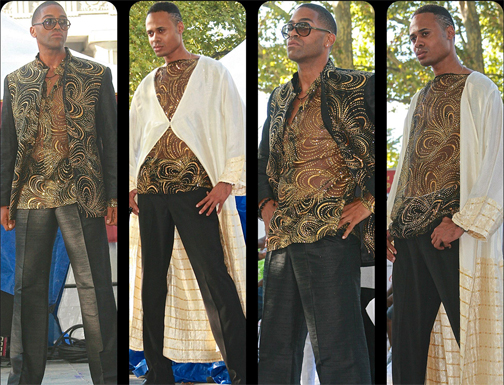 Dallas-based designer Baqash Wilson will make his first appearance at Couture Fashion Week New York with the presentation of his latest menswear collection for his Konjo International label. The fashion show will be held at 8:00 pm on Friday February 13, 2015 in the Broadway Ballroom of the Crowne Plaza Times Square Manhattan, in the heart of the city.