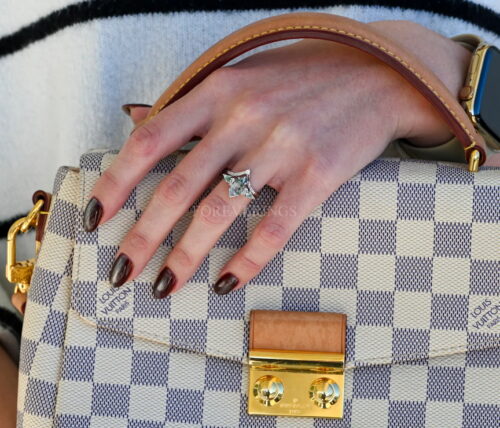
A promise ring occupies a distinctive place in the world of meaningful jewelry. Unlike an engagement ring, which typically carries an established expectation of marriage, a promise ring allows two people to define commitment according to their own circumstances. It can represent loyalty, emotional security, a shared future, or the decision to invest in a relationship without following a conventional timeline. For many couples, that flexibility is precisely what makes the gesture appealing. The ring becomes less about meeting external expectations and more about expressing something that matters within the relationship.
Yet choosing a promise ring for her is not necessarily simple. Traditional jewelry conventions offer familiar options, including diamonds, polished gold bands, and recognizable romantic motifs. Those designs may be appropriate for some women, but they do not always reflect individual tastes or the character of a particular relationship. A more personal approach requires attention to lifestyle, design preferences, emotional significance, and the practical realities of wearing jewelry regularly. The most meaningful choice is often the one that communicates understanding rather than expense or adherence to tradition.
The Changing Meaning of Promise Rings in Modern Relationships
Promise rings have long been associated with romantic devotion, but their contemporary significance is considerably broader. Some couples exchange them as an expression of exclusivity, while others use them to acknowledge a relationship that has already developed considerable emotional depth. A ring may commemorate a period of long-distance commitment, celebrate the decision to build a shared life, or mark an anniversary that feels especially significant. The gesture does not have to imply an immediate engagement or even a predetermined relationship milestone. Its meaning depends on the understanding established between the people involved. That freedom makes promise rings particularly relevant to relationships that do not follow conventional expectations.
Traditional jewelry customs often rely on relatively fixed symbolism, with specific rings representing specific stages of commitment. Modern relationships, however, frequently develop according to more individualized circumstances. Financial priorities, career decisions, education, geographic distance, and personal beliefs can influence when or whether couples choose to marry. A promise ring can acknowledge serious intentions without requiring those decisions to be settled immediately. It provides a tangible expression of commitment while leaving room for the relationship to develop naturally. This distinction matters because emotional significance does not always correspond to a formal milestone.
The growing appeal of personalized jewelry also reflects a broader interest in objects that communicate individual identity. A woman who favors understated accessories may feel more connected to a delicate band than to a prominent gemstone setting. Someone with an unconventional sense of style may prefer textured metal, asymmetrical details, or an unexpected stone color. Others may value a design that refers to a meaningful experience rather than a recognizable romantic symbol. These preferences suggest that selecting a promise ring requires more than understanding traditional jewelry categories. It requires recognizing how the recipient expresses herself and what commitment means to her.
Why Personal Meaning Should Take Priority Over Traditional Design
The central challenge in choosing a promise ring is distinguishing between a design that looks romantic and one that feels personally meaningful. Traditional symbols such as hearts, infinity motifs, and brilliant-cut stones can communicate affection, but their familiarity does not guarantee emotional relevance. A ring featuring an unusual setting may be more meaningful if it reflects the recipient’s creative personality. Similarly, a plain band may carry considerable significance when its simplicity corresponds with her everyday style. The objective is not to reject traditional jewelry automatically. It is to determine whether a particular convention genuinely reflects the person receiving the ring.
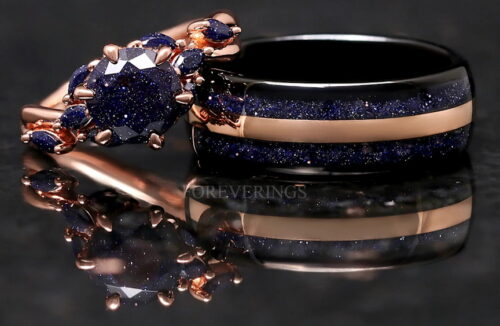
The shift toward more individual expressions of commitment is also changing how couples approach jewelry selection. Rather than relying exclusively on conventional solitaire settings or identical bands, partners can explore designs that acknowledge both their connection and distinct preferences. As these expectations evolve, specialized jewelry retailers are offering more flexible ways to represent meaningful relationships. Within this space, Foreverings, a jewelry retailer specializing in distinctive relationship rings, offers unconventional designs alongside engagement rings and wedding bands. Its selection of matching designs for meaningful promises allows couples to explore pieces that symbolize a shared bond, while its symbolic rings reflecting her personal style provide room for individual expression. Both approaches illustrate how relationship jewelry can move beyond rigid design expectations without losing its emotional significance. Ultimately, the chosen design should reflect the people involved rather than simply reproduce a familiar romantic convention.
Personal meaning can also emerge from details that are not immediately visible to others. An engraving might reference a phrase exchanged during an important conversation, a date associated with a meaningful decision, or the coordinates of a place connected to the relationship. A gemstone might reflect her favorite color rather than a traditional birthstone or diamond preference. The ring’s shape could echo an architectural detail, natural form, or artistic style she finds appealing. Such decisions create a private layer of significance that exists independently of the jewelry’s appearance. When these details are chosen thoughtfully, the ring becomes an expression of familiarity and shared experience rather than a generic romantic accessory.
Understanding Her Personal Style Before Choosing a Ring
Choosing jewelry for another person involves interpreting preferences that may not have been explicitly discussed. The most useful information often comes from observing what she already wears rather than imagining what a romantic gift should look like. A woman who consistently chooses silver-toned accessories may be less interested in a yellow-gold ring, regardless of its design. Someone who wears thin, understated pieces may find a substantial band uncomfortable or visually overwhelming. Conversely, a recipient who enjoys bold fashion may appreciate an unusual gemstone or sculptural silhouette. Paying attention to established habits can prevent a well intentioned purchase from becoming an item that rarely leaves the jewelry box.
Personal style extends beyond jewelry into clothing, accessories, and broader aesthetic preferences. A woman who favors clean lines, neutral colors, and minimal decoration may appreciate a slim bezel-set stone or a polished band with subtle detailing. Someone drawn to vintage clothing and antique furniture might prefer intricate metalwork, milgrain edges, or a setting inspired by earlier design periods. An individual who enjoys contemporary fashion may be more receptive to geometric shapes, mixed metals, or unconventional stone arrangements. These connections are not rigid rules, but they offer useful indications of what may feel natural to the recipient. The goal is to understand the visual language she already uses to express herself.
Lifestyle deserves equal consideration because a beautiful ring can become impractical if it conflicts with daily activities. Women who work with their hands, participate in sports, or frequently wear protective gloves may prefer low-profile settings that are less likely to catch on clothing or equipment. Those who routinely wear several rings may appreciate a design that can stack comfortably with existing pieces. Metal sensitivity, maintenance expectations, and preferred ring width can also influence satisfaction over time. A delicate setting may appear attractive in photographs but require more care than the recipient wants to provide. A thoughtful selection balances aesthetic appeal with the practical experience of wearing the ring.
Choosing Gemstones and Metals That Reflect Individuality
Gemstones can provide one of the most expressive elements of a promise ring, particularly when the choice extends beyond the conventional diamond. Sapphires, for example, are available in several colors and offer strong durability for everyday jewelry. Rubies can make a striking statement for someone who favors warm colors, while certain spinels provide a wide variety of shades and attractive optical qualities. Morganite and aquamarine appeal to those who appreciate softer tones, although their suitability depends on setting design and expected wear. Even a small gemstone can establish a distinctive identity when its color has personal significance. The relevant question is not simply which stone is considered most romantic, but which one she would enjoy seeing on her hand.
Metal selection can be equally important because it affects appearance, maintenance, durability, and cost. Yellow gold offers warmth and a familiar appearance, while white gold creates a cooler look that pairs easily with many modern designs. Rose gold provides a subtle pink tone, although its color intensity varies according to the alloy composition. Platinum is dense and naturally white, making it appealing for those who prioritize long-term wear and prefer a substantial feel. Sterling silver can provide a more accessible price point, but it generally requires greater attention to tarnishing and surface wear. Each material introduces practical trade-offs, making the recipient’s preferences and habits more useful than assumptions about prestige.
The interaction between gemstone and metal also determines whether a ring feels cohesive. A deep blue sapphire set in yellow gold creates a different impression from the same stone surrounded by white metal. A pale gemstone may appear delicate in a fine setting, while a wider band can give it a more contemporary character. Those seeking a minimalist design might consider a small flush-set stone that does not interrupt the band’s surface. Others may prefer an east-west setting, which positions an elongated gemstone horizontally rather than vertically. Considering these combinations helps transform individual material choices into a design that feels deliberate and personal.
Exploring Ring Designs Beyond Conventional Romantic Symbols
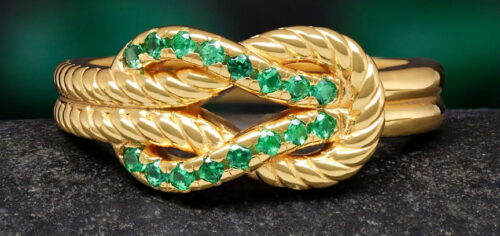
A promise ring does not need a prominent centerpiece to make a meaningful impression. Band-focused designs can be particularly appealing to women who prefer jewelry that integrates easily into everyday life. A gently curved band, an irregular surface, or a subtle braided pattern can provide visual interest without relying on a familiar romantic motif. Hammered finishes introduce texture, while brushed surfaces create a quieter alternative to highly polished metal. Some designs incorporate negative space, allowing the shape itself to become the principal decorative element. These approaches can communicate individuality through craftsmanship rather than through a conspicuous symbol.
Asymmetrical designs offer another departure from traditional ring aesthetics. A small gemstone positioned away from the center can create a contemporary appearance without making the piece difficult to wear. Open-band styles, where the ends of the ring do not visually meet, can introduce an architectural quality. Two stones of different sizes may suggest balance between distinct personalities without requiring a literal representation of two people. Organic shapes inspired by leaves, waves, or natural contours can be meaningful for someone who feels connected to the outdoors. Such designs allow the ring’s significance to emerge through personal interpretation rather than a prescribed romantic message.
Vintage-inspired and custom-designed rings also provide opportunities to move beyond standardized offerings. Antique-style settings can appeal to someone who values history, decorative craftsmanship, or objects with distinctive character. Customization may involve selecting a particular gemstone, changing the band profile, or adjusting the proportions of an existing design. More extensive commissions can incorporate references to shared memories or interests, although they generally require additional planning and careful communication with the jeweler. It is important to distinguish between meaningful customization and decorative complexity for its own sake. A ring becomes more personal when each design decision has a reason, not merely because it includes more unusual features.
Making the Ring Symbolic of a Shared Experience
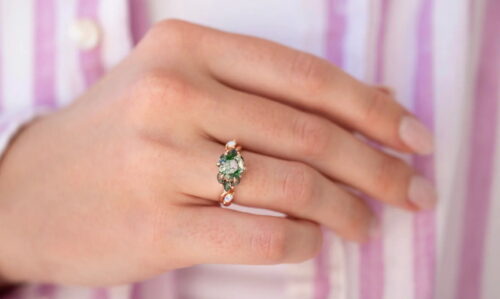
The most emotionally resonant promise rings often connect to experiences that the couple recognizes as important. A relationship shaped by travel might be represented through a subtle engraving of geographic coordinates or a design inspired by a memorable destination. Couples who first connected through music, literature, or art may choose a motif that refers discreetly to that shared interest. A stone color might recall a meaningful setting, such as the ocean during a significant trip or the landscape of a place they frequently visit. These references need not be obvious to anyone else. Their importance comes from the story they preserve for the people involved.
Shared experiences can also help determine whether matching or complementary rings are appropriate. Some couples prefer identical bands because the symmetry reinforces their sense of partnership. Others find that two different designs in the same metal or with a shared engraving better represent their individual personalities. Complementary rings can communicate connection without requiring either person to compromise their aesthetic preferences. This approach may be especially suitable when partners have markedly different tastes or lifestyles. The most successful pairing creates a recognizable relationship between the pieces without making them feel interchangeable.
A ring can also commemorate an achievement or a difficult period that strengthened the relationship. Perhaps the couple maintained their connection through extended separation, supported one another during a demanding transition, or reached a major personal milestone together. A design chosen to acknowledge that experience can carry meaning far beyond its materials. However, symbolism should remain connected to positive intentions rather than becoming a reminder of obligation or pressure. The ring should recognize a commitment both people have chosen to make. When its story is grounded in mutual understanding, it can retain significance even as the relationship changes over time.
Balancing Emotional Significance With Budget and Quality
A promise ring’s value should not be measured solely by the amount spent on it. Unlike engagement rings, which are sometimes associated with established spending expectations, promise rings provide considerable flexibility in price and design. This allows buyers to prioritize details that matter to the recipient rather than selecting the most expensive option within reach. A modest ring with a meaningful engraving may create a stronger emotional response than a costly piece that does not suit her taste. At the same time, affordability should not come at the expense of basic construction quality. The practical goal is to purchase a ring that can be worn comfortably and maintained without unreasonable difficulty.
Understanding jewelry specifications helps buyers make informed decisions at different price points. Gold purity, for instance, influences the metal’s composition, with 14-karat gold containing a higher proportion of alloying metals than 18-karat gold. The resulting differences in hardness, color, and wear characteristics may matter more than purity alone for some recipients. Gemstone durability should also be evaluated according to hardness, toughness, and setting protection rather than appearance alone. Delicate prongs, extremely thin bands, and exposed stones can require greater care, especially with frequent wear. Asking about metal composition, construction, warranties, and repair policies can reveal more about a ring’s long-term suitability than its promotional description.
Responsible budgeting also involves considering expenses beyond the initial purchase. Ring resizing, routine cleaning, periodic inspections, and possible repairs can add to the cost of ownership. Some materials and settings are easier to service than others, so maintenance expectations should be understood before making a decision. Buyers should also review return policies, particularly when purchasing online or ordering personalized jewelry that may not qualify for standard returns. Selecting a reputable seller with transparent product information reduces uncertainty. Ultimately, a financially comfortable purchase can support the intention behind the gift by keeping the gesture associated with affection rather than unnecessary financial strain.
Deciding When and How to Give a Promise Ring
The moment a promise ring is presented can influence how its meaning is understood. An elaborate surprise may seem romantic, but it can also create unintended expectations if the recipient has not discussed the idea of a promise ring. Some women may interpret the gesture as a step toward engagement, while others may see it as an expression of present commitment without a specific timeline. For that reason, couples benefit from discussing their intentions before treating the ring as a major relationship milestone. The conversation does not have to reveal every detail of the planned gift. It simply needs to establish enough shared understanding to prevent confusion about what the ring represents.
The presentation itself can be understated and still feel memorable. A quiet evening at a familiar location may be more appropriate than a public occasion, particularly for someone who dislikes being the center of attention. A handwritten note can explain why the particular design was chosen and which experiences it represents. The ring might be given on an anniversary, before an extended separation, or during a meaningful personal celebration. None of these occasions is inherently superior to an ordinary day selected for its emotional relevance. What matters is that the setting reflects the recipient’s comfort and the character of the relationship.
Words accompanying the gift should be as thoughtfully considered as the ring. Broad statements about everlasting commitment may sound impressive, but they can feel impersonal if they do not reflect the couple’s actual circumstances. A more meaningful explanation might acknowledge how the relationship has developed, what the giver appreciates about the recipient, and the commitment being made in the present. Specificity makes the gesture feel sincere without requiring a dramatic declaration. It also provides an opportunity to clarify whether the ring symbolizes exclusivity, continued partnership, or future intentions. A promise ring is most effective when the verbal promise and the physical symbol communicate the same message.
Understanding Ring Size, Comfort, and Everyday Wearability
A ring that fits poorly can quickly lose its appeal, regardless of its symbolic significance. Rings that are too tight may become uncomfortable during warmer weather or periods of temporary finger swelling. Loose rings present a different problem because they can rotate excessively or slip off during ordinary activities. Finger size can vary throughout the day, making a single casual measurement less reliable than several measurements taken under normal conditions. The width of the band also influences fit, with wider bands sometimes requiring a different size than narrow designs. Accurate sizing is therefore an essential part of selecting a ring intended for regular wear.
Obtaining the correct measurement can require additional care when the purchase is intended as a surprise. An existing ring may provide a useful reference, but only if it is worn on the same finger and fits comfortably. Different fingers and hands can have noticeably different measurements, so assumptions based on another ring may lead to errors. A professional jewelry sizing service offers greater precision than informal methods, especially for unusual band profiles. Buyers should also establish whether the selected design can be resized after purchase. Full eternity bands, certain intricate patterns, and some alternative-metal rings may have limited resizing options.
Everyday comfort involves more than numerical size. The interior profile of a band can affect how it feels against the skin, particularly for someone who is not accustomed to wearing rings. Rounded interiors may provide a smoother sensation, while sharp decorative elements can create irritation or catch on fabric. Stone height and prong placement should also be assessed, especially for recipients with active routines. Choosing a design with secure construction and manageable maintenance requirements increases the likelihood that it will become part of her daily wardrobe. Wearability is not separate from emotional value, because a ring that feels comfortable is more likely to remain a consistent reminder of its meaning.
Creating a Lasting Symbol Without Defining the Relationship Through Tradition
One of the greatest advantages of a promise ring is its ability to acknowledge commitment without imposing a fixed narrative about the future. The ring can represent a serious relationship while allowing both partners to make decisions about marriage, careers, and shared responsibilities at their own pace. This flexibility is particularly valuable when circumstances make conventional relationship milestones impractical or undesirable. However, flexibility should not be confused with ambiguity about personal intentions. Both partners should understand what has been promised, even if the promise does not involve a predetermined next step. Clear communication gives the symbol emotional substance.
A well-chosen promise ring may also remain meaningful long after the occasion on which it was given. Some women continue wearing their promise rings alongside engagement or wedding jewelry, while others move them to a different finger or preserve them as keepsakes. A versatile design can make these transitions easier, particularly when it complements other jewelry rather than closely imitating a traditional engagement ring. Durability, simplicity, and personal significance can help the piece remain relevant as preferences and circumstances evolve. Nevertheless, a ring does not need to be worn indefinitely to justify its original importance. Its value can reside in the period of life and shared intentions it commemorates.
Ultimately, choosing a promise ring for her requires a different mindset from following an established jewelry convention. The process begins with understanding the recipient’s tastes, continues through thoughtful material and design choices, and concludes with a clear expression of personal commitment. The most memorable rings are not necessarily those with the largest gemstones or the most elaborate settings. They are the pieces that communicate familiarity, respect, and attention to what makes a relationship distinct. A ring chosen with that level of care becomes more than a decorative object. It becomes a personal symbol whose meaning belongs to the two people who understand its story.