
Picking the proper clothing size for kids can feel a bit confusing for parents, especially at young ages. Children seem to grow so fast that it can be hard to guess what will actually fit, and having outfits that stay comfortable while leaving a little extra space for motion is pretty essential. When you understand the differences between a boy’s size chart vs a girl’s size chart, shopping becomes way less stressful, and it can truly help kids feel comfortable and sure about what they’re wearing.
Understanding Boys and Girls Clothing Sizes
Even though little kids are pretty much alike when you look at their body measurements, their overall size can start to veer off as they get older. Boys’ clothes tend to use a loose fit, like wide shoulders, and generally they are made to sit in a more relaxed way. Girls’ clothes, on the other hand, tend to be more fitted, tailored, and feature particular proportions depending on the style.
Manufacturers use specific measurement standards to create clothing. These standards usually include:
- Height
- Chest measurement
- Waist measurement
- Hip measurement
- Weight range
When you compare your child’s measurements to a size chart for boys, or a girls’ size chart, you can nail the most accurate fit, rather than just going off the age label.
Using a Size Chart for Boys
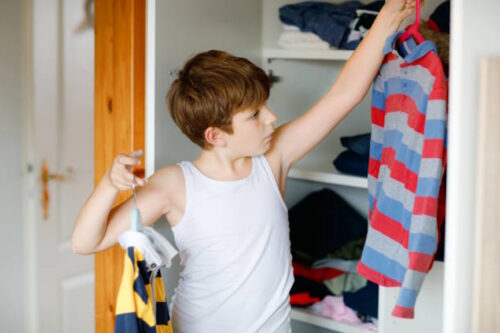
A size chart for boys helps parents pick clothes using real body measurements, not just guessing by age ranges. Boys can go through growth spurts at different times or speeds, so sizing by what’s measured on them tends to be much more accurate. In other words, it’s less about the number of years and more about the correct fit.
When reviewing a size chart for boys, pay attention to:
- Height range
- Chest size
- Waist size
- Weight recommendations
If your child happens to fall between two sizes, choosing the larger one will result in more comfort as well as growth space.
Boys who engage in sports activities and enjoy going outdoors will feel more comfortable with slightly loose-fitting clothes.
Using a Girls’ Size Chart

A girls size chart works similarly by matching clothing sizes to body measurements. Since girls can have different body proportions during growth periods, checking a girls size chart helps ensure a better fit.
When using a girls’ size chart, focus on:
- Height measurements
- Chest measurements
- Waist measurements
- Hip measurements
Lots of clothing brands have pretty detailed sizing guides, usually aimed at girls, and honestly, it helps to read them carefully. If you compare the measurements step by step, it can reduce the chance of picking the wrong size, even when the tags look similar.
Common Sizing Mistakes Parents Make
1. Buying Only by Age Labels
One of the most common missteps is to pick clothes according to the age tag. Two kids who are the same age can still have really different body measurements, like shoulder width and length, even if the age tag is the same.
2. Overlooking Brand Differences
Brands don’t all follow the same sizing standards. A size 8 in one brand could feel totally different from a size 8 in another, even if it looks almost the same hanging on the rack. That’s why it’s smart to double-check the size chart that’s attached to the boys’ or girls’ listing before buying; it really does matter.
3. Going for Clothes That Are Too Large
Of course, buying clothing that is slightly larger to allow for growth, is quite a good idea. However, when a piece is really big, there will be some issues, and it will not be comfortable, and the look will not be very good either. So there is no problem in having some extra room for growth, but not too much.
Tips for Finding the Perfect Fit
These hints will help you find a proper size.
- Compare the garment with the latest size chart, since sizes can shift around a bit.
- When you shop online, take a moment to read customer reviews; other customers usually mention small practical details you don’t get to see otherwise.
- Consider seasonal layering needs, like how many extra warm layers your child may need, depending on the weather.
- Pick flexible and stretchable fabrics for active children, because movement matters more than you might think.
- And don’t obsess over age labels, prioritize comfort instead for the best fit.
Overall, keeping updated measurements really helps, so the clothes stay wearable and fit properly as children grow and change.
Conclusion
Finding the right clothing size really shouldn’t be a big deal. But if it feels confusing, that is usually because people skip the basics, like learning how to read size charts for boys and girls. When parents understand it, they can make better choices and pick clothing that sits comfortably. Since each child grows a little on their own schedule, it’s smarter to trust the real measurements, and not just go by age.
No matter if you’re buying school clothes, everyday casual outfits, or picking something for a special event, using a reliable size chart for boys and girls can really help you land a better fit, more comfort, and have an easier shopping experience for both parents and kids.